The Canada Digital Adoption Program (CDAP) aims to enhance digital capabilities among Canadian businesses. By providing resources, funding, and training, the initiative supports companies in adopting new technologies, fostering innovation and economic growth across the nation.
Browsing: economic growth
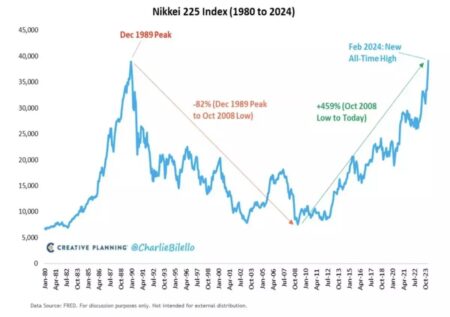
Japan’s inflation rate has slowed more than anticipated, yet remains elevated, prompting speculation about the Bank of Japan’s potential interest rate hikes. Analysts suggest that persistent price pressures may force the central bank to act sooner than expected.
Argentina’s economy is poised for continued growth as negotiations for a new accord with the IMF progress. This potential agreement aims to stabilize economic conditions, fostering investor confidence and addressing ongoing challenges in the nation’s financial landscape.
Brazil’s proposed increase in ethanol blend aims to boost the economy by enhancing energy security and reducing dependence on fossil fuels. This initiative is expected to stimulate agricultural growth and create jobs, positioning Brazil as a leader in renewable energy.
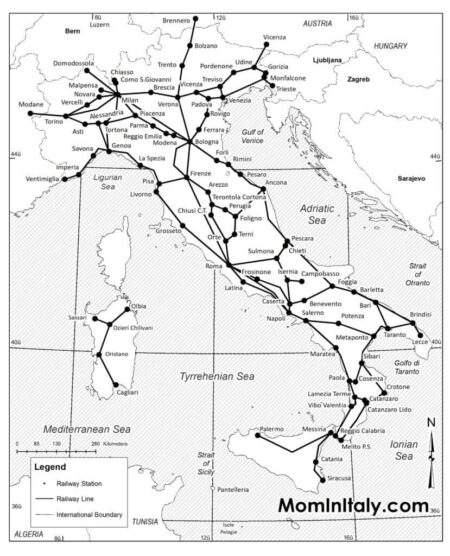
Spain has surged ahead of Italy and Greece in Southern Europe’s vibrant tourism sector, attracting millions of visitors with its rich culture, diverse landscapes, and improved infrastructure. This growth reflects evolving travel trends and enhanced destination appeal.
China’s new plan to boost consumer spending focuses on increasing household incomes, enhancing social security, and promoting digital payment systems. This multifaceted approach aims to stimulate domestic demand and support economic growth amid global uncertainties.
The UK economy showed signs of stagnation in January, highlighting the growing challenges for Shadow Chancellor Rachel Reeves. This downturn raises critical questions about the government’s economic strategy and its impact on future growth.
Brazil’s economy is projected to grow by 3.4% in 2024, driven by robust domestic demand. However, recent indicators of year-end weakness suggest that further interest rate hikes may be limited, prompting analysts to reassess monetary policy outlooks.
Spain’s economy is projected to grow by 2.7% in 2025, driven primarily by strong private consumption, according to the central bank. This optimistic forecast highlights resilience in consumer spending as the country navigates post-pandemic recovery.
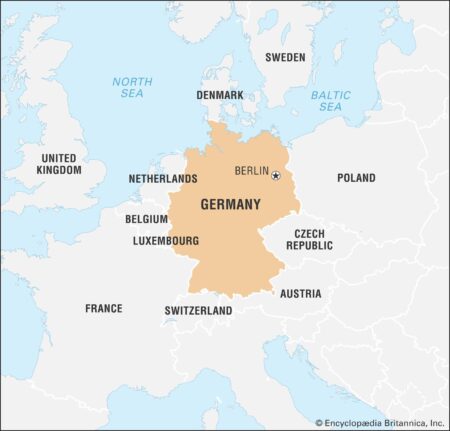
Germany’s shift towards a robust economic model, spurred by increased defense spending and sustainability initiatives, presents unique investment opportunities. Sectors like renewable energy and technology are poised to thrive amid this transformation.
As Germany embraces expansive fiscal policies to stimulate its economy, questions arise about the implications for the Eurozone. Will its robust spending capacity create tensions among member states or lead to a stronger, more unified Europe?
Morocco’s footwear exports to Brazil have surged by an astonishing 3,300%, propelling the North African nation into the top 20 footwear exporters to the South American market. This remarkable growth underscores Morocco’s expanding role in global trade.
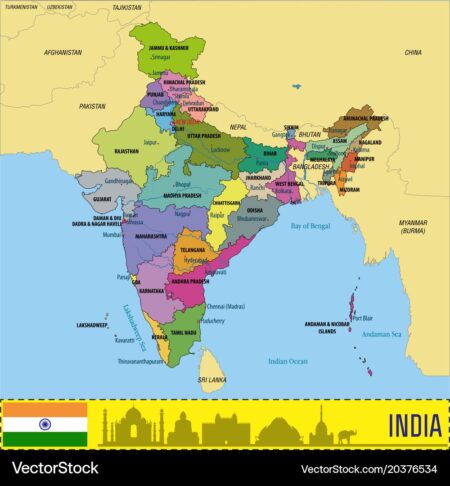
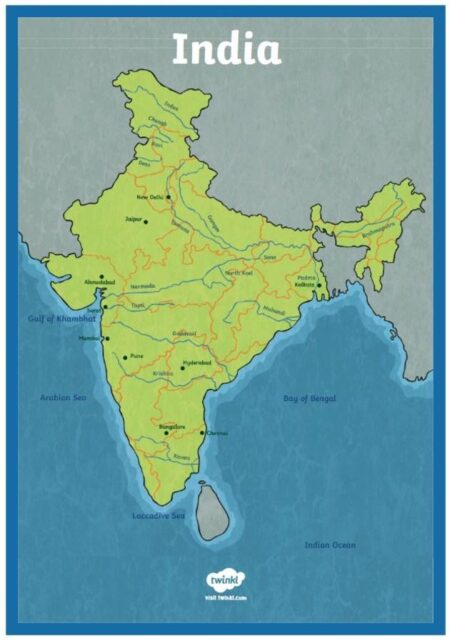
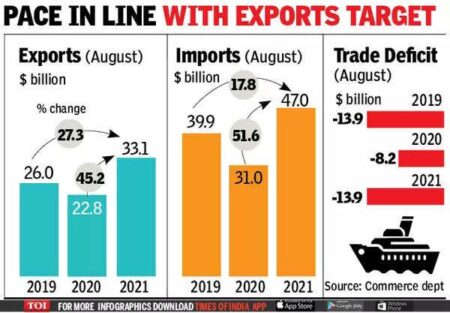
As Trump tariffs reshape global trade dynamics, India stands poised to excel in Asia. With a burgeoning domestic market, a strong manufacturing base, and strategic alliances, India is uniquely positioned to leverage these tensions for economic growth and opportunity.
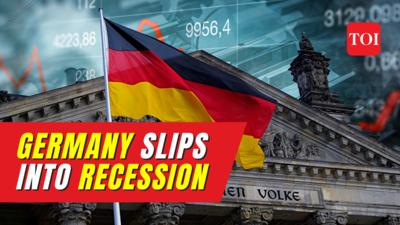
Germany’s recent shift in fiscal policy marks a significant turnaround, as increased spending aims to bolster its economy and strengthen its role within the European Union. This move positions Germany back at the forefront of European decision-making.
The Bundesbank has acknowledged that increased German spending is justified in the current economic climate, yet it cautions that such measures alone will not resolve deeper structural issues. Experts urge a balanced approach to ensure sustainable growth.
In a recent address, Xi Jinping asserted China’s economic strength, emphasizing resilience in the face of global challenges. He reaffirmed the nation’s commitment to its sovereignty, signaling that China will not retreat from its strategic ambitions.
Germany is poised to amend its fiscal rules, allowing for increased public spending amid a planned infrastructure boost. The proposals aim to stimulate economic growth while addressing long-standing deficits, marking a significant shift in fiscal policy.
CNBC’s “Inside India” newsletter analyzes optimism surrounding Indian consumption stocks, anticipating a boost from potential tax cuts. Investors are closely monitoring government policies that could influence market dynamics and consumer spending trends.
Amidst economic uncertainties, Germany’s Finance Minister Christian Merz has initiated a fiscal awakening aimed at revitalizing the nation’s economy. His strategic policies may steer Germany back on track, fostering growth and stability in the Eurozone.
Australia’s GDP growth accelerated by 0.6% quarter-on-quarter in Q4, driven by robust consumer spending and investment. This positive economic trend reflects resilience amid global uncertainties, boosting confidence in the nation’s recovery.