

The Carnegie Endowment warns that leaning on China’s central government balance sheet to cover local government debt could spark financial instability, undermine market discipline, and put immense pressure on the national budget
The Carnegie Endowment warns that leaning on China’s central government balance sheet to cover local government debt could spark financial instability, undermine market discipline, and put immense pressure on the national budget

India has fired back at former President Donald Trump’s recent tariff threat, highlighting that the US still trades with Russia despite imposing sanctions. The Economic Times uncovers rising tensions as global sanctions and trade conflicts heat up

China’s economy is caught in a relentless downward spiral, weighed down by slowing growth, soaring debt, and weakening global demand. Experts warn that this dangerous cycle could destabilize the nation and erode China’s power on the world stage

Japan is ready to lift restrictions on rice production as prices skyrocket amid supply concerns. This bold move aims to stabilize the market and support farmers facing rising demand, marking a significant shift in policy

Adani pledged billions in economic benefits from its Carmichael mine, but to date, it hasn’t paid a single cent in Australian taxes. This raises urgent questions about tax exemptions, corporate structures, and the effectiveness of government oversight
The IMF has granted Argentina a crucial reserve waiver and eased its reserve accumulation target, offering a vital boost to the country as it tackles persistent economic challenges, Buenos Aires Herald reports

South Korea has just sealed a groundbreaking trade agreement with the United States, ushering in an exciting new chapter of economic partnership. Announced by CSIS, this deal promises to supercharge exports, cut tariffs dramatically, and elevate the strategic alliance between these two global giants to unprecedented heights

The Milei government is confident about clinching a tariff agreement with the United States, hoping to strengthen trade relations and spark robust economic growth, Buenos Aires Herald reports. Negotiations are ongoing
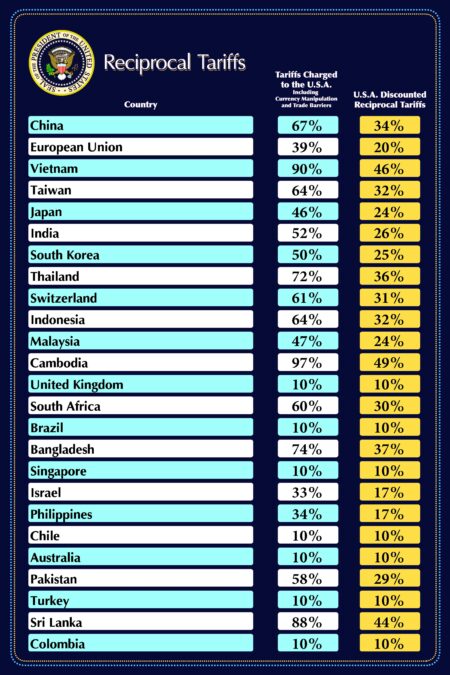
The White House has unveiled bold new plans to revamp reciprocal tariff rates, aiming to enhance trade fairness and empower domestic industries. Stay tuned for exciting updates on the sectors affected and the timeline for implementation!
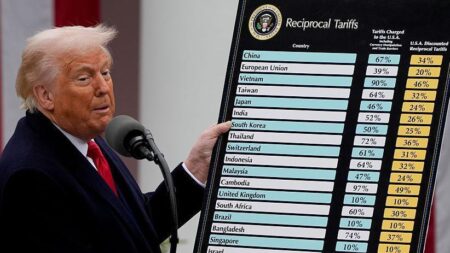
President Trump hits back with new tariffs on imports from India, Brazil, and South Korea as a critical deadline approaches, ramping up trade tensions and raising alarms about the global economy. Get the full story on nbcnews.com
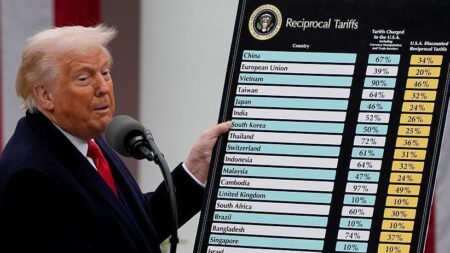
President Trump stuns the market with a staggering 50% tariff on Brazilian imports, accusing them of harming U.S. businesses. This bold action intensifies trade tensions and highlights his fierce dedication to protecting American industries
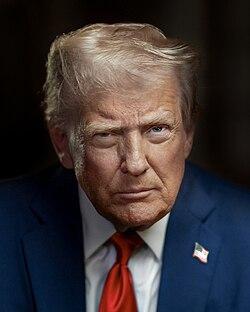
Former President Donald Trump announced that the US and India are deep in negotiations, despite the looming threat of a 25% US tariff. These pivotal talks aim to resolve trade disputes and boost the economic partnership between the two countries
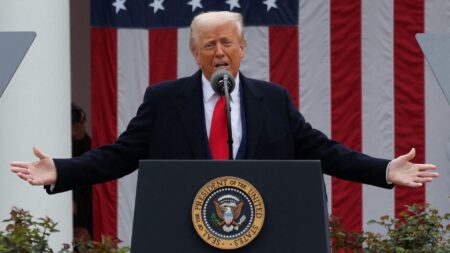
The U.S. has dramatically increased tariffs on Canadian goods from 25% to 35%, highlighting urgent concerns over fentanyl trafficking, Reuters reports. This bold step marks a significant escalation in trade tensions between the two neighboring countries
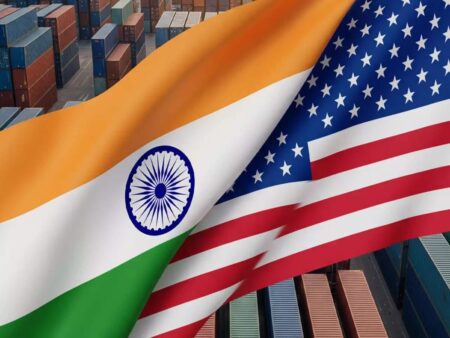
A Trump administration official has highlighted that more negotiations are crucial before finalizing the India-US trade deal. With no agreement in sight yet, discussions are ongoing as both parties strive to resolve key challenges

Exclusive: In a surprising show of unity, US Democrats and Republicans are teaming up to draft bipartisan bills designed to intensify pressure on China. This move is energized by Trump’s renewed push for tougher trade measures, Reuters reports. It marks a rare moment of consensus in Washington’s often divided approach to China policy
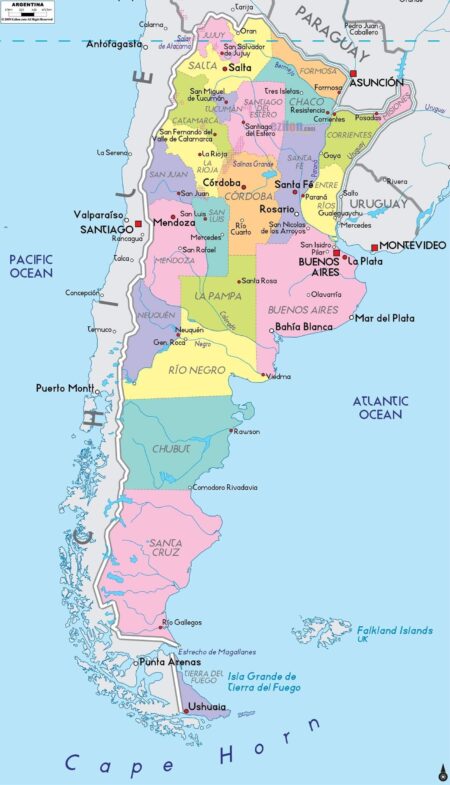
Argentina’s Vice President didn’t hold back, boldly telling Javier Milei to “grow up” in a heated clash over pension reforms. This fiery confrontation highlights the deep political divides as the government battles over critical economic choices

Japan is finally shedding its long-standing resistance to price hikes as inflation rises, signaling a powerful shift in both consumer and corporate mindsets. This change marks an exciting new era for Japan’s economy, long defined by the grip of deflation

China is now offering parents a one-time payment of $1,500 to ignite a baby boom, addressing concerns over a shrinking population and economic challenges. This bold move aims to rejuvenate the workforce and tackle the pressing issues of an aging society
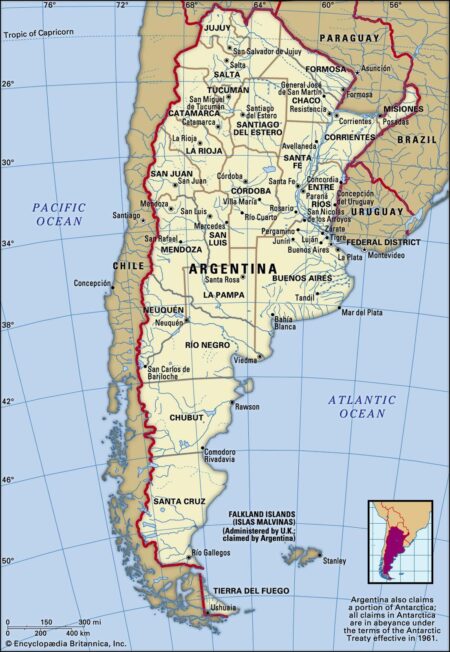
Argentina is gearing up to restart soy exports after the government officially slashed export taxes, the country’s trading chamber revealed. This bold step is designed to boost farmers’ incomes and bring much-needed stability to the agricultural market
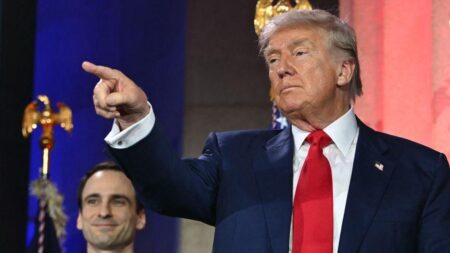
Former President Donald Trump has just unveiled a “massive” new trade agreement with Japan, aimed at turbocharging U.S. exports and strengthening economic ties like never before. Stay tuned for the latest updates on tariffs and the major industries poised to gain!