China’s economy tsar has extended an invitation to the EU’s trade chief to collaborate in countering rising tariff threats. This move underscores the growing concern over trade tensions and the importance of strengthening economic ties between the two regions.
Browsing: economic policy
In a recent analysis, Hungarian conservatives lament the economic disparity between a struggling European Union and a thriving United States. They highlight challenges like inflation and energy crises in Europe, contrasting them with America’s robust growth and innovation.
In a bid to strengthen China’s global standing amidst escalating trade tensions with the U.S., President Xi Jinping urged top executives to champion the nation’s role in upholding an international order based on cooperation and mutual respect.
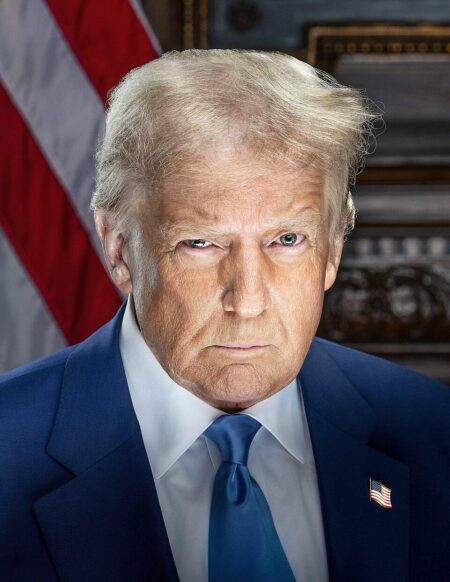
In a strategic move ahead of the anticipated unveiling of fresh tariffs by President Trump, Chinese President Xi Jinping has launched a charm offensive, seeking to strengthen diplomatic ties and showcase China’s global leadership.
Denmark’s Social Democrats have successfully adapted to contemporary challenges by prioritizing pragmatic policies and robust welfare reforms. Their focus on economic responsibility coupled with social equity offers valuable lessons for Germany’s SPD in revitalizing its platform and appeal.
In a recent statement, Deutsche Bank Chairman revealed that Germany received approximately $1 trillion in financial support without cost. This significant figure highlights the country’s economic strategies and the ongoing impact of fiscal policies in Europe.
The UK is in discussions with the US regarding potential car tariffs, with an eye on Tesla subsidies, according to Shadow Chancellor Rachel Reeves. These negotiations may reshape automotive trade dynamics and enhance UK competitiveness in the EV market.
In light of the growing divisions fueled by former President Trump’s policies, the G7 nations are leveraging the “China card” to foster unity. By addressing shared concerns regarding China’s influence, they aim to reinforce collaboration among member states.
Brazil has postponed a proposed tax on big tech companies as negotiations intensify around potential tariffs linked to the Trump administration. Sources indicate that this decision aims to balance its economic strategy amid ongoing international discussions.
UK Shadow Chancellor Rachel Reeves is poised to announce £2 billion in civil service spending cuts as part of the Labour Party’s economic strategy. The move aims to streamline government operations and address budget deficits amid rising public demand for fiscal accountability.
Germany is allocating billions to enhance its military capabilities, marking a pivotal shift in European defense strategy. This significant investment comes amid rising security concerns, as the nation aims to play a crucial role in regional stability.
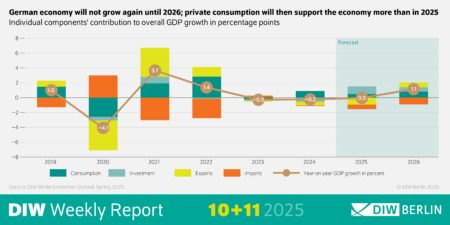
Germany’s recent surge in spending, aimed at bolstering its economy post-pandemic, is raising concerns within the EU. Critics warn that this financial splurge could disrupt budgetary stability across member states, triggering anxiety about fiscal discipline in the bloc.
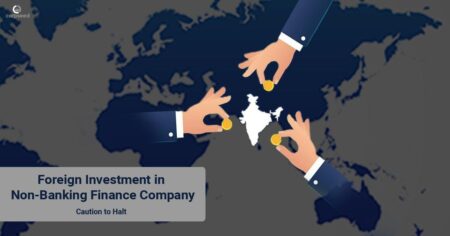
India’s central bank has revised its priority sector lending guidelines to enhance credit accessibility for various sectors, including agriculture and microenterprises. The updates aim to bolster economic growth and support sustainable development across the nation.
German manufacturers are ramping up production in anticipation of new tariffs from the Trump administration. This proactive measure is viewed as a “pleasant surprise” in the industry, reflecting resilience amid global trade tensions.
Javier Milei’s economic policies in Argentina have garnered attention as a potential “inflation miracle,” but analysis indicates that outdated items in the inflation index may skew perceptions of economic recovery. As critics examine the data, the true impact remains uncertain.
In a recent discussion at the Center for Strategic & International Studies, Hiroki Habuka shed light on Japan’s evolving AI policy. He emphasized the need for strategic frameworks that balance innovation with ethical considerations, positioning Japan as a global leader in AI governance.
China’s criticism of the Hutchison deal escalates the stakes for the potential sale of TikTok to US investors. Beijing’s concerns highlight the geopolitical tensions surrounding tech ownership, complicating negotiations and raising questions about future regulations.
In a recent clash of ideals, former President Donald Trump appears to overshadow Argentine libertarian leader Javier Milei in the battle for right-wing populism. Analysts suggest Trump’s robust influence may shape global conservative narratives, potentially sidelining Milei’s unique agenda.
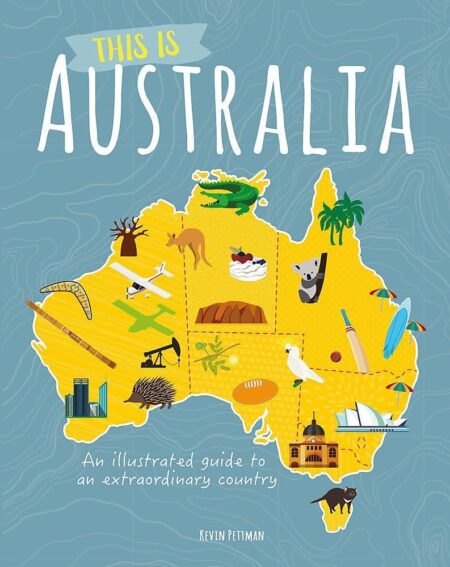
The Australia Institute’s recent analysis of the Australia-U.S. Free Trade Agreement (AUSFTA) reveals growing concerns over its impact on the Australian economy. Initially criticized as a bad deal, new data suggests its drawbacks have intensified, prompting calls for reform.
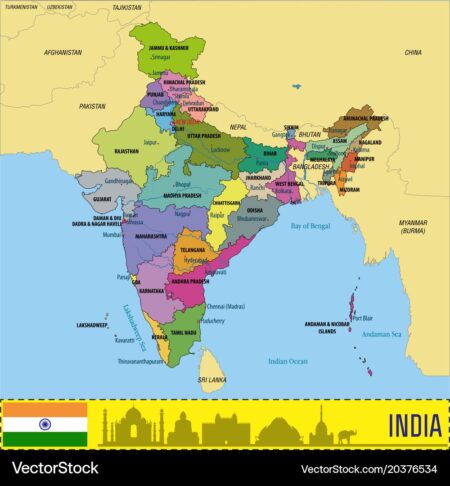
In a recent statement, former President Donald Trump acknowledged a “very good relationship” with India but expressed concerns over trade practices. His comments on tariffs highlight ongoing tensions as both nations navigate complex economic dynamics.