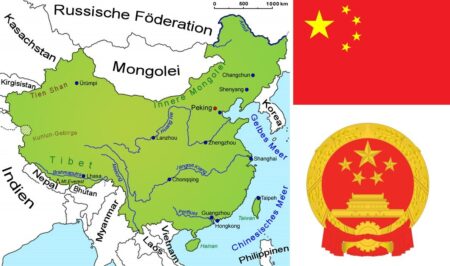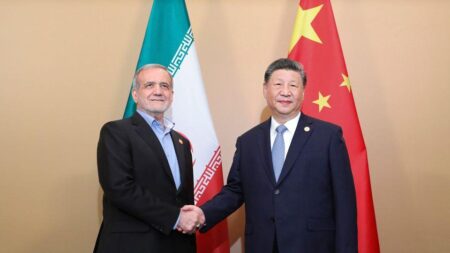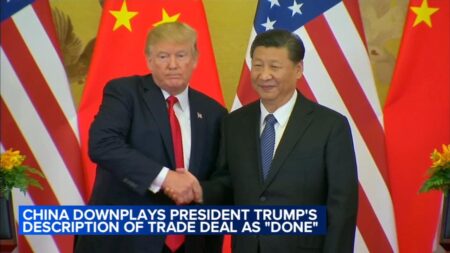
Former President Donald Trump claims that China has “totally violated” the tariff pause agreement, accusing Beijing of breaking its trade commitments. This bold accusation intensifies the already heated US-China trade negotiations, Axios reports
Browsing: economic policy
Japan calls President Trump’s tariffs a “national crisis,” highlighting their devastating impact on its export-driven economy. These measures put critical industries at risk, intensifying tensions in U.S.-Japan trade relations during crucial negotiations
Australia has voiced strong opposition after former President Trump proposed tariffs on Australian goods. Officials caution that these measures could seriously damage the trusted trade relationship between the two countries
Germany has firmly rejected a proposed ceasefire, overturned a recent tariff ruling, and launched efforts to repatriate its gold reserves. These decisive moves highlight a dramatic shift in the country’s economic and geopolitical priorities
Former President Trump slammed China for “totally violating” the US-China tariff agreement, reigniting tensions between the two economic giants, according to a report by Yahoo. Trade relations continue to face challenges amid ongoing disputes
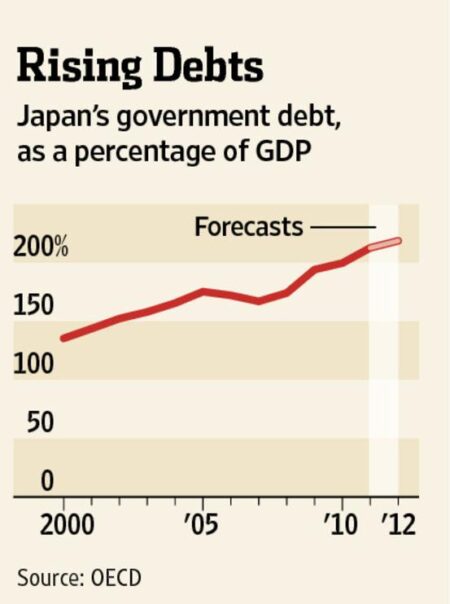
Japan’s debt has skyrocketed to double the size of its entire economy, creating pressing fiscal challenges. Policymakers are now grappling with difficult choices on spending cuts and tax increases, all while navigating slow growth and an aging population, The New York Times reports
Opinion | How Argentina and the United States Switched Places explores the dramatic shifts in economic and political landscapes that have transformed both countries, showcasing Argentina’s remarkable resilience as the U.S. faces new challenges in recent decades
Italy’s Finance Minister has dropped hints about a possible resignation, as the government grapples with escalating divisions regarding the future of UniCredit. This growing rift presents serious challenges for the administration, sparking worries about economic stability and investor confidence.
In a recent address, Chinese officials passionately underscored the importance of national unity. However, analysts caution that Beijing’s ambitions may eclipse the diverse interests of its regions. As the government fervently advocates for cohesion, intriguing questions emerge about the genuine balance of power within this vast nation.
Cerberus, a prominent U.S. investment firm, has set its sights on Darwin Port for a potential acquisition, as revealed by a Chinese port operator. This intriguing development unfolds against the backdrop of Australia’s growing focus on local ownership, sparking concerns about foreign investment in vital infrastructure.
In a bold and thought-provoking analysis, a prominent strategist takes aim at the prevailing narrative that India is simply playing catch-up with Japan in economic performance. He asserts that India’s astonishing growth trajectory not only sets the stage for it to match Japan but also positions it to surpass its rival, fundamentally transforming global economic dynamics.
As global tensions rise, Germany stands at a crossroads, grappling with pivotal decisions that will shape its economic destiny. Yet, leading economists caution that Friedrich Merz’s plans for rearmament and austerity might fall short in tackling the deeper issues of sustainable growth.
CNBC’s “Inside India” newsletter delves into the intriguing dynamics of the Make-in-India initiative. It reveals that although U.S. tariffs on China could open doors for India, a host of structural challenges and fierce competition from other countries might stand in the way of assured success.
Economists are sounding the alarm, declaring that Canada has slipped into a recession. With consumer spending taking a hit and inflation on the rise, the outlook is concerning. Analysts predict that these persistent economic pressures may spell extended difficulties for Canadian households and businesses alike.
Javier Milei, Argentina’s president-elect, is making waves with his electrifying rhetoric and unique flair. Frequently donning a striking lion-themed wig, this libertarian economist presents himself as a fierce champion against the establishment, vowing to usher in groundbreaking change for a nation in need of revival
In a significant diplomatic breakthrough, French President Emmanuel Macron and Chinese President Xi Jinping have joined forces to tackle the enduring cognac trade dispute. This exciting collaboration is set to strengthen bilateral trade relations and bring economic benefits to both nations.
Spain stands out as the only major NATO member yet to embrace the alliance’s ambitious goal of dedicating 5% of GDP to defense spending. As European nations ramp up their military budgets in response to escalating geopolitical tensions, Spain’s hesitance sparks intriguing questions about its defense priorities and future commitments.
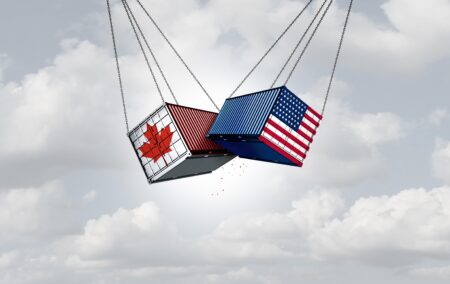
In a pivotal gathering in Canada, G7 finance leaders came together to tackle the pressing issue of non-tariff barriers, seeking a cohesive strategy amidst escalating global trade tensions. Yet, the path forward may be fraught with challenges, as U.S. officials are likely to prioritize their own domestic interests, potentially complicating these crucial discussions.
Italy is gearing up for a significant shift in NATO’s defense spending goals, with expectations that the target will rise to between 3.5% and 5% of GDP. This change comes in response to the growing security challenges facing Europe today. The move is designed to enhance the military capabilities of member states as they navigate an increasingly complex geopolitical landscape
Spain is rolling out a bold new tax policy that could significantly impact British buyers looking to purchase holiday homes. With plans to impose a staggering 100% tax on foreign-owned properties, the government is stirring up quite a buzz and raising eyebrows among potential investors. Will this move deter dreamers from owning a slice of Spanish paradise?