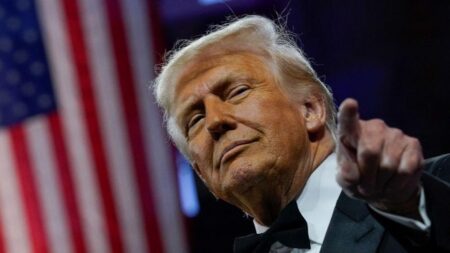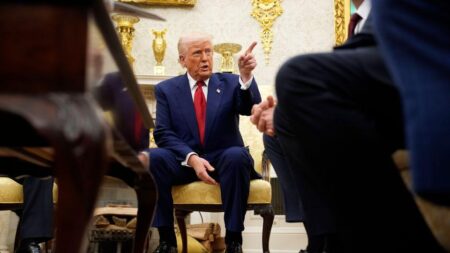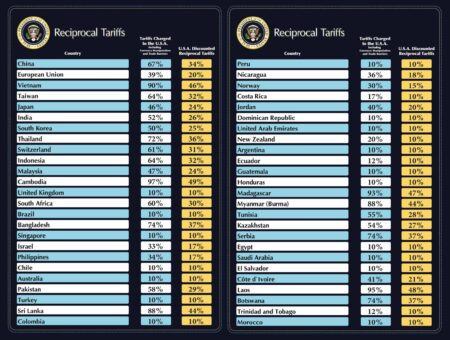
Japanese stocks are poised for a significant rise following former President Trump’s decision to pause higher tariffs. Investors are optimistic, anticipating a boost in trade relations and economic stability, as markets react positively to this unexpected development.

Browsing: economic policy
In a bold move to revitalize Argentina’s economy, President Javier Milei has initiated sweeping deregulation, cutting bureaucratic red tape with a “deep chainsaw” approach. Advocates at the Cato Institute praise this strategy as essential for fostering business growth and attracting investment.
Italy’s Prime Minister Giorgia Meloni is scheduled to visit the United States next week to discuss ongoing tariff negotiations. This high-stakes meeting aims to address trade tensions and strengthen economic ties between the two nations.
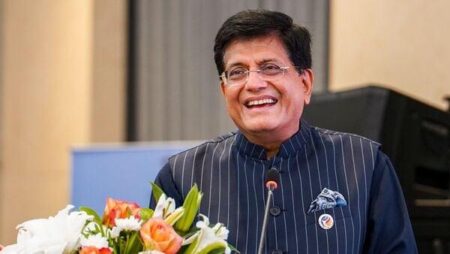
In a recent address, Commerce Minister Piyush Goyal’s remarks on Indian start-ups have ignited a heated debate among entrepreneurs and industry experts. His comments critiquing the challenges and responsibilities of start-ups reflect growing scrutiny of India’s burgeoning tech ecosystem.
Recent surveys by the Pew Research Center reveal shifting American attitudes towards trade. While views on trade with Canada and Mexico remain largely positive, concerns about the U.S.-China trade relationship have intensified, reflecting broader economic anxieties.
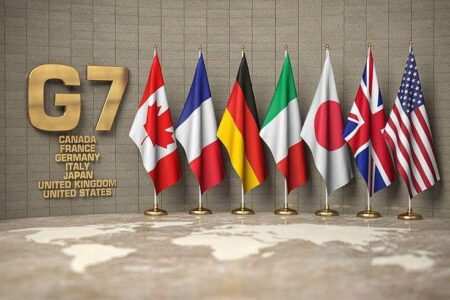
In recent discussions, Canada, the current G7 chair, engaged with Japan and the European Union to address concerns over market stability. The talks focused on collaborative strategies to bolster economic resilience amid global uncertainties, signaling a unified approach.
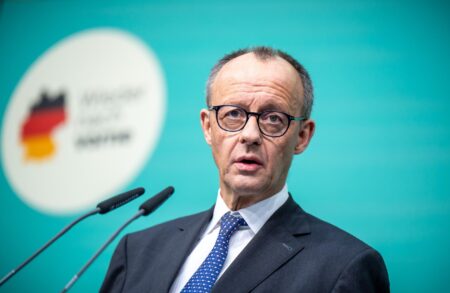
Following the recent coalition agreement, CDU leader Friedrich Merz announced that Germany is “back on track” to address pressing issues. The coalition aims to enhance economic stability and bolster unity amid ongoing challenges in the European landscape.
Japan’s former Defense Minister Shigeru Ishiba is advocating for a comprehensive agreement with the U.S. to address tariff issues. As tensions rise over trade policies, Ishiba emphasizes the need for collaboration to secure mutual economic interests.
In a move that could reshape transatlantic trade relations, former President Donald Trump has urged France to reconsider its trade partnerships, including the potential implications of the Mercosur deal. This call comes amid ongoing tensions over global trade policies.
Canada holds billions in U.S. real estate, but recent threats from former President Trump regarding border policies and trade could jeopardize these investments. Experts warn that uncertainty may deter future Canadian buyers, impacting the market significantly.
In a bold economic maneuver, President Trump has initiated sweeping tariffs against China, igniting a trade conflict with implications that could reverberate throughout the global market. Analysts warn this battle may stretch U.S. resources thin, challenging American competitiveness.
Japan has positioned itself at the forefront of tariff negotiations with the U.S., seeking to bolster trade ties amid shifting global dynamics. The move underscores Tokyo’s proactive approach in addressing economic challenges and enhancing bilateral relations.
Australia is bracing for economic fallout as the U.S. imposes a 10% tariff on its exports, igniting widespread anger among local industries. Trade officials warn the move could strain bilateral relations and escalate tensions in global markets.
In a recent statement, Treasury Secretary Bessent criticized China’s recent aggressive actions, labeling them a “big mistake.” He emphasized that the country is operating from a “losing hand,” signaling potential economic repercussions amid rising tensions.
German officials are raising concerns about the validity of the $109 billion in U.S. gold reserves, demanding verification of bullion bars held at the New York Federal Reserve. This request could have significant implications for international gold holdings.
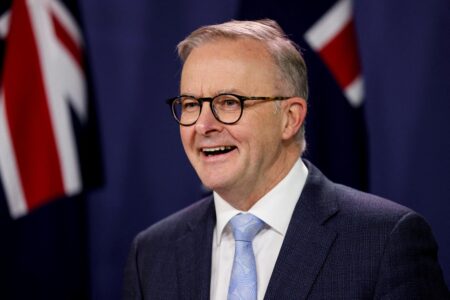
Australia’s Prime Minister has seen a notable increase in approval ratings, fueled by public reaction to recent tariffs imposed by former President Trump. Analysts suggest the economic implications are swaying voters in favor of the PM’s policies.
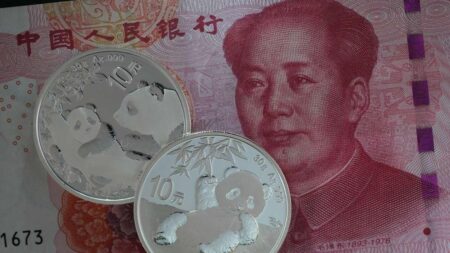
The yuan has emerged as a critical strategic barometer for China in the wake of tariff escalations. Analysts suggest that its fluctuations reflect broader economic resilience and shifting trade dynamics, influencing both domestic markets and global perceptions.
Brazil is considering “all possible actions” in response to new legislation in Congress that could pave the way for trade retaliation. This move comes amid growing tensions over trade practices, highlighting the country’s commitment to protecting its economic interests.
The Trump-era tariffs have disrupted Germany’s economic strategy towards China, particularly under the leadership of Friedrich Merz. As trade tensions escalate, Germany faces challenging decisions to adapt its export policies and maintain competitiveness.
In response to President Trump’s tariffs, Canada has enacted a 25% levy on US auto exports, escalating trade tensions between the two countries. This move aims to protect Canadian manufacturers and counterbalance the economic impact of US tariffs.