Germany is rethinking its fiscal constraints to bolster European defense capabilities, signaling a shift in its long-standing budgetary policies. This move aims to enhance military readiness and strengthen NATO partnerships amid rising geopolitical tensions.
Browsing: economic policy
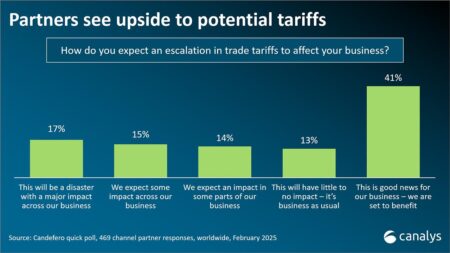
As U.S. tariffs on various imports take effect, Mexico, Canada, and China respond with retaliatory measures, targeting American goods. This escalation raises concerns over escalating trade tensions and potential impacts on the global economy.
Canada has stated it will not eliminate its tariffs unless the United States removes all levies, according to a government official. This stance underscores ongoing trade tensions and highlights the complexities of bilateral negotiations.
In a recent statement, former President Trump claimed that U.S. banks are barred from operating in Canada. However, experts argue that financial regulations are more nuanced, and U.S. banks often navigate specific frameworks to establish a presence internationally.
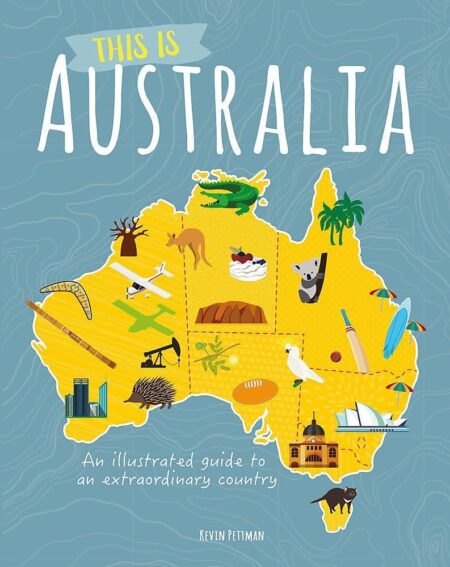
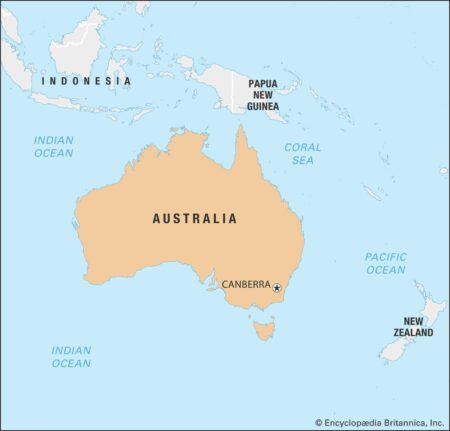
The Trump administration has conveyed to Australia that its planned $56 billion defense spending falls significantly short of strategic needs. This warning highlights concerns over regional security dynamics and the necessity for increased military investment.
UK Finance Minister has emphasized the necessity of “give and take” in ongoing negotiations to prevent the imposition of tariffs by the US. This statement reflects concerns over potential trade barriers that could impact UK businesses amid turbulent economic conditions.
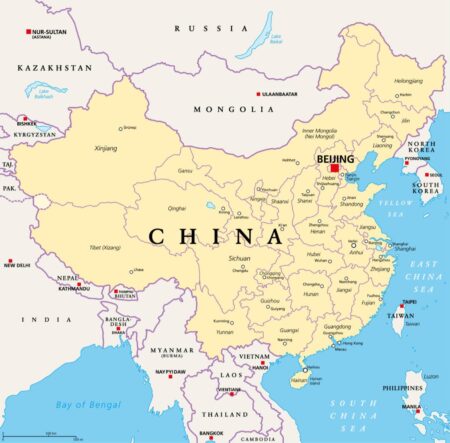
China aims for a GDP growth target of “around 5%” in 2025, signaling a strategic pivot amid rising trade concerns. The government has outlined a suite of stimulus measures to bolster economic stability and enhance domestic demand.
Trump’s China tariffs have sparked retaliatory measures impacting U.S. farm products. Chinese tariffs on American agricultural goods threaten to undermine the struggling farming sector, intensifying trade tensions between the two nations.
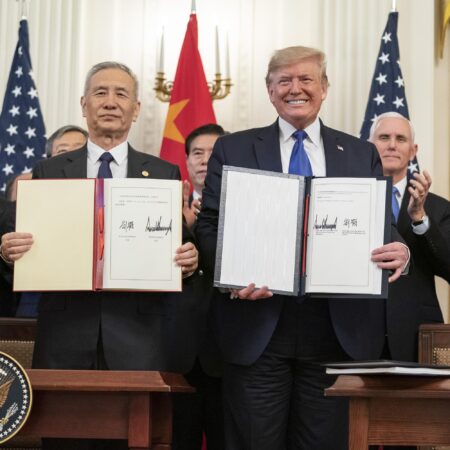
In a significant move, President Trump has announced a 10% increase in tariffs on Chinese imports, escalating trade tensions between the two countries. This strategy aims to protect U.S. industries but may further complicate global supply chains and consumer prices.
Brazil is considering the reduction of its ethanol import tax, a move reportedly aimed at fostering closer ties with the U.S. under President Trump. This potential policy shift reflects ongoing discussions about trade relations and energy cooperation.
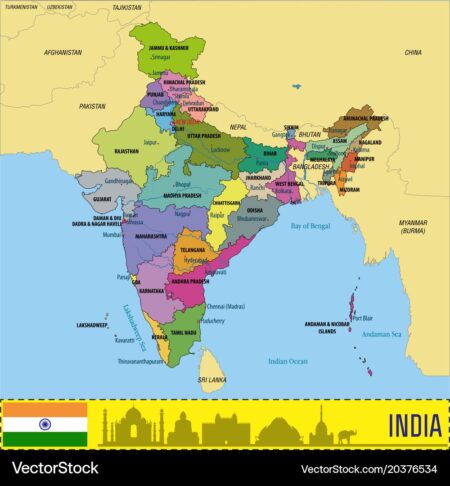
India and the European Union have set a year-end deadline to finalize a free trade agreement, aiming to strengthen economic ties amid rising tariff threats from the U.S. under the Trump administration. This pact could enhance mutual trade benefits significantly.
Spain’s Prime Minister Pedro Sánchez emphasized Europe’s role as a “life insurance” for its member states during a recent address. He highlighted the importance of unity and collaboration in addressing economic challenges and fostering stability across the continent.
In a bid to strengthen trade negotiations, U.S. Trade Representative Katherine Bessent urged Canada and Mexico to adopt tariffs similar to those imposed on China. This move aims to create a unified front against unfair trade practices and boost North American economic stability.
Germany’s next leader faces pressing global challenges, unlike previous administrations that focused inward. As geopolitical tensions rise and the EU’s stability is tested, proactive engagement on the world stage becomes imperative for Germany’s future.
As China experiences a slowdown reminiscent of Japan’s post-bubble era, analysts question whether its economy will mirror Japan’s trajectory. Key factors include demographic challenges, debt levels, and potential policy responses that could shape the future.
The recent Trump tariffs aim to protect American industries from foreign competition, advocating for job preservation and economic stability. Proponents argue that these measures create a more equitable trade environment, ultimately benefiting U.S. workers.
In the complex tapestry of Franco-American relations, France’s strategic foresight in supporting the American Revolution ultimately laid the foundation for a resilient partnership. This article explores how France’s calculated actions shaped a shared future, proving beneficial for both nations.
The People’s Union USA is spearheading a nationwide initiative known as the “Economic Blackout,” urging citizens to halt spending in protest of economic injustices. This movement aims to amplify calls for systemic change and greater equity across the nation.
Germany’s Friedrich Merz is engaged in challenging negotiations aimed at increasing the nation’s defense budget. As international security concerns rise, the discussions reflect the balancing act between fiscal restraint and military readiness.
Brazilian President’s approval rating has plummeted as soaring inflation continues to impact household budgets. Recent surveys indicate growing public discontent, raising concerns about his administration’s economic policies and future electoral prospects.