Japan's 10-year government bond yield has reached its highest level since 2008, driven by investor speculation regarding potential interest rate hikes by the Bank of Japan. This shift marks a significant change in the country's longstanding monetary policy stance.
Browsing: economic policy
Germany's recent shift in fiscal policy marks a significant turnaround, as increased spending aims to bolster its economy and strengthen its role within the European Union. This move positions Germany back at the forefront of European decision-making.
Senators Jerry Moran and Chris Coons have introduced new legislation aimed at strengthening trade negotiations with the United Kingdom. The initiative seeks to enhance economic ties and support U.S. exporters, fostering a more robust transatlantic partnership.
Former RBI Deputy Governor has suggested that Trump's tariffs on India could offer unexpected opportunities for local industries to strengthen and innovate. The measures, while challenging in the short term, may ultimately lead to greater self-reliance.
Former Bank of Japan Governor Haruhiko Kuroda urged the government to address global perceptions that Japan is manipulating the yen. He emphasized that enhancing communication about monetary policy is crucial to dispel misunderstandings and maintain credibility.
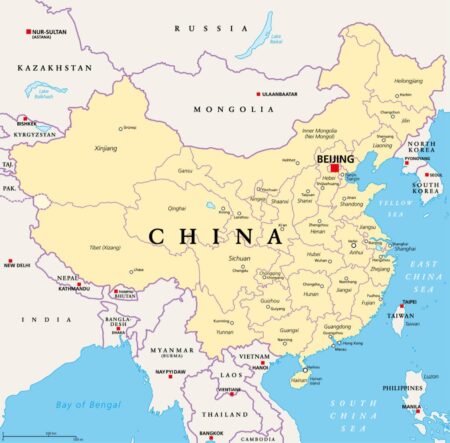
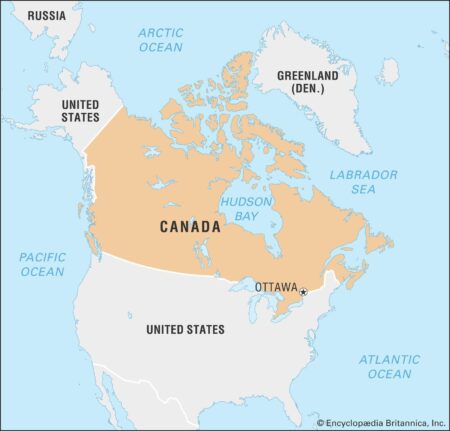
China has imposed new tariffs on Canadian agricultural products, escalating tensions between the two nations. This move marks a significant response to Canada's recent criticisms of China's domestic policies and trade practices, further straining bilateral relations.
As Brazil concludes its G20 Presidency, it leaves behind a legacy of ambitious commitments aimed at enhancing sustainable development globally. This shift emphasizes the importance of collaborative efforts to tackle pressing global challenges, as underscored by the United Nations Sustainable Development Group.
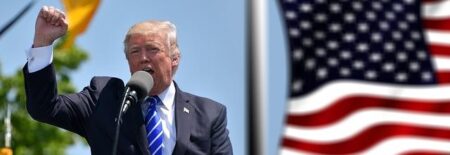
China has officially retaliated against the tariffs imposed by Donald Trump, escalating the trade war between the two economic giants. The move signals a long-term response to protect its markets and interests, as both nations gear up for prolonged negotiations.
In a recent statement, Canadian leadership candidates sparked controversy by suggesting a potential 100% tariff on Tesla vehicles. This claim has raised eyebrows as experts urge a fact-check, emphasizing the economic implications and diplomatic considerations involved.
Japan's largest union group is calling for the most significant wage increase since 1993, emphasizing the need to combat rising living costs and enhance worker livelihoods. This demand comes as inflation pressures mount, prompting a potential shift in corporate wage policies.
China has announced its intention to "resolutely counter" U.S. tariffs, emphasizing a commitment to protect its economic interests amidst increasing trade tensions. The statement reflects ongoing struggles in bilateral relations and potential impacts on global markets.
German parties have reached a consensus to relax fiscal rules, enabling significant investments in military and economic reforms. This shift aims to fortify national defense and stimulate economic growth, reflecting a strategic response to emerging global challenges.
Germany's recent fiscal stimulus, termed a "spending bazooka," is reshaping Eurozone dynamics, propelling the euro and increasing borrowing costs. This shift underscores the impact of national policies on broader European economic stability and inflation concerns.
France is mobilizing for a 'wartime economy' in response to the growing tensions in Ukraine, as U.S. support appears to wane. Paris aims to bolster military production and resources, underscoring its commitment to European security amidst shifting global dynamics.
In a recent address, Xi Jinping asserted China's economic strength, emphasizing resilience in the face of global challenges. He reaffirmed the nation's commitment to its sovereignty, signaling that China will not retreat from its strategic ambitions.
Germany is poised to amend its fiscal rules, allowing for increased public spending amid a planned infrastructure boost. The proposals aim to stimulate economic growth while addressing long-standing deficits, marking a significant shift in fiscal policy.
As the US trade war intensifies, China is set to increase food imports from Latin America and Europe. This strategic shift aims to diversify its supply sources and strengthen economic ties, signaling a significant change in global trade dynamics.
In a recent move, Trump has paused certain tariffs on imports from Mexico and Canada, impacting various goods. Exemptions primarily include critical materials for manufacturing. Analysts speculate on potential trade negotiations and future tariff adjustments.
CNBC's "Inside India" newsletter analyzes optimism surrounding Indian consumption stocks, anticipating a boost from potential tax cuts. Investors are closely monitoring government policies that could influence market dynamics and consumer spending trends.
Commerce Secretary Lutnick announced that the majority of tariffs on Canada and Mexico are likely to be postponed by one month. This delay aims to facilitate ongoing trade discussions and mitigate potential economic impact on both nations.