US orders from Chinese small businesses face delays as Trump-era tariffs continue to impact trade relations. The hold on these imports underscores ongoing economic tensions, affecting suppliers and pricing in the global market.
Browsing: economics
Argentina’s recent IMF deal marks a critical financial maneuver aimed at stabilizing its economy. Negotiations involved stringent fiscal reforms and commitments to reduce inflation, showcasing the government’s resolve to navigate ongoing economic challenges.
Japan has no intention of leveraging U.S. Treasurys amid ongoing tariff discussions, reaffirming its commitment to stable financial markets. Officials emphasize the importance of cooperative trade relations while navigating complex economic challenges.
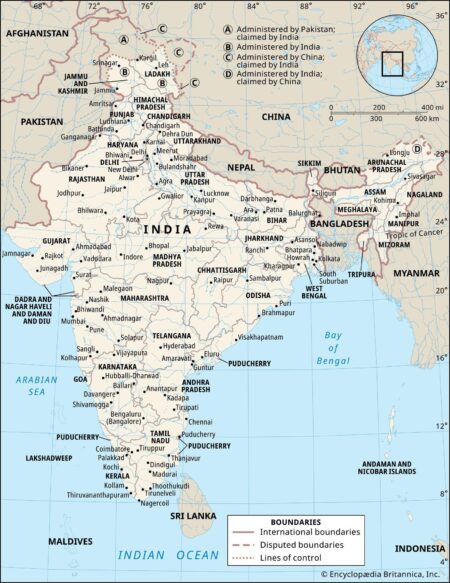
Apple is poised to increase its iPhone production in India, as reported by the Wall Street Journal. This strategic move aims to mitigate potential tariffs and bolster the company’s supply chain resilience amid global trade tensions.
Germany’s Friedrich Merz has warned that proposed tariffs by former President Trump could ignite a financial crisis, jeopardizing global trade stability. He emphasized the need for diplomatic solutions to avoid escalation and protect economic interests.
India has asserted its commitment to fair trade practices following Donald Trump’s decision to impose a 90-day pause on tariffs. The Indian government emphasized that negotiations should not occur under pressure, reaffirming its stance on equitable economic dialogue.
In a recent CNN feature, Fareed Zakaria delves into the steadfast Chinese mentality during the ongoing trade war, emphasizing a cultural ethos that prioritizes resilience and perseverance. He argues that this mindset shapes China’s approach to negotiations and conflict resolution.
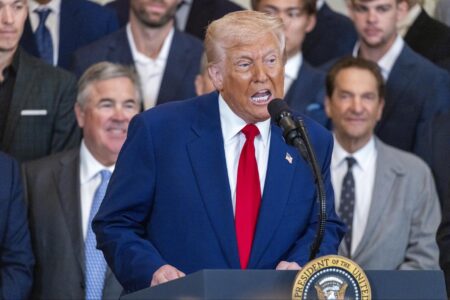
Former President Donald Trump claimed that his tariff policy is “doing really well,” following China’s imposition of a 125% levy on U.S. goods. His comments come amid escalating trade tensions, as both nations grapple with the implications for their economies.
Apple, Nvidia, and Microsoft can ‘breathe a huge sigh of relief’ following the recent exemption from tariffs on key products imported from China. This development is expected to stabilize supply chains and boost profitability for these tech giants.
In a surprising twist amid ongoing trade tensions, experts suggest that Donald Trump’s tariff war with China could lead to lower prices for Australians on Chinese-made goods. With tariffs affecting American imports, Australian consumers might benefit as costs adjust.
In response to ongoing trade negotiations with the US, Indian Commerce Minister Piyush Goyal emphasized, “We don’t negotiate at gunpoint,” affirming India’s commitment to fair trade practices. The remarks underline India’s stance on maintaining equitable discussions.
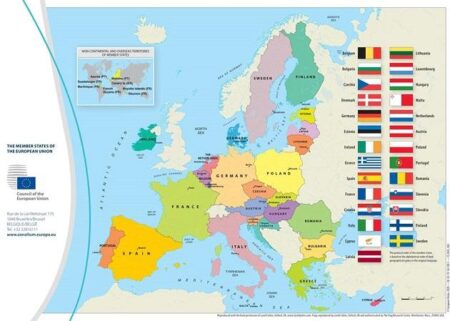
In response to rising global trade tensions, EU countries are implementing protective tariffs to shield domestic industries. This move aims to bolster competitiveness and safeguard jobs, signaling a shift towards more aggressive trade defense strategies.
Japan’s Prime Minister Shigeru Ishiba urged U.S. President Donald Trump to reconsider his tariff policies during their recent discussions. Ishiba emphasized the need for a collaborative approach, highlighting concerns over potential trade tensions between the two nations.
Apple has reportedly airlifted over a million iPhones from India to the U.S. to circumvent tariffs. This strategic move highlights the tech giant’s efforts to maintain competitive pricing amid global trade tensions and optimize its supply chain.
As the US-China tariff war escalates, iPhones, Shein apparel, and toys emerge as top-traded items facing potential price hikes. Analysts warn that increased tariffs could burden consumers, reshaping spending habits and impacting the retail landscape.
In response to escalating tariffs imposed by the Trump administration, Apple is shifting its production focus to India. This strategic move aims to mitigate supply chain disruptions and reduce reliance on China, demonstrating the company’s adaptability in a volatile trade landscape.
In response to rising tensions over trade, Deputy Prime Minister Richard Marles has affirmed that Australia will not collaborate with China to counter former President Donald Trump’s tariffs. Marles emphasized Australia’s commitment to maintaining its own trade policies.
The Biden administration announced that tariffs on Chinese imports have reached a staggering 145%, a significant escalation in trade tensions between the two nations. This move aims to address ongoing concerns over China’s trade practices and economic policies.
In a surprising move, President Trump announced a temporary pause on escalating tariffs, allowing for a 90-day window for negotiations. However, he simultaneously raised China’s levy to an unprecedented 125%, intensifying ongoing trade tensions.
Japanese stocks are poised for a significant rise following former President Trump’s decision to pause higher tariffs. Investors are optimistic, anticipating a boost in trade relations and economic stability, as markets react positively to this unexpected development.