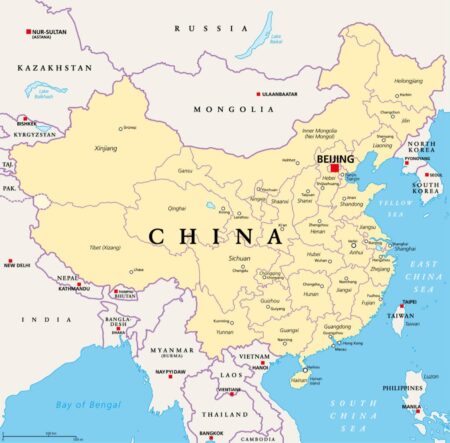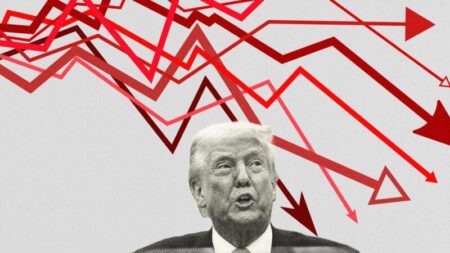
In a significant escalation of trade tensions, China has announced retaliatory tariffs on U.S. goods, raising duties to 125%. This move comes amid a declining dollar, signaling increased economic friction between the two nations. Continue following for live updates.
Browsing: Economy
A recent map reveals the extent of gold reserves stored by various countries in the United States, highlighting Germany’s consideration of repatriating its gold. As global economic concerns rise, this move sparks debate on the security and accessibility of national assets.
Italy’s Prime Minister Giorgia Meloni has vowed to aid businesses affected by tariffs imposed during the Trump administration. She emphasized the need for solidarity among European nations to counter the financial strain and foster economic resilience.
In a striking revelation, Donald Trump’s trade chief made a four-word admission that could explain Australia’s recent trade challenges. This unexpected statement raises questions about underlying motives behind Australia’s position in ongoing negotiations.
Tens of thousands across Spain took to the streets in a massive protest against the escalating housing crisis. Demonstrators demanded affordable housing solutions, highlighting the urgent need for government action to address soaring rents and homelessness.
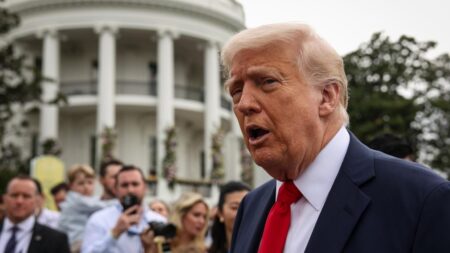
In the wake of escalating trade tensions, former President Trump must remember the core issues that drove his election: American voters prioritize economic stability and affordable prices. A trade war could jeopardize those gains, alienating the very supporters he needs.
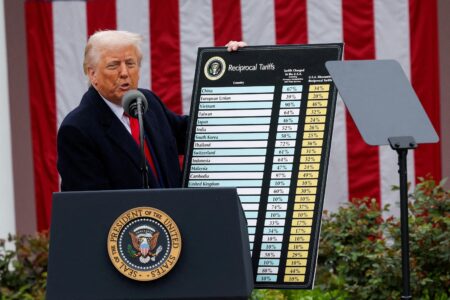
In a bold move, former President Donald Trump has threatened to impose an additional 50% tariff on Chinese imports, potentially driving total tariffs beyond the 100% mark. This escalation raises concerns about the impact on U.S.-China trade relations and global markets.
Russia’s economy faces a severe crisis as oil prices plummeted by 31%, marking a significant blow to President Vladimir Putin’s financial stability. The sharp decline raises concerns about the nation’s fiscal resilience and potential implications for global markets.
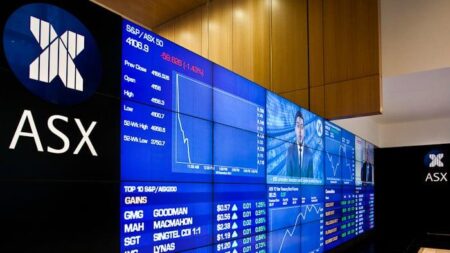
Trade tensions escalate as China’s retaliation to U.S. tariffs intensifies, prompting fears of a global economic slowdown. Markets react negatively, reflecting uncertainty and revealing the potential for prolonged trade disruption between the two powers.
France has identified digital services as a key target in the EU’s tariff response to U.S. trade policies. This move reflects rising tensions over tax structures and digital market regulations, signaling a strategic shift in Europe’s trade negotiations.
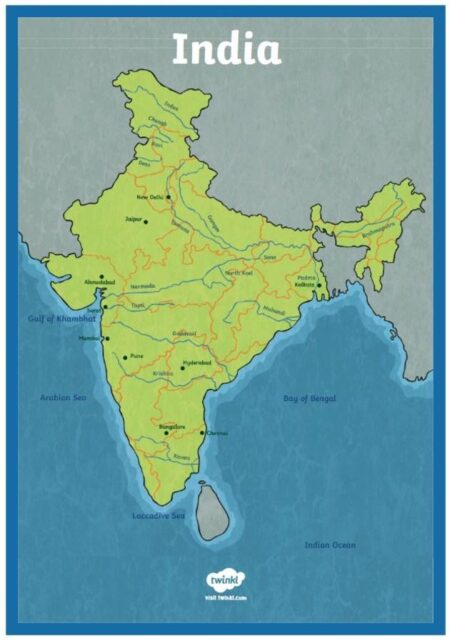
The EU and India are on the brink of finalizing a pivotal free trade agreement aimed at boosting economic ties and enhancing trade in goods and services. This partnership could reshape global trade dynamics, fostering growth and innovation in both regions.
China’s economy tsar has extended an invitation to the EU’s trade chief to collaborate in countering rising tariff threats. This move underscores the growing concern over trade tensions and the importance of strengthening economic ties between the two regions.
Coca-Cola announced plans to invest over $1.4 billion in Argentina, aiming to enhance production and distribution capabilities. This strategic move underscores the company’s commitment to the region’s economic growth and job creation amidst challenging market conditions.
In a recent statement, Deutsche Bank Chairman revealed that Germany received approximately $1 trillion in financial support without cost. This significant figure highlights the country’s economic strategies and the ongoing impact of fiscal policies in Europe.
The unemployment rate in the UK has seen significant fluctuations between 2000 and 2025. According to Statista, the period highlights economic cycles influenced by events such as the 2008 financial crisis and the COVID-19 pandemic, shaping workforce dynamics.
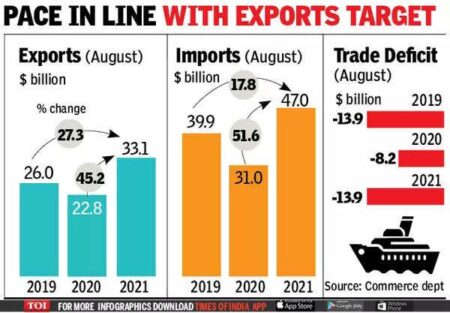
Despite the pressures of Trump’s tariffs, India’s job market is experiencing a significant surge. Companies across sectors are ramping up hiring, driven by a resilient economy and the expansion of tech and service industries, showcasing India’s employment robustness.
China’s rapid advancements in artificial intelligence may offer a silver lining amid ongoing trade tensions and tariff implications. By streamlining production and enhancing efficiency, AI could help businesses offset costs and remain competitive globally.
Japan’s crude steel production declined for the 12th consecutive month in February, reflecting ongoing challenges in the global market. The downturn underscores concerns about demand in key sectors and highlights the nation’s struggle to stabilize its steel industry.
In a bid to bolster its economy against potential U.S. tariffs, Canada is working towards enhancing free internal trade across its provinces. Governor Mark Carney emphasized that a unified domestic market will strengthen Canada’s economic resilience and competitiveness.
Germany’s Siemens announced plans to cut over 6,000 jobs worldwide, with approximately half of the reductions taking place in its home market. This organizational shift aims to enhance efficiency and respond to evolving market demands amid economic challenges.