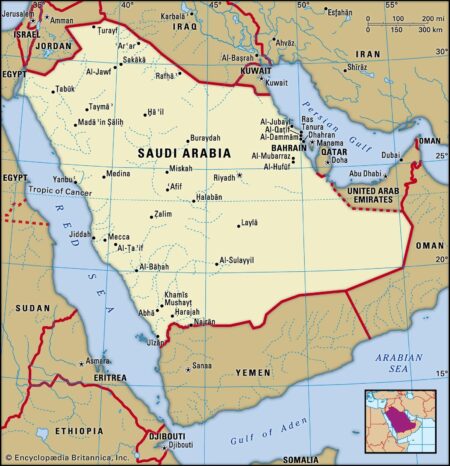
Saudi Arabia, Russia, Iraq, the UAE, Kuwait, Kazakhstan, Algeria, and Oman have reaffirmed their commitment to maintaining oil market stability. This collective pledge aims to support a healthier outlook for global oil prices amid ongoing economic challenges.
Browsing: energy policy
India is advancing its nuclear power capabilities, aiming to increase the share of nuclear energy in its energy mix significantly. The country plans to expand its reactor fleet, enhancing energy security and reducing carbon emissions while meeting growing power demands.
Brazil is considering the reduction of its ethanol import tax, a move reportedly aimed at fostering closer ties with the U.S. under President Trump. This potential policy shift reflects ongoing discussions about trade relations and energy cooperation.
Italy is exploring the revival of its nuclear power industry as part of a strategy to enhance energy security and meet climate goals. With rising energy costs and a push for sustainability, nuclear energy could play a crucial role in Italy’s energy future.
Argentina’s crude oil and natural gas production is approaching record highs, according to the Energy Information Administration (EIA). This surge reflects the country’s growing role as a key player in the South American energy landscape, driven by robust investments and technological advancements.
Japan faces significant energy security challenges, accentuated by its reliance on imported fossil fuels. Experts argue that without optimizing its nuclear energy sources, the nation risks energy instability, highlighting the need for a strategic shift towards nuclear power.
France is set to extend its nuclear deterrent capabilities to European nations, reinforcing regional security amid rising geopolitical tensions. This initiative aims to bolster defense cooperation and provide a robust nuclear shield, ensuring collective stability in Europe.
Spain’s parliament has approved a proposal to reverse the country’s nuclear phase-out, signaling a shift in energy policy amid rising concerns over energy security and climate commitments. This decision opens the door for potential investment in existing nuclear facilities.
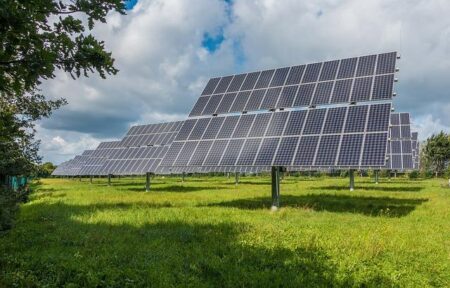
Italy has made significant strides in renewable energy, installing 6.8 GW of solar power in 2024. This milestone reflects the nation’s commitment to sustainability and aims to boost energy independence while reducing carbon emissions.