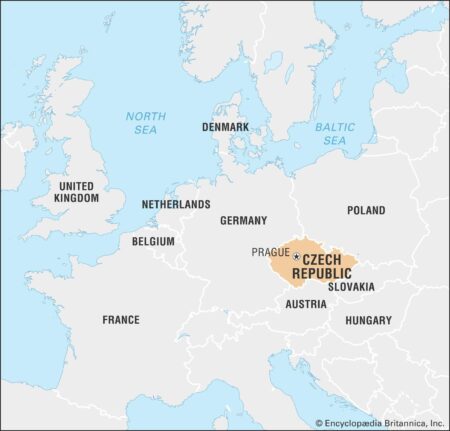
Czech officials joyfully welcomed a surge in oil deliveries from Western sources, marking a pivotal move away from reliance on Russian energy. This exciting shift unfolds against the backdrop of ongoing geopolitical tensions, with the goal of bolstering national energy security.
Browsing: energy policy
The European Investment Bank has greenlit a substantial €108 million loan to Iberdrola, paving the way for an exciting upgrade of its pumped hydro storage facilities in Spain. This strategic investment is set to significantly boost renewable energy integration and strengthen the nation’s ambitious energy transition initiatives.
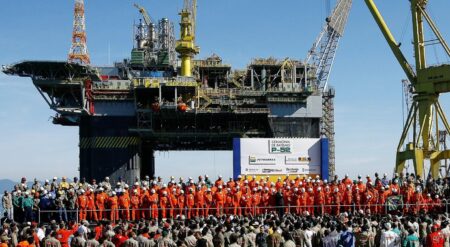
Brazil's booming offshore oil sector is becoming a crucial supplier for China's energy needs. As Chinese firms invest heavily in Brazilian oil projects, the two nations strengthen their economic ties, reshaping global energy dynamics amidst rising demand.
Spain's decision to shutter its nuclear plants marks a pivotal moment for renewable energy. As the country transitions away from nuclear power, the focus intensifies on solar and wind sources to meet energy demands and climate goals amid growing challenges.
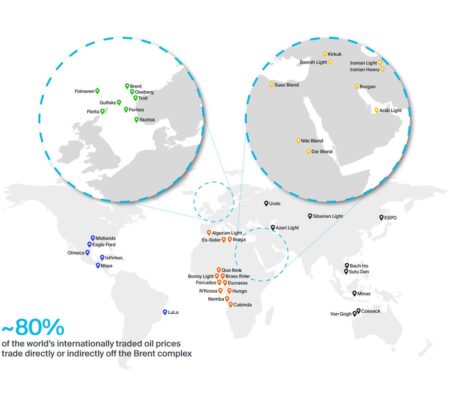
The U.S. Energy Information Administration (EIA) has revised its Brent oil price forecast for 2025 and 2026, signaling a more cautious outlook amid fluctuating global demand and production challenges. This adjustment reflects ongoing volatility in the energy market.
Brazil's electric power reform faces critical challenges, including outdated infrastructure, high tariffs, and a reliance on hydropower. Addressing these issues is crucial for ensuring energy security and attracting investment in a diverse energy mix.
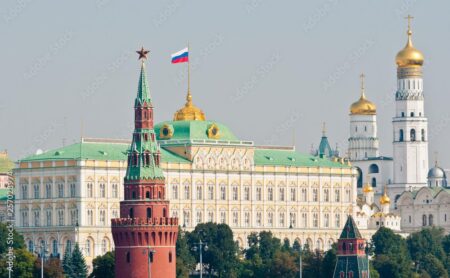
The Kremlin is experiencing heightened concern as the price of Russian Urals crude oil approaches the critical $50 threshold. This significant drop could hamper state revenues, further exacerbating the economic challenges faced amid ongoing sanctions.
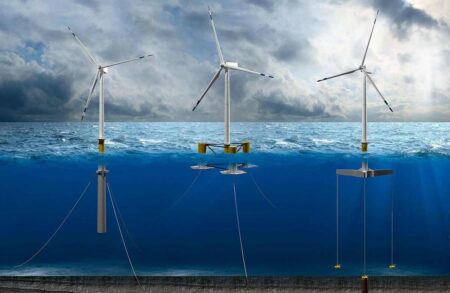
France faces a potential setback in its renewable energy ambitions, as reports indicate the country could miss its offshore wind targets. With regulatory delays and project setbacks compounded by supply chain issues, stakeholders urge immediate action to ensure progress.
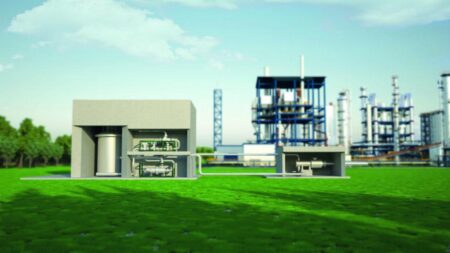
The Canadian Nuclear Safety Commission has issued a construction license for a small modular reactor (SMR), marking a significant step in the country’s efforts to enhance its clean energy portfolio. This milestone underscores the growing global interest in advanced nuclear technologies.
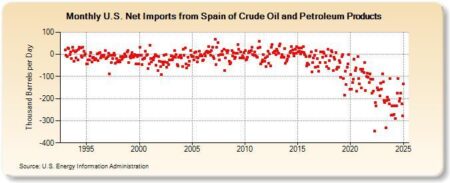
Spain’s Oil Imports from Venezuela Surge 60% Ahead of U.S. Sanctions Amid Shifting Global Energy Dynamics
In a notable shift in energy trade dynamics, Spain has ramped up its oil imports from Venezuela, witnessing a staggering 60% increase as the looming prospect of U.S. sanctions raises concerns among other buyers regarding supplies from the South American nation. This surge underscores Spain’s strategic move to secure a stable source of crude oil amid volatile global markets and the ongoing repercussions of geopolitical tensions. With U.S.sanctions on Venezuela set to tighten, spain’s approach not only highlights its reliance on Venezuelan oil but also reflects a broader trend among European nations seeking to diversify their energy portfolios in an era of uncertainty. As crude oil prices fluctuate in response to these developments,the implications for both Spain’s energy security and the global oil market remain to be seen.
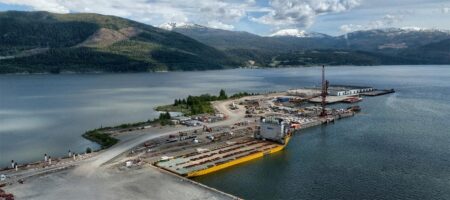
Canada's Minister is advocating for a doubling of LNG Canada’s capacity to meet growing demand and strengthen energy exports. The proposal includes an upgrade to western pipelines, highlighting the government's focus on expanding the nation’s LNG potential.
Argentina has commenced gas exports to Brazil via Bolivia, marking a significant development in regional energy dynamics. This move aims to enhance energy cooperation between the two South American nations and strengthen their economic ties.
Former President Trump's recent threat to impose tariffs on Russian oil has intensified pressure on Vladimir Putin, potentially accelerating negotiations for a peace deal with Ukraine. Experts suggest that heightened economic constraints may drive Russia to reconsider its stance.
In a firm stance, Germany’s Economy Minister, Robert Klingbeil, dismissed calls to reinstate Russian gas imports, emphasizing the nation’s commitment to energy independence. This decision reflects ongoing geopolitical tensions and Germany's pivot towards alternative energy sources.
The International Atomic Energy Agency (IAEA) has reaffirmed that Japan's release of ALPS-treated water from the Fukushima facility continues to meet international safety standards. This report highlights ongoing monitoring efforts and the safety of the discharge process.
A 70-year-old laboratory at a nuclear center is set to undergo a significant roof replacement to facilitate the safe processing of radioactive waste. This upgrade aims to enhance safety measures and ensure compliance with modern environmental standards.
The United Kingdom aims to expand its offshore wind power capacity to 50 GW by 2030, enhancing energy security and reducing carbon emissions. This ambitious target positions the UK as a leader in renewable energy and sustainable innovation.
Brazil has nominated former energy ministers to the board of Eletrobras, the nation's largest utility, according to sources. This move is seen as part of ongoing efforts to enhance governance and expertise within the state-owned company.
In a bold economic move, former President Donald Trump proposed a 25% tariff on countries that purchase oil and gas from Venezuela. The policy aims to pressure the Maduro regime while altering global energy dynamics amid ongoing sanctions.
Iberdrola has cautioned that energy prices in Spain could surge if the government decides to close nuclear plants. The utility company emphasized that these facilities are crucial for maintaining stable energy costs amid rising demands.