Australia and Japan are joining forces to supercharge their hydrogen partnership, setting their sights on becoming pioneers in the global shift towards clean energy. Yet, as they pursue this ambitious vision, they face significant challenges in technology and market adoption that could complicate their journey through the exciting yet complex landscape of renewable energy.
Browsing: energy policy
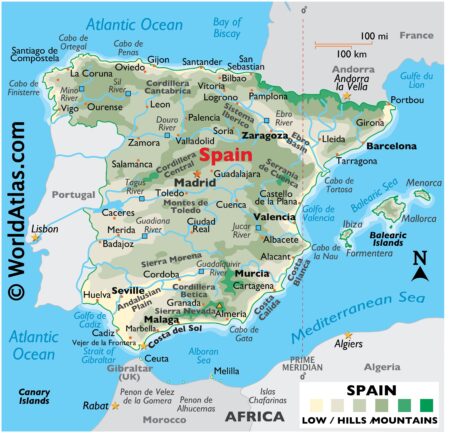
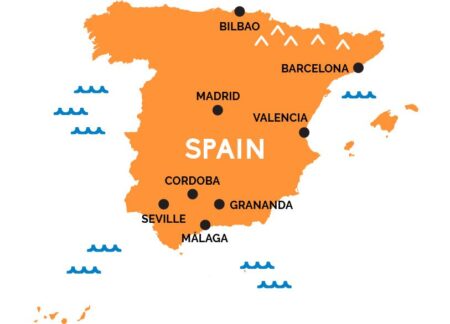
Spain has reached an incredible milestone by running its national grid solely on renewable energy for an entire weekday! This groundbreaking accomplishment highlights the nation’s dedication to sustainable energy and sets a shining example for global renewable initiatives.
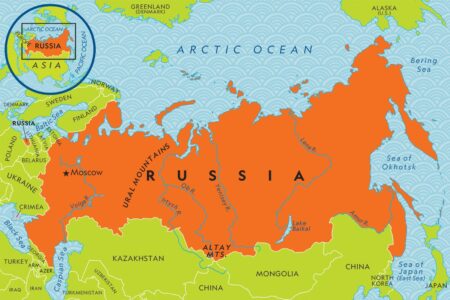
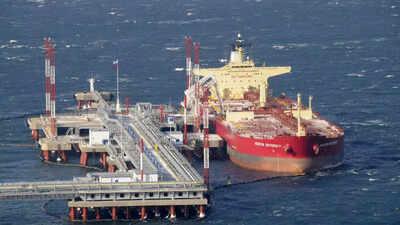
Data from Reuters reveals that Russian oil shipments have dramatically slashed OPEC’s share of India’s crude imports to an all-time low. This significant shift underscores India’s increasing reliance on non-OPEC sources as the global energy landscape continues to evolve and fluctuate
Albania’s state-owned power company KESH has officially joined forces with France’s AFD by signing a groundbreaking Memorandum of Understanding. This exciting partnership is set to revolutionize hydropower management and energy storage solutions, paving the way for a greener future. Together, they aim to supercharge sustainable energy development across the Balkans!
Czech officials joyfully welcomed a surge in oil deliveries from Western sources, marking a pivotal move away from reliance on Russian energy. This exciting shift unfolds against the backdrop of ongoing geopolitical tensions, with the goal of bolstering national energy security.
The European Investment Bank has greenlit a substantial €108 million loan to Iberdrola, paving the way for an exciting upgrade of its pumped hydro storage facilities in Spain. This strategic investment is set to significantly boost renewable energy integration and strengthen the nation’s ambitious energy transition initiatives.
Brazil’s booming offshore oil sector is becoming a crucial supplier for China’s energy needs. As Chinese firms invest heavily in Brazilian oil projects, the two nations strengthen their economic ties, reshaping global energy dynamics amidst rising demand.
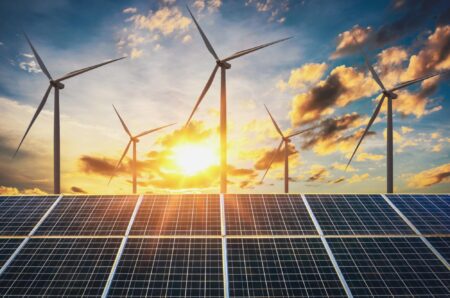
Spain’s decision to shutter its nuclear plants marks a pivotal moment for renewable energy. As the country transitions away from nuclear power, the focus intensifies on solar and wind sources to meet energy demands and climate goals amid growing challenges.
The U.S. Energy Information Administration (EIA) has revised its Brent oil price forecast for 2025 and 2026, signaling a more cautious outlook amid fluctuating global demand and production challenges. This adjustment reflects ongoing volatility in the energy market.
Brazil’s electric power reform faces critical challenges, including outdated infrastructure, high tariffs, and a reliance on hydropower. Addressing these issues is crucial for ensuring energy security and attracting investment in a diverse energy mix.
The Kremlin is experiencing heightened concern as the price of Russian Urals crude oil approaches the critical $50 threshold. This significant drop could hamper state revenues, further exacerbating the economic challenges faced amid ongoing sanctions.
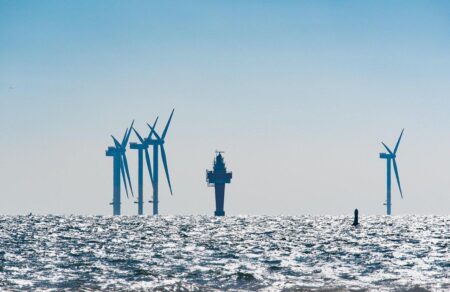
France faces a potential setback in its renewable energy ambitions, as reports indicate the country could miss its offshore wind targets. With regulatory delays and project setbacks compounded by supply chain issues, stakeholders urge immediate action to ensure progress.
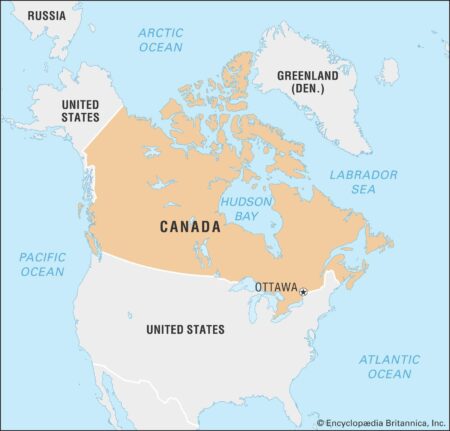
The Canadian Nuclear Safety Commission has issued a construction license for a small modular reactor (SMR), marking a significant step in the country’s efforts to enhance its clean energy portfolio. This milestone underscores the growing global interest in advanced nuclear technologies.
Spain’s Oil Imports from Venezuela Surge 60% Ahead of U.S. Sanctions Amid Shifting Global Energy Dynamics In a notable shift…
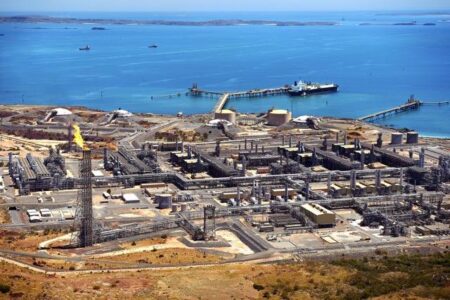
Canada’s Minister is advocating for a doubling of LNG Canada’s capacity to meet growing demand and strengthen energy exports. The proposal includes an upgrade to western pipelines, highlighting the government’s focus on expanding the nation’s LNG potential.
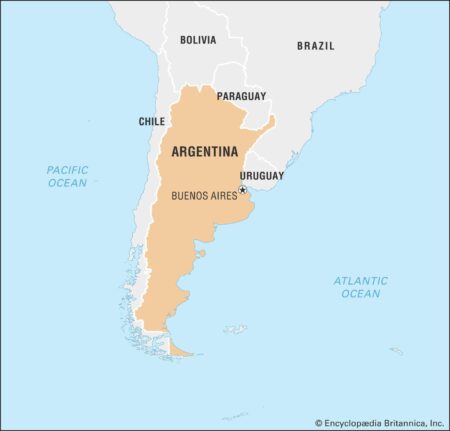
Argentina has commenced gas exports to Brazil via Bolivia, marking a significant development in regional energy dynamics. This move aims to enhance energy cooperation between the two South American nations and strengthen their economic ties.
Former President Trump’s recent threat to impose tariffs on Russian oil has intensified pressure on Vladimir Putin, potentially accelerating negotiations for a peace deal with Ukraine. Experts suggest that heightened economic constraints may drive Russia to reconsider its stance.
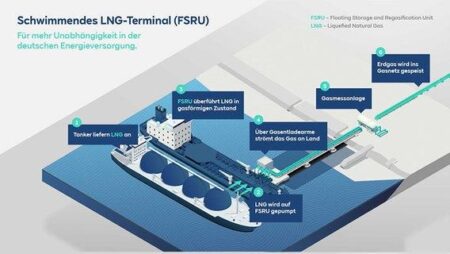
In a firm stance, Germany’s Economy Minister, Robert Klingbeil, dismissed calls to reinstate Russian gas imports, emphasizing the nation’s commitment to energy independence. This decision reflects ongoing geopolitical tensions and Germany’s pivot towards alternative energy sources.
The International Atomic Energy Agency (IAEA) has reaffirmed that Japan’s release of ALPS-treated water from the Fukushima facility continues to meet international safety standards. This report highlights ongoing monitoring efforts and the safety of the discharge process.
A 70-year-old laboratory at a nuclear center is set to undergo a significant roof replacement to facilitate the safe processing of radioactive waste. This upgrade aims to enhance safety measures and ensure compliance with modern environmental standards.