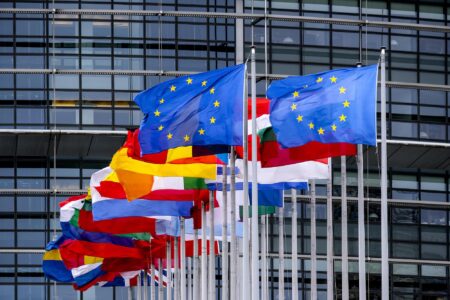
The European Union is gearing up to unveil a bold initiative: a sweeping ban on Russian gas. This decisive action aims to tighten the noose around Moscow as geopolitical tensions continue to escalate. With this measure, the EU reaffirms its dedication to cutting energy ties and standing firmly with Ukraine in these challenging times.
Browsing: energy security
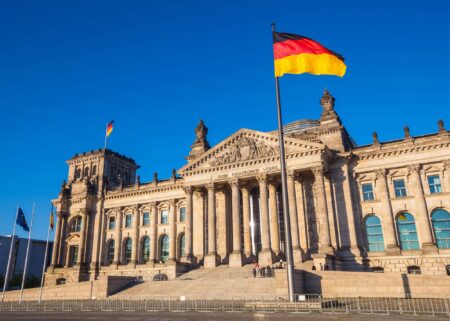
Germany’s vital infrastructure is under mounting pressure from a wave of security challenges, ranging from sophisticated cyberattacks to tangible physical threats. With global tensions escalating, experts are calling for robust measures to safeguard essential services, reinforcing our resilience against any potential disruptions.
Japan is making a bold move by placing its bets on hydrogen as a key pillar of its energy future, pouring significant resources into both production and infrastructure. This ambitious endeavor could provide invaluable insights into sustainable energy transitions for countries around the globe, showcasing the power of innovation and collaboration.
As worries about energy stability mount, France is taking a closer look at its ability to withstand potential major power outages. With an aging infrastructure and increasing demand, experts are sounding the alarm that systemic vulnerabilities could jeopardize the nation’s energy security.
Germany’s grid regulator has confidently stated that a power outage similar to those experienced in Iberia is unlikely to occur in the country. As investigations unfold across Europe into the recent blackouts, authorities are diligently working on strengthening grid resilience to ensure that such disruptions remain a thing of the past.
Japan’s top gas importer is setting its sights on a promising opportunity: acquiring liquefied natural gas from Alaska’s LNG project. This bold strategy is designed to broaden their energy portfolio in response to increasing demand and the unpredictable nature of global gas prices.
Spain has expressed a strong commitment to prolonging the operation of its nuclear power plants, emphasizing the importance of energy security and ambitious climate objectives. This decision is in harmony with Europe’s overarching strategy to diminish dependence on fossil fuels as energy demands continue to surge.
Russia has unveiled what it claims to be evidence of Ukrainian assaults on the TurkStream pipeline, intensifying tensions in an already volatile landscape. This revelation emerges as Turkey and Russia grapple with their intricate geopolitical ties, all while energy security hangs in the balance.
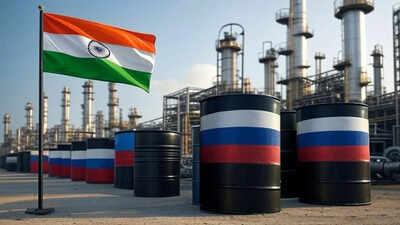
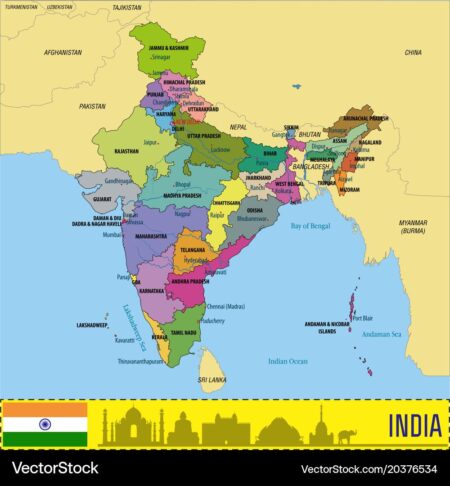
Data from Reuters reveals that Russian oil shipments have dramatically slashed OPEC’s share of India’s crude imports to an all-time low. This significant shift underscores India’s increasing reliance on non-OPEC sources as the global energy landscape continues to evolve and fluctuate
Czech officials joyfully welcomed a surge in oil deliveries from Western sources, marking a pivotal move away from reliance on Russian energy. This exciting shift unfolds against the backdrop of ongoing geopolitical tensions, with the goal of bolstering national energy security.
Romania has officially joined an EU-backed nuclear energy initiative alongside France and Italy. This collaboration aims to enhance energy security and promote sustainable development in the region, marking a significant step for Romania’s energy strategy.
Argentina has commenced gas exports to Brazil via Bolivia, marking a significant development in regional energy dynamics. This move aims to enhance energy cooperation between the two South American nations and strengthen their economic ties.
In a firm stance, Germany’s Economy Minister, Robert Klingbeil, dismissed calls to reinstate Russian gas imports, emphasizing the nation’s commitment to energy independence. This decision reflects ongoing geopolitical tensions and Germany’s pivot towards alternative energy sources.
Recent US-Russia discussions in the Black Sea are raising alarms in Europe, as intensified military posturing and unresolved tensions could destabilize regional security. Analysts fear these talks may lead to heightened confrontations impacting EU-NATO dynamics.
India’s oil import dependence has surged to a record high, exacerbated by rising domestic demand and limited local production. This trend poses significant economic challenges and highlights the need for strategic energy policy reforms.
Germany has seized a suspected Russian oil tanker connected to a “shadow fleet” evading sanctions. This move highlights ongoing global efforts to curb Russia’s access to energy resources amidst the ongoing conflict in Ukraine.
France is set to reopen its fourth nuclear air base amid a growing urgency across Europe to bolster military capabilities. This move reflects heightened security concerns and a renewed focus on deterrence in a shifting geopolitical landscape.
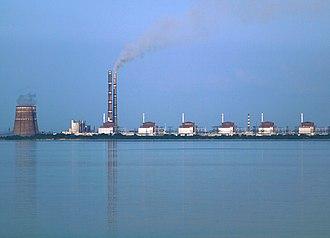
In recent comments, Trump highlighted the strategic significance of Ukraine’s Zaporizhzhia Nuclear Power Plant in negotiations with Putin, raising concerns about its safety amid ongoing conflict. The future of the facility remains uncertain as tensions escalate.
India is advancing its nuclear power capabilities, aiming to increase the share of nuclear energy in its energy mix significantly. The country plans to expand its reactor fleet, enhancing energy security and reducing carbon emissions while meeting growing power demands.
A recent report by POLITICO Europe highlights concerns that China could leverage its dominance in wind turbine production to exert economic pressure on Germany. This potential “blackmail” could threaten Germany’s energy transition and industrial competitiveness.