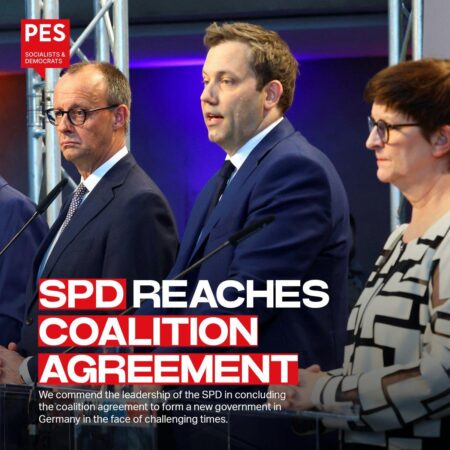
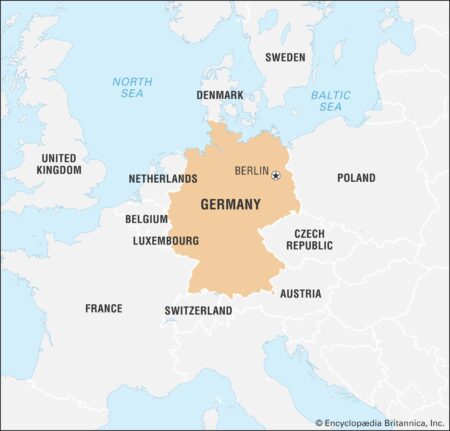
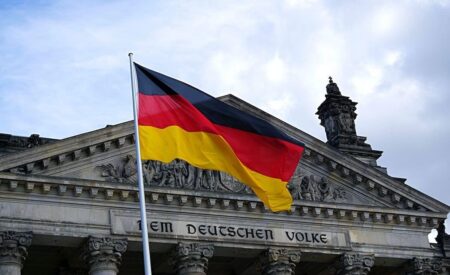
Germany’s Friedrich Merz has finalized a coalition deal aimed at addressing the rising challenges posed by a resurgent Trump administration. The agreement underscores the urgency for European leaders to unify against potential political shifts across the Atlantic.
Browsing: European politics
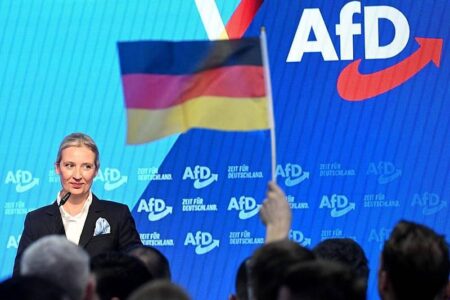
The Alternative for Germany (AfD) has surged to prominence, becoming the country’s most popular party amid rising concerns over immigration and economic instability. Analysts attribute this momentum to a growing discontent with traditional political parties and their handling of pressing issues.
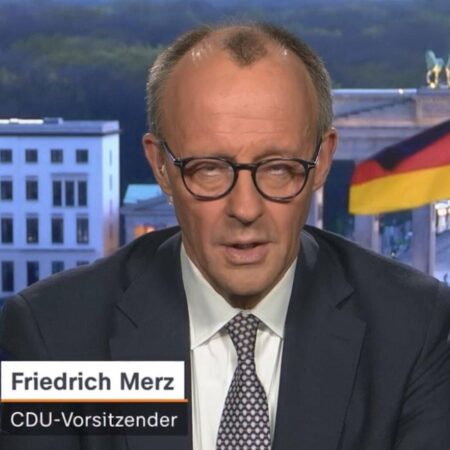
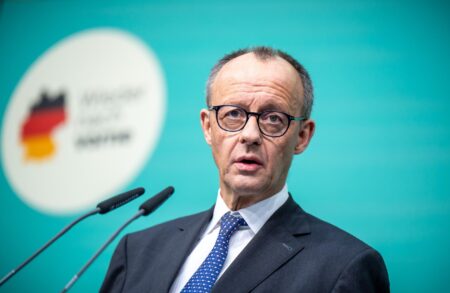
Following the recent coalition agreement, CDU leader Friedrich Merz announced that Germany is "back on track" to address pressing issues. The coalition aims to enhance economic stability and bolster unity amid ongoing challenges in the European landscape.
In a striking revelation that has captured the attention of intelligence experts and policymakers alike, the U.K.’s largest espionage trial has laid bare the Kremlin’s covert operations and strategic manipulation in wartime Europe. The trial, which centers on the activities of individuals allegedly employed by Russian intelligence agencies, highlights a sophisticated web of espionage tactics that underscore Moscow’s attempts to undermine Western stability amidst ongoing geopolitical tensions. As the conflict in ukraine continues to reshape the landscape of european security,this case provides a crucial window into the murky world of state-sponsored spying,revealing not only the methods employed by Putin’s operatives but also the broader implications for international relations as the continent grapples with the specter of hybrid warfare. In this article, we delve into the key findings from the trial, exploring how these insights reflect the Kremlin’s enduring commitment to espionage in pursuit of its strategic objectives.
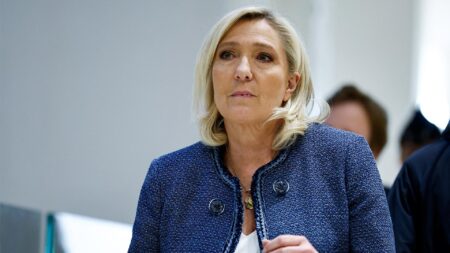
Former U.S. President Donald Trump has publicly endorsed France's far-right leader Marine Le Pen following her recent conviction in a defamation case. This support underscores Trump's continued alignment with nationalist movements in Europe as they seek electoral success.
The recent court verdict against Marine Le Pen has sparked outrage among far-right factions in France and beyond. Supporters claim the ruling exemplifies political bias, while critics view it as a critical step towards accountability for populist leaders.
Marine Le Pen's recent ban from public office has intensified divisions within French society. Supporters view it as a crucial step against extremism, while opponents argue it undermines democratic discourse, deepening the nation's political rift.
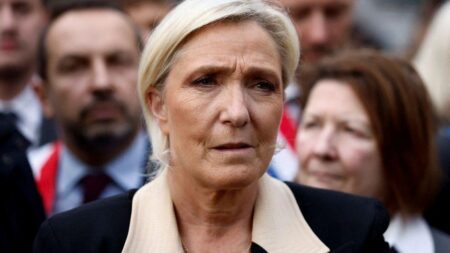
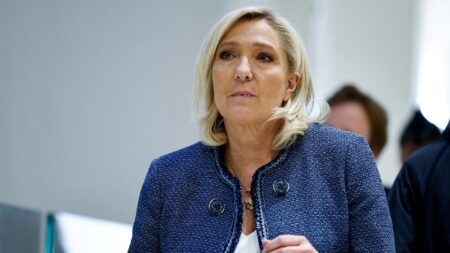
France's Marine Le Pen has been barred from holding public office for five years following a conviction for embezzlement. The ruling underscores the ongoing scrutiny of political figures amidst allegations of financial misconduct, as reported by CNBC.
In a bold response to her recent barring from office, Marine Le Pen remains defiant, asserting that her political ambitions are undeterred. The ruling has sparked significant debate about political freedoms and the implications for France's far-right movement.
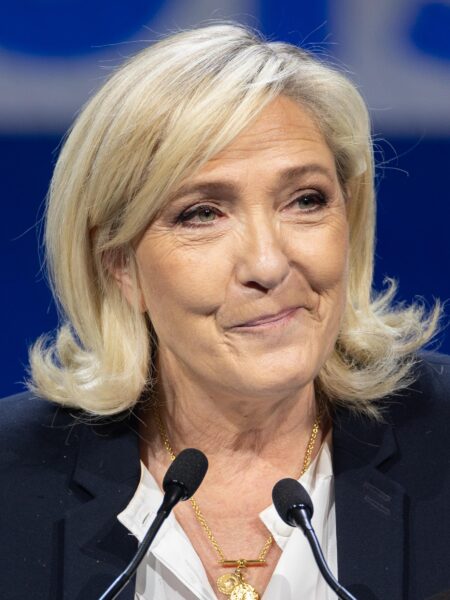
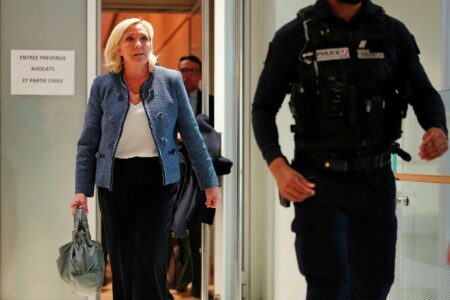
In a notable turning point in French politics, Marine Le Pen, the controversial leader of the National Rally party, has recently been convicted on charges of hate speech, a decision that could have far-reaching implications for her career and the future of the far-right movement in France. This ruling has ignited heated debate among political analysts and citizens alike, raising questions about the resilience of Le Pen’s political ambitions and the potential for a resurgence of far-right ideologies in a country grappling with social and economic challenges. As France stands on the precipice of a crucial electoral cycle, the repercussions of this conviction may not only shape Le Pen’s trajectory but also the broader landscape of French politics, prompting a closer examination of the evolving sentiments driving the rise of nationalist movements across Europe. In this article, we delve into the context of Le Pen’s conviction, its immediate effects, and the possibilities it presents for both her political future and the far-right’s stance in France.
Germany's new parliament is shaking things up with surprising developments. From an influx of youthful representatives to unprecedented coalition dynamics, discover the five wildest aspects shaping the future of German politics.
In a defining moment for German politics, Gregor Gysi, the veteran leader of the Left Party, took center stage in the Bundestag, addressing pressing social issues amid rising economic concerns. His passionate speech highlighted the party's commitment to social justice and equity.
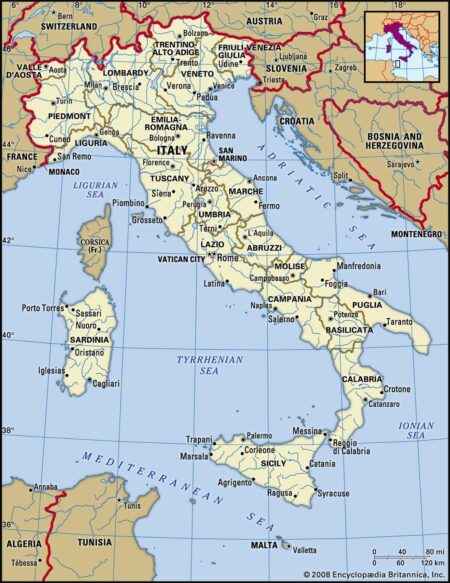
Italy's Prime Minister Giorgia Meloni faces a delicate balancing act as she navigates her allegiance to former President Trump while maintaining her responsibilities to European unity. This dilemma highlights the complexities of national and international politics in a shifting landscape.
Germany's Friedrich Merz has achieved a significant breakthrough in securing approval for a massive spending plan aimed at stimulating economic growth. The initiative, seen as a pivotal move for the economy, is set to reshape fiscal policy and address pressing challenges.
Germany's finance minister, Christian Merz, faces a critical deadline to unveil a groundbreaking spending plan aimed at revitalizing the nation's economy. With just two weeks to act, the implications of his decisions could reshape fiscal policy for years to come.
A recent speech by a prominent French politician criticizing former President Trump's Ukraine policies has gone viral, capturing widespread attention on social media. The remarks highlighted concerns over U.S. foreign policy's impact on European security and unity.
Germany is set to enhance its support for Ukraine by committing an additional €3 billion in aid. This decision reflects ongoing efforts to bolster Ukraine’s defense amid escalating tensions, reinforcing Germany's role in European security initiatives.
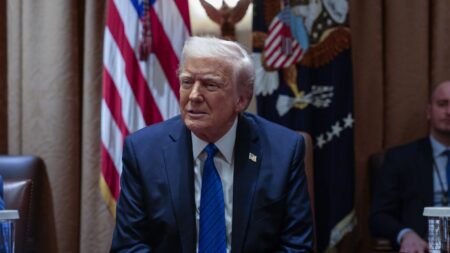
In a surprising turn of events, former President Donald Trump has announced a proposed plan to "liberate" Germany from what he describes as bureaucratic constraints imposed by the EU. This controversial stance has ignited debates over sovereignty and transatlantic relations.
German conservatives are increasingly aligning with far-right elements, prompting NGOs to voice concerns over a potential crackdown on civil society. Activists warn that this shift threatens democratic values and undermines civic engagement in the country.
As Germany's political landscape shifts rightward, experts from the Atlantic Council analyze the implications of the recent election results. They delve into how this trend could reshape Germany’s domestic policies and its role in the European Union.