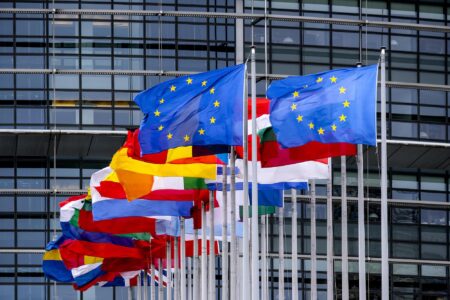
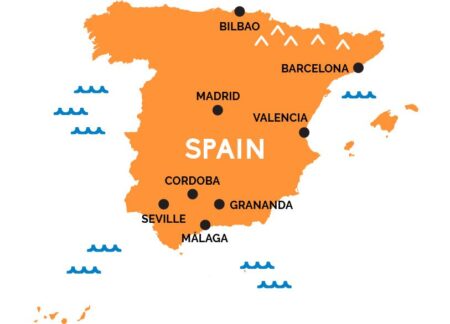
European Union countries are standing firm against Spain’s ambitious proposal to elevate Catalan to an official language within EU institutions. This pushback underscores the deep-seated tensions surrounding regional autonomy and language rights, adding layers of complexity to Spain’s quest for wider recognition.
Browsing: European Union
Italy and several European Union members are calling for a reassessment of the European Convention on Human Rights. This movement aims to address perceived challenges and enhance the efficiency of the human rights framework across Europe.
Spain and Portugal are urging the EU to fast-track the development of power interconnections in the wake of a major blackout. The two countries stress that strengthening energy links is crucial for bolstering stability and resilience in their power grids, ensuring a brighter and more secure future for all
Italy’s data protection authority has slapped a hefty $5.6 million fine on Replika’s developer for violating privacy regulations. This significant action underscores the growing unease surrounding AI applications and how they manage user data, especially as tech companies face heightened scrutiny
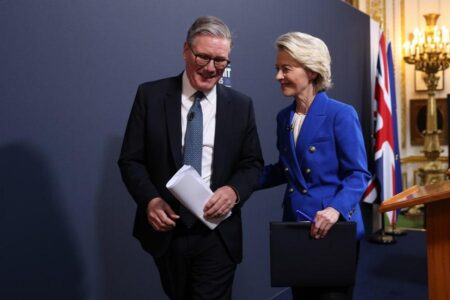
The EU and UK have forged a groundbreaking post-Brexit deal that tackles crucial topics like security cooperation, fishing rights, and energy trade. This agreement opens the door to a fresh chapter in their relationship, with the goal of strengthening collaboration in the face of ongoing challenges.
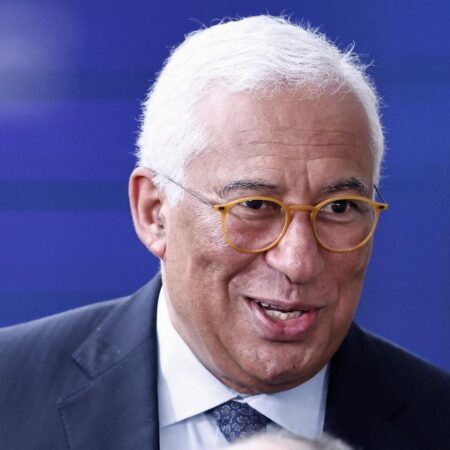
In a lively joint press conference after the EU-UK summit in London, President António Costa highlighted the vital need for ongoing collaboration between the EU and the UK. With a hopeful outlook for future partnerships, he tackled the challenges that linger in the wake of Brexit.
The European Union has updated its growth forecasts for Italy for 2025 and 2026, highlighting worries about falling productivity and the effects of tariffs. This revision sheds light on the persistent economic hurdles the nation is grappling with as global trade dynamics continue to shift.
Italy’s potential entry into the Three Seas Initiative promises to ignite regional collaboration, fortify energy security, and deepen economic connections with Central and Eastern European nations. This move could elevate Italy to a key role in tackling strategic challenges across Europe
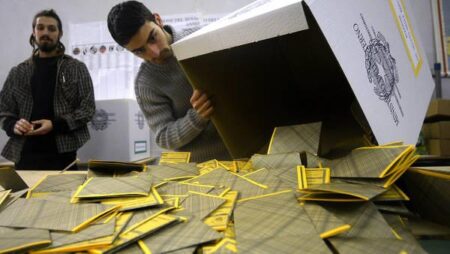
Italians are gearing up to cast their votes in a pivotal referendum that has the potential to transform their electoral system and redefine governance. The results could significantly affect Italy’s political landscape and its relationship with the EU, making it a key moment for international observers to keep a close eye on.
French President Emmanuel Macron has issued a stark warning: if hostilities in Ukraine persist, Russia could be hit with even more sanctions. During a recent press conference, he passionately underscored the critical importance of achieving a ceasefire to bring much-needed stability back to the region.
Germany has delivered a bold ultimatum to Russia, insisting on an immediate ceasefire by midnight. Should Russia fail to heed this call, new sanctions will be imposed, escalating the already intense tensions in the region. As international pressure builds for a resolution to the ongoing conflict, all eyes are on the unfolding situation
France has voiced its backing for a thorough review of the EU-Israel trade agreement in light of the intensifying violence in Gaza. This stance highlights the increasing apprehension regarding the humanitarian crisis unfolding in the region, prompting European nations to reevaluate their diplomatic relationships with Israel.
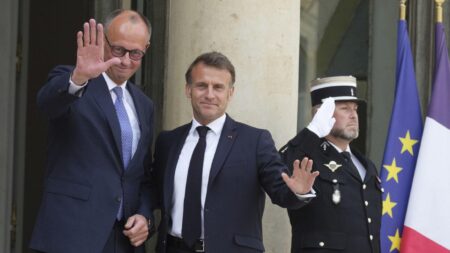
In a bold step to strengthen European security, German Chancellor Olaf Scholz and French President Emmanuel Macron have unveiled the creation of a ‘joint defense and security council.’ This exciting initiative is designed to boost military collaboration in response to escalating regional tensions.
In a dynamic press conference held in Brussels, Belgium, Germany’s Friedrich Merz took center stage to tackle pressing challenges confronting the European Union. The discussion revolved around fostering collaboration among member states and unveiling innovative strategies for economic recovery in the wake of the pandemic.
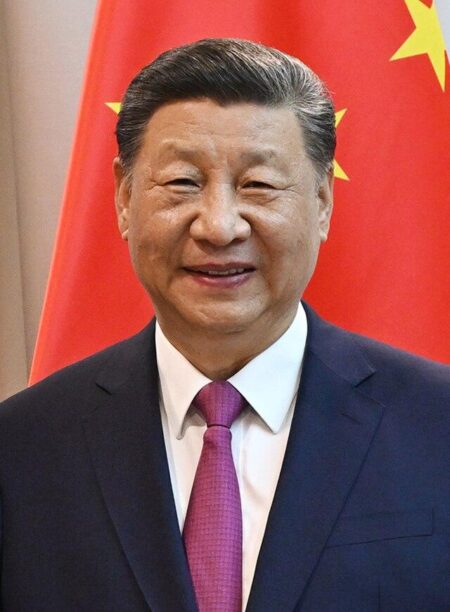
Xi Jinping’s recent visit to Russia has sparked a wave of tension between China and Europe, adding layers of complexity to Beijing’s diplomatic efforts. Experts caution that strengthening ties with Moscow may risk pushing away European allies, posing a significant challenge to China’s aspirations for greater influence across the continent
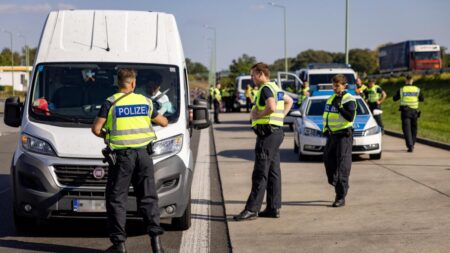
Germany’s Interior Minister has unveiled a bold new strategy: the country will now turn away undocumented migrants at its borders. This decisive action is part of a broader effort to strengthen immigration control in response to growing worries about security and integration. It marks a significant shift in Germany’s stance towards asylum seekers, reflecting the nation’s evolving priorities.
The European Union and the United Kingdom are gearing up for annual summits, as revealed in a draft statement. This exciting development highlights their commitment to strengthening cooperation and fostering dialogue in the wake of Brexit, all while navigating an ever-changing geopolitical landscape.
Italy is on the brink of a transformative moment as it prepares for crucial referendums that could redefine labor laws and citizenship criteria. These upcoming votes will tackle vital issues surrounding workers’ rights and pathways to citizenship, echoing the public’s strong call for reform. With anticipation building, the nation stands ready to face the consequences of these pivotal decisions.
Germany’s new chancellor, initially seen as reserved, is stepping into the spotlight with a surprisingly vibrant leadership style. As he tackles intricate domestic and international challenges, his remarkable adaptability could reshape the nation’s political landscape in exciting ways.
Poland is sounding the alarm over Germany’s recent introduction of new border checks, expressing worries that these actions could throw a wrench in the smooth operation of the EU’s single market. Officials are voicing their concerns that heightened barriers might obstruct the free flow of goods and services, potentially shaking up regional trade dynamics