

In a significant policy shift, President Javier Milei has lifted tight currency and capital controls in Argentina, aiming to stimulate economic growth. This move is expected to increase market confidence but may also raise concerns about inflation and financial stability.
Browsing: foreign investment

Exciting news for the tech landscape in Brazil! The country is gearing up to roll out enticing tax incentives designed to lure in data center investments. This strategic initiative aims to strengthen Brazil's tech infrastructure, positioning it as a vibrant and competitive hub for digital services across South America.

In a remarkable shift, U.S. investment firms have taken the lead as Madrid's largest landlords, dramatically transforming the city's rental landscape. This surge of American capital has sparked worries about housing affordability for residents as rents continue to climb

Exciting new trends reveal that more and more Portuguese citizens are seizing the opportunity to invest in properties across the border in Spain! This surge is fueled by attractive market conditions and a desire for a vibrant lifestyle. Analysts point out that this booming cross-border investment reflects not only economic opportunities but also the allure of living just a stone's throw away from home.

India is on the brink of seizing a substantial portion of U.S. business that has long been under China's influence, as companies actively search for alternatives in response to rising geopolitical tensions. With its competitive labor costs and an expanding market, India is set to become a pivotal player in the global supply chain landscape.

Tesla is actively pursuing a partnership with India to secure vital components for its electric vehicles. This strategic initiative not only aims to enhance local manufacturing but also to fortify supply chain resilience, showcasing India's emerging significance in the global EV landscape.

US Treasury's Bessent has voiced strong support for Argentina's ambitious economic reforms, highlighting their crucial role in stabilizing the nation as worries about China's expanding influence in the region mount. This initiative not only reflects a commitment to Argentina's progress but also aligns seamlessly with broader U.S. interests in bolstering economic partnerships across Latin America.

In Spain, a wave of excitement surrounding golden visas is igniting intense competition among investors eager to gain residency through real estate acquisitions. With the program's end looming on the horizon, potential buyers are in a frantic race against time to establish their presence in this thriving market.

In a significant economic shift, President Javier Milei has announced the end of Argentina's strict currency controls, known as the "cepo," following the IMF board's approval of a US$20-billion bailout. This move aims to restore market confidence amid ongoing financial turmoil.

Javier Milei, Argentina's newly elected president, is facing criticism for his efforts to reshape the nation’s historical narrative in a bid to attract foreign investment. Analysts warn that such moves could undermine Argentina's cultural identity and heritage.

India has reportedly denied BYD's entry into its electric vehicle market, as a government minister expressed a clear preference for Tesla. The decision underscores rising trade concerns while highlighting India's push for foreign investment in the EV sector.

Canada holds billions in U.S. real estate, but recent threats from former President Trump regarding border policies and trade could jeopardize these investments. Experts warn that uncertainty may deter future Canadian buyers, impacting the market significantly.

The Kremlin has revealed that American companies are beginning to take an interest in russian rare earth projects, signaling a potential shift in the landscape of global resource partnerships. As the demand for rare earth elements—critical components in a wide array of technologies from electric vehicles to smartphones—continues to rise, this advancement underscores the strategic importance of Russia’s untapped mineral wealth. Reuters reports that discussions are underway,highlighting an emerging avenue for collaboration despite the backdrop of geopolitical tensions adn economic sanctions. With the U.S. actively seeking to diversify its supply chains and reduce reliance on foreign nations, this newfound interest could reshape the dynamics of the rare earth market and enhance Russia’s position in the global economy. This article delves into the implications of this potential collaboration and the broader context in which it is unfolding.

ProPublica reveals that Elon Musk’s SpaceX has been quietly facilitating investment from Chinese entities, raising concerns about national security and technology transfer. This opaque financial maneuvering underscores the complex interplay between innovation and geopolitical risk.

China has invited U.S. business leaders to Beijing in a bid to gain insights into the trade strategies of former President Trump. This move reflects China's efforts to strengthen economic ties and navigate the complexities of U.S.-China relations amid evolving trade policies.

China’s criticism of the Hutchison deal escalates the stakes for the potential sale of TikTok to US investors. Beijing’s concerns highlight the geopolitical tensions surrounding tech ownership, complicating negotiations and raising questions about future regulations.

In a recent Bloomberg article, Escrivá highlighted Spain's appeal as a prime location for settlement, citing its robust quality of life, vibrant culture, and favorable economic environment. This sentiment reflects the increasing interest in Spain as a destination for expatriates.
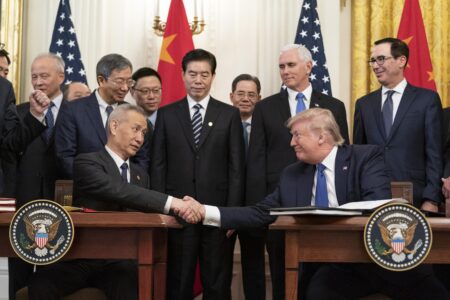
As US-China trade tensions escalate, African nations find themselves at a crossroads. With both superpowers seeking influence, countries must navigate complex trade dynamics, potentially reshaping their economies and diplomatic relations in the process.

In a bid to enhance economic growth, Governor Whitmer has announced strengthened ties with Spain, focusing on increasing foreign investment and job creation in Michigan. This partnership aims to attract Spanish businesses and foster innovation in key industries.

Foreign entrepreneurs seeking to establish businesses in Japan encounter a complex web of regulations and bureaucratic hurdles. Despite the country's vibrant market potential, navigating the intricate red tape poses significant challenges that can deter investment.