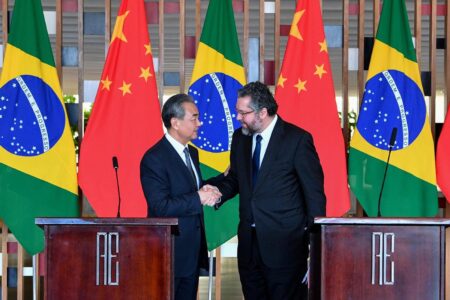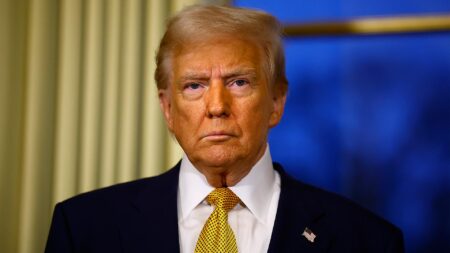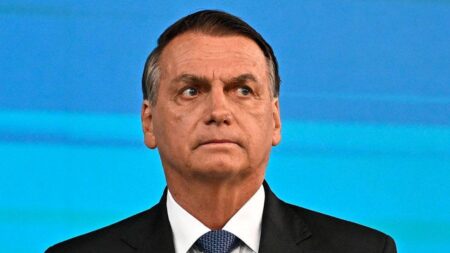
Brazil’s leader is gearing up for an exciting visit to Beijing, igniting buzz about a possible surge in China’s defense presence in Latin America. Experts believe this journey could open doors to stronger military partnerships as the region undergoes significant changes.
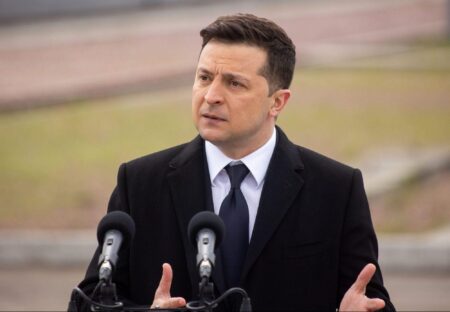
Browsing: foreign policy
Ukrainian President Volodymyr Zelenskyy held a pivotal meeting in Rome with Canada’s Mark Carney and Switzerland’s Karin Keller-Sutter, where they delved into the crucial topic of global support for Ukraine during these challenging times. The discussions centered around enhancing economic assistance and fostering diplomatic collaboration to strengthen Ukraine’s resilience amid the ongoing conflict.
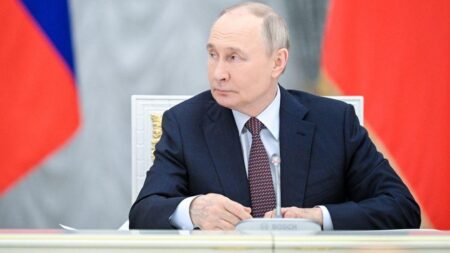
In a groundbreaking diplomatic initiative, Russian President Vladimir Putin is gearing up to host the very first Russia-Arab summit this October, as reported by Russian agencies. This pivotal event seeks to enhance relationships and cultivate collaboration between Russia and Arab nations in the face of evolving global dynamics.
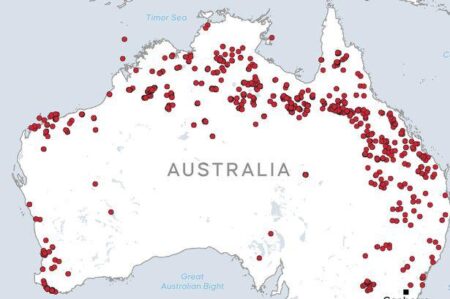
The Australian government has voiced its strong condemnation of the “sham trial” faced by Oscar Jenkins, an Australian citizen who was captured in Ukraine by Russian forces. Officials have denounced the proceedings as deeply unjust, urgently calling for his immediate release while reaffirming their unwavering support for Ukraine.
Brazil’s president is on a mission to forge powerful alliances with China, striving to create “indestructible” economic connections amidst the turbulence of the trade war sparked by Trump. This bold initiative marks a significant shift in focus towards Asia, as Brazil seeks stability and growth in an unpredictable global market.
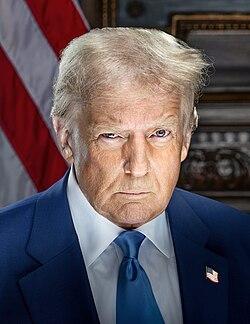
In a recent statement, former President Donald Trump revealed an exciting development: India has proposed the elimination of tariffs on U.S. goods! This bold move aims to bolster trade relations between the two nations. This revelation sheds light on the dynamic conversations surrounding international trade policies as global economic landscapes continue to evolve
In a stunning turn of events, President Trump has put the brakes on all preparations for the highly anticipated G20 Summit, sparking worries about the future of diplomatic relations. Experts caution that this bold move could undermine the U.S.’s position in the face of China’s expanding influence across the globe.
Australia has ramped up its travel warnings for the USA not once, not twice, but three times since April, highlighting escalating safety concerns in specific areas. According to the Australian Broadcasting Corporation, these updates are designed to keep travelers well-informed about potential risks they may encounter.
The UK has officially charged Myanmar’s exiled ambassador, Kyaw Zwar Minn, with trespassing at the country’s diplomatic residence in London. This dramatic incident highlights the escalating tensions that have followed the military coup in Myanmar and sparks important discussions about the sanctity of diplomatic protections.
Italy’s potential entry into the Three Seas Initiative promises to ignite regional collaboration, fortify energy security, and deepen economic connections with Central and Eastern European nations. This move could elevate Italy to a key role in tackling strategic challenges across Europe
In a world filled with unpredictability, the intriguing question arises: does the United States truly ‘need’ Canada? With their economies deeply connected and a sprawling border uniting them, Canada is becoming an essential partner for the U.S., especially when it comes to security and trade.
Under Prime Minister Modi’s leadership, India’s military doctrine has experienced a remarkable evolution, focusing on modernization and self-reliance. This strategic shift is designed to bolster deterrence capabilities and position India as a dominant force in the ever-changing landscape of regional security
In a stunning twist, Trump joyfully hailed the resolution of a long-standing conflict, but India’s leaders expressed deep feelings of betrayal. This unexpected announcement has ignited tensions, underscoring the intricate web of international diplomacy and the delicate balance of regional stability
French President Emmanuel Macron has issued a stark warning: if hostilities in Ukraine persist, Russia could be hit with even more sanctions. During a recent press conference, he passionately underscored the critical importance of achieving a ceasefire to bring much-needed stability back to the region.
In the wake of Donald Trump’s bold proposal to engage in potential Russia-Ukraine peace talks, a surge of diplomatic discussions has ignited. World leaders are now carefully considering the ramifications of his involvement, as the dialogue surrounding conflict resolution heats up.
In a bold move, China has skillfully countered former President Donald Trump’s trade and diplomacy tactics, marking the dawn of a new era in U.S.-China relations. Experts believe this shift showcases China’s rising confidence and assertiveness on the world stage.
U.S. relations with Argentina are more crucial than ever, centering on vibrant trade partnerships, regional security initiatives, and the urgent fight against climate change. Recent discussions have underscored a mutual dedication to democracy and sustainable development, as both countries strive to deepen their bilateral connections.
France has voiced its backing for a thorough review of the EU-Israel trade agreement in light of the intensifying violence in Gaza. This stance highlights the increasing apprehension regarding the humanitarian crisis unfolding in the region, prompting European nations to reevaluate their diplomatic relationships with Israel.
In a remarkable turn of events, India and Pakistan have reached a historic agreement for a “full and immediate ceasefire,” signaling an end to the ongoing hostilities that have plagued the region. Former President Donald Trump lauded this pivotal development, highlighting the crucial need for lasting peace in this vital area of the world.
Former President Donald Trump is urging Ukraine to open the door to dialogue with Russia, highlighting the importance of negotiations rather than simply seeking a ceasefire. His comments arrive amidst escalating tensions, sparking curiosity about what this could mean for the future of the conflict in the region.