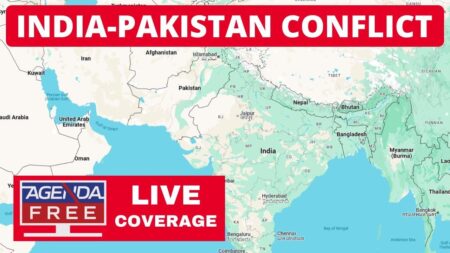
The Council on Foreign Relations emphasizes the critical need for the U.S. to tread carefully in the complex India-Pakistan conflict. With tensions on the rise, even a small miscalculation could threaten not only regional stability but also vital U.S. interests. This situation highlights the importance of thoughtful and strategic diplomatic efforts.
Browsing: foreign policy
France is urging calm as tensions between India and Pakistan escalate, calling on both countries to come together for dialogue to ease the situation. This appeal comes in light of increasing clashes that have sparked worries about regional stability and security.
Polish President Andrzej Duda has passionately called on former President Donald Trump to leverage “economic instruments” to ramp up pressure on Russia, as tensions in Eastern Europe continue to escalate. Duda’s appeal underscores the urgent need for a united global front against Russian aggression.
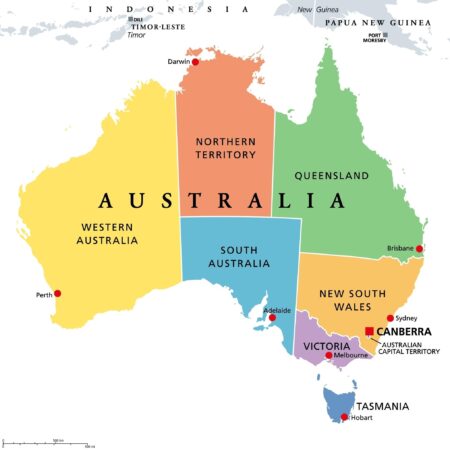
China has warmly congratulated Australia’s Labor Party on their recent electoral triumph. This friendly gesture hints at a promising shift in diplomatic relations, as both countries aim to strengthen their ties and move beyond previous tensions
In a recent statement, former President Trump largely brushed aside the idea of military action against Canada, but intriguingly hinted that all options are still on the table. This provocative comment has ignited a flurry of speculation regarding the future of U.S.-Canada relations
Former President Trump has sparked excitement with the announcement of “potential deals” on the horizon with India, South Korea, and Japan. This bold statement marks a renewed emphasis on international relations and trade partnerships. Made during a recent event, his comments underscore his enduring impact on global trade discussions.
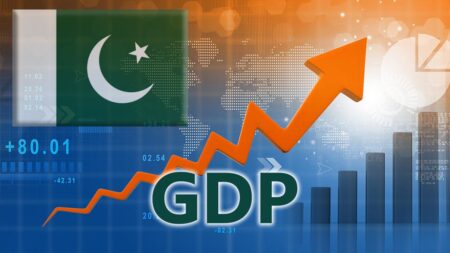
In a major blow to Pakistan’s economy, India has taken the drastic step of blocking $500 million in Pakistani goods from entering its market through third countries. This bold move is set to deepen the already tense trade relations between the two nations and poses a serious risk to Pakistan’s economic stability.
Australia’s re-elected government has made it clear that steering through the turbulent waters of the US-China trade war is its foremost priority. Leaders are passionately highlighting the importance of strengthening ties with both economic powerhouses, all while fiercely protecting Australia’s interests in this climate of escalating tensions.
Amid escalating regional tensions, Nikkei Asia emphasizes that Japan must take a fresh look at its security dependence on Washington. With the geopolitical landscape evolving rapidly, Japan is confronted with an urgent call to develop a more independent defense strategy to protect its national interests.
Japan and Sri Lanka have joined forces to enhance collaboration between their defense forces, a move designed to fortify regional security and boost defense capabilities. This exciting partnership underscores their mutual dedication to maintaining stability in the Indo-Pacific region, especially in light of the shifting geopolitical landscape.
In a crucial turning point for global governance, Tangle News highlights the pressing need for the United States to protect democratic ideals at home and abroad. With challenges to democratic institutions on the rise, taking proactive steps is vital to ensure their continued existence.
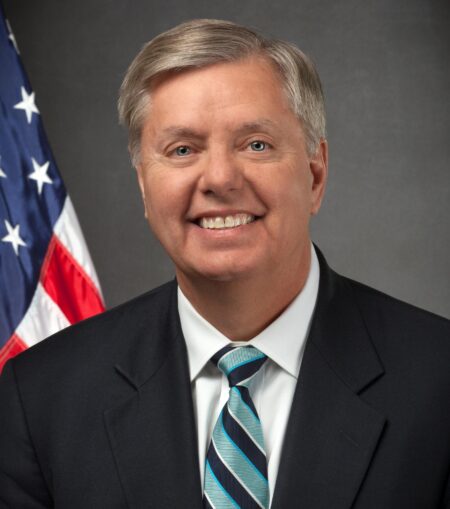
In a bold step to ramp up pressure on Moscow, Senator Lindsey Graham is advocating for fresh sanctions against Russia, highlighting the urgent need for a united global front. These proposed measures are designed to ensure that Russia faces consequences amid escalating geopolitical tensions.
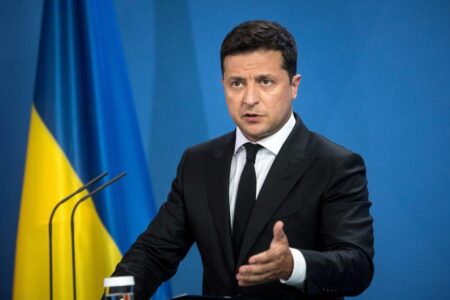
Ukrainian President Volodymyr Zelenskyy has firmly dismissed calls for a brief truce, declaring that he will not participate in what he refers to as “Putin’s games.” His resolute statement highlights Ukraine’s unwavering determination to stand strong against external pressures during the ongoing conflict with Russia.
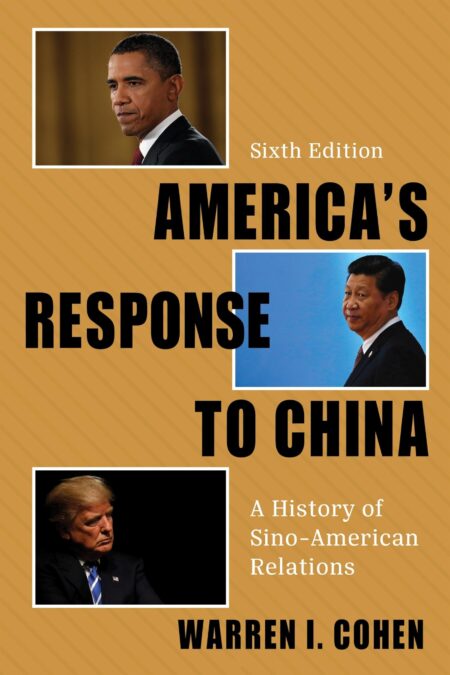
Warren I. Cohen, a towering figure in the study of U.S.-China relations, has sadly passed away at the age of 90. His profound research and insightful writings have left an indelible mark on our understanding of the intricate dynamics that define the relationship between these two powerful nations.
In “The Russia That Putin Made,” Foreign Affairs delves into the intricate tapestry of Moscow’s ties with the West. The article emphasizes that a pragmatic approach to engagement is crucial for fostering coexistence, shedding light on the persistent illusions that obstruct meaningful dialogue
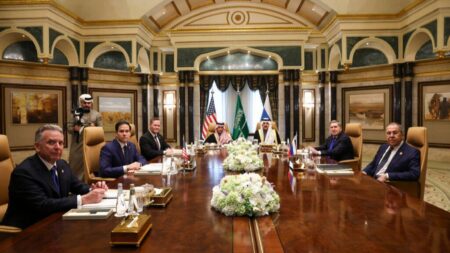
Senator Marco Rubio is taking proactive steps by reaching out to officials in both India and Pakistan, striving to calm the rising tensions after a recent attack in Kashmir. These crucial discussions are focused on promoting dialogue and finding ways to de-escalate hostilities in this volatile region.
The U.S. has officially stepped back from negotiations intended to foster peace between Ukraine and Russia, a decision that sparks worries about rising tensions in the region. Detractors caution that this withdrawal may extend the conflict and obstruct potential diplomatic resolutions.
Top U.S. officials have once again emphasized the urgent need for Ukraine and Russia to come together and prioritize peace negotiations as tensions continue to rise. This renewed call for diplomacy seeks to prevent further conflict and pave the way for stability in the region, encouraging both nations to engage in constructive dialogue.
In a captivating recent article, The Atlantic delves into the potential repercussions of Trump’s policies, suggesting we might be on the brink of a new “China shock.” This phenomenon echoes the economic upheavals experienced in the early 2000s. Experts are sounding the alarm, indicating that these shifting trade dynamics could profoundly affect American industries and job markets.
In the wake of a tragic attack in Kashmir, the already fraught relationship between India and Pakistan is reaching new heights of tension. As the situation unfolds, there are growing calls for urgent dialogue to prevent further escalation. Experts caution that without immediate action towards peace and reconciliation, this incident could plunge the region into deeper instability.