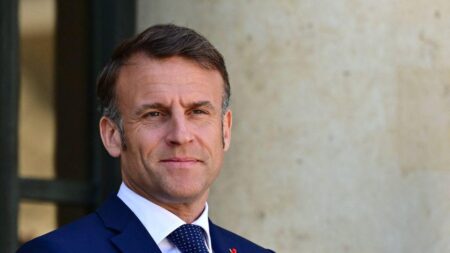
In a pivotal move aimed at addressing the ongoing crisis in Gaza, French President emmanuel Macron is set to convene…
Browsing: foreign policy
In a recent statement, former Finnish Prime Minister Alexander Stubb urged France and the UK to initiate dialogue with Russia regarding the ongoing conflict in Ukraine. He emphasized that engagement could pave the way for a diplomatic resolution in the region.
Australia faces a rising threat of jihadist conflict, as intelligence reports indicate a surge in extremist activities. Authorities are increasingly concerned about homegrown terrorism, prompting urgent calls for enhanced security measures nationwide.
In a recent statement, Javier Milei emphasized that Argentina’s sovereignty claim over the Malvinas Islands is integral to positioning the nation as a regional power. He argued that reclaiming the islands is essential for national pride and economic strength.
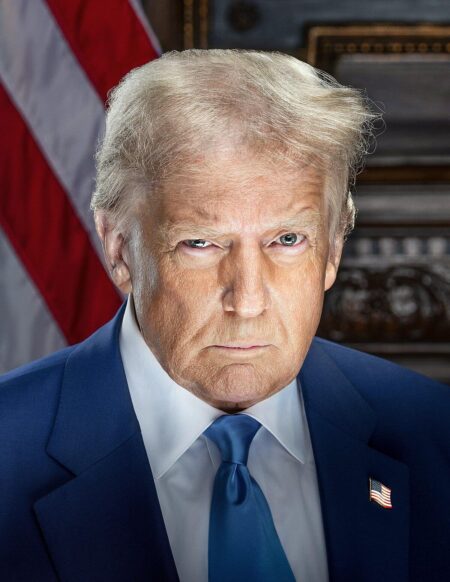
In a recent statement, former President Donald Trump declared he would not engage in “endless negotiations” with Russia regarding the Ukraine war. His remarks highlight a critical stance on diplomatic efforts amid ongoing conflict and international tensions.
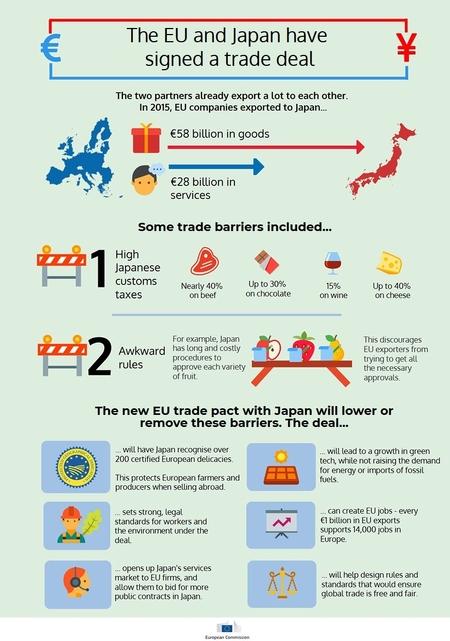
In a significant trade move, President Trump has announced plans to impose a 24% tariff on imports from Japan, with a minimum 10% tariff affecting all countries. This decision aims to address trade imbalances and protect domestic industries, raising concerns among global trade partners.
UK Foreign Secretary James Cleverly has called on Kosovo and Serbia to expedite their normalization talks, emphasizing the importance of dialogue for regional stability. His remarks come amid ongoing tensions and negotiations aimed at fostering cooperation.
In a sweeping move, former President Trump’s new trade order imposes tariffs of at least 54 percent on Chinese imports. This escalation in trade tensions could significantly impact U.S.-China relations and global markets. Stakeholders are bracing for potential economic repercussions.
Former President Trump’s recent threat to impose tariffs on Russian oil has intensified pressure on Vladimir Putin, potentially accelerating negotiations for a peace deal with Ukraine. Experts suggest that heightened economic constraints may drive Russia to reconsider its stance.
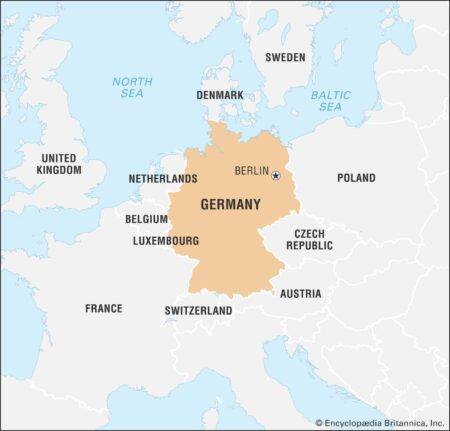
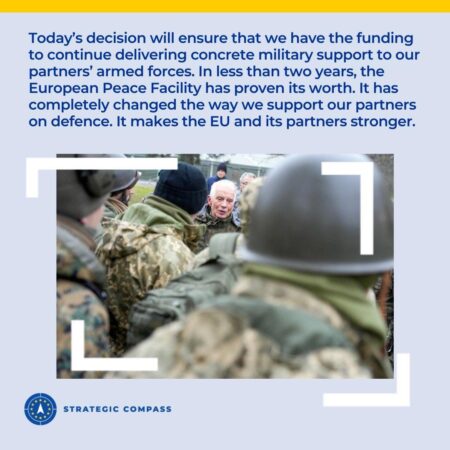
Germany has announced a significant allocation of over €8 billion in military aid to Ukraine, reinforcing its support amid ongoing conflict. This funding aims to enhance Ukraine’s defense capabilities and underscores Germany’s commitment to regional stability.
In a recent address, Chinese President Xi Jinping emphasized the importance of strengthening ties between China and India, likening the partnership to a “Dragon-Elephant tango.” He called for greater cooperation in various sectors to enhance regional stability and economic growth.
Observers are raising concerns over escalating tensions in the South China Sea and Taiwan, as US allies strengthen their ties amid regional uncertainties. Increased military maneuvers and strategic partnerships could heighten risks of confrontation in the area.
Finland’s president has emphasized the need for a strong stance against Russia amid escalating threats to European security. Highlighting a growing regional tension, he calls for unity and decisive action to address the challenges posed by Moscow’s aggressive posture.
In a recent announcement, Hegseth outlined plans for significant upgrades to U.S. military command facilities in Japan. This strategic move aims to bolster deterrence against increasing Chinese military activities in the region, enhancing readiness and cooperation with allies.
China, Japan, and South Korea are expressing a strong desire to enhance trilateral cooperation, focusing on economic ties and regional stability. Leaders from the three nations emphasize collaboration in areas such as trade, investment, and cultural exchange to strengthen their diplomatic relations.
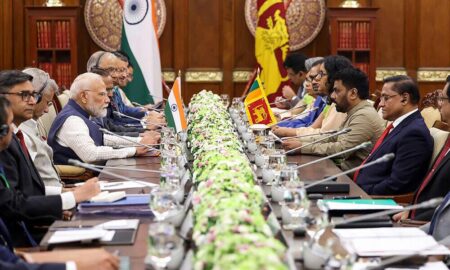
In the backdrop of heightened tensions, Indian Prime Minister Narendra Modi seeks to navigate a complex geopolitical landscape to foster improved relations with China. With ongoing border disputes and economic challenges, a thaw could reshape regional stability and cooperation.
During the recent General Assembly of the United Nations, the United Kingdom of Great Britain and Northern Ireland emphasized its commitment to global cooperation and tackling pressing issues such as climate change, security, and human rights.
In the ongoing tensions between Ukraine and Russia, both nations seem to engage in a strategic blame game reminiscent of political maneuvering seen in the Trump era. Each side points fingers, complicating peace negotiations as diplomatic efforts stall.
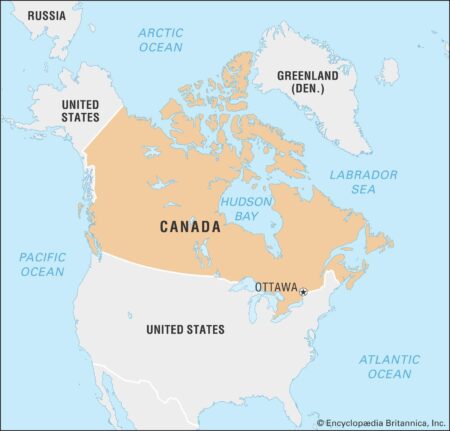
Russia and China are capitalizing on Canada’s perceived negligence in the Arctic, expanding their territorial ambitions and influence in the region. With climate change opening new waterways, the stakes for national security and resource access are rising.
A recent AP-NORC survey highlights that the UK and Canada are perceived as the United States’ closest allies. This strong alliance reflects shared values, security cooperation, and economic ties, reinforcing the importance of transatlantic relationships in global politics.