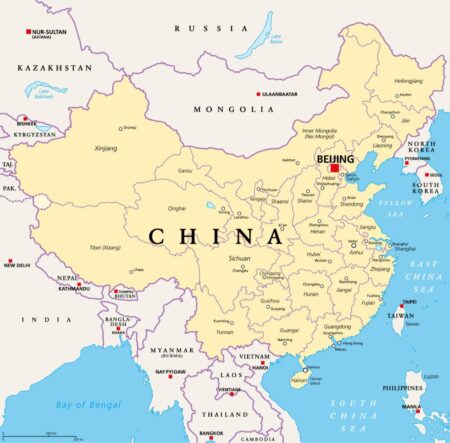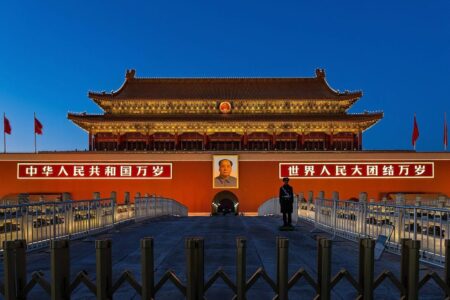
China, Japan, and South Korea are expressing a strong desire to enhance trilateral cooperation, focusing on economic ties and regional stability. Leaders from the three nations emphasize collaboration in areas such as trade, investment, and cultural exchange to strengthen their diplomatic relations.
Browsing: foreign policy
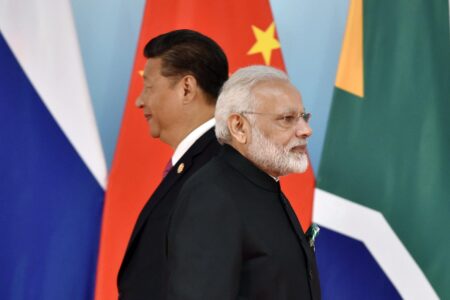
In the backdrop of heightened tensions, Indian Prime Minister Narendra Modi seeks to navigate a complex geopolitical landscape to foster improved relations with China. With ongoing border disputes and economic challenges, a thaw could reshape regional stability and cooperation.
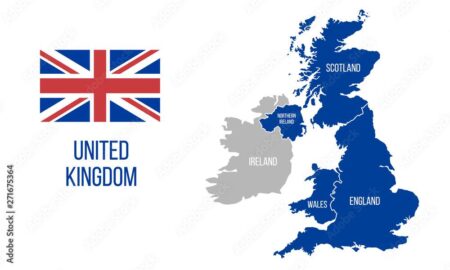
During the recent General Assembly of the United Nations, the United Kingdom of Great Britain and Northern Ireland emphasized its commitment to global cooperation and tackling pressing issues such as climate change, security, and human rights.
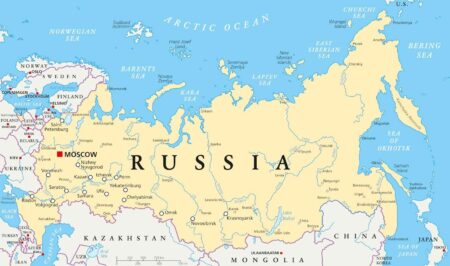
In the ongoing tensions between Ukraine and Russia, both nations seem to engage in a strategic blame game reminiscent of political maneuvering seen in the Trump era. Each side points fingers, complicating peace negotiations as diplomatic efforts stall.
Russia and China are capitalizing on Canada’s perceived negligence in the Arctic, expanding their territorial ambitions and influence in the region. With climate change opening new waterways, the stakes for national security and resource access are rising.
A recent AP-NORC survey highlights that the UK and Canada are perceived as the United States' closest allies. This strong alliance reflects shared values, security cooperation, and economic ties, reinforcing the importance of transatlantic relationships in global politics.
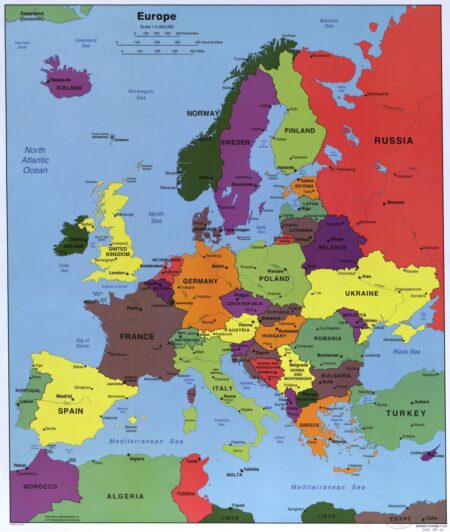
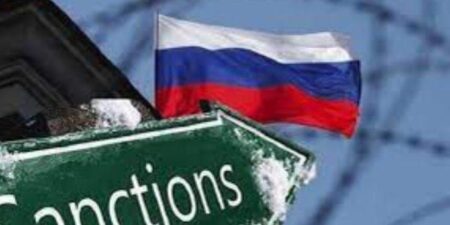
European leaders have unanimously stated that now is not the opportune moment to lift sanctions against Russia. This consensus reflects ongoing concerns over the nation's actions and signals a commitment to maintaining pressure until compliance is achieved.
In response to rising geopolitical tensions, particularly Trump's favorable stance towards Putin, Germany is reconsidering its nuclear strategy. This shift highlights the country's desire for greater security amid uncertainties in international alliances.
China and France are set to engage in high-level strategic and economic dialogues later this year, aiming to strengthen ties and enhance cooperation on key global issues. The discussions reflect both nations' commitment to fostering bilateral relations.
Former President Donald Trump expressed sharp criticism over Brazil's recent proposal to expand the BRICS economic bloc, labeling it a challenge to U.S. influence. Trump's remarks highlight rising tensions in global geopolitics as nations explore alternative alliances.
In a strategic maneuver, Brazil's President Jair Bolsonaro has sought foreign assistance in his latest overture to Donald Trump. This move aims to bolster bilateral relations, signaling Bolsonaro's intent to align closely with the former U.S. president’s policies.
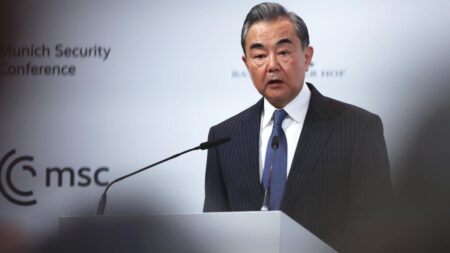
In a recent statement, a senior Chinese diplomat addressed U.S. critics of China's policies, inviting them to visit the country firsthand. He emphasized the importance of direct engagement for a clearer understanding of China's complexities and advancements.
In a recent discussion, Landau engaged with Spain's Global Affairs Chief, addressing key issues such as international collaboration, climate change, and economic challenges. The dialogue aims to strengthen bilateral relations and foster shared global solutions.
Seizing Russian assets, while appealing in theory as a response to international aggression, presents significant legal and logistical challenges. This complexity involves navigating international law, diplomatic repercussions, and potential retaliation, complicating enforcement efforts.
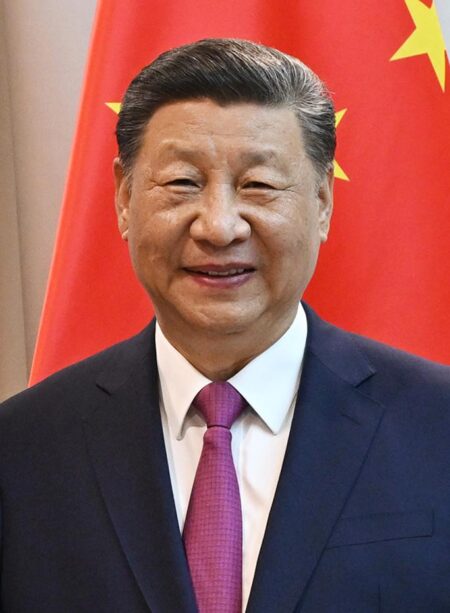
In a strategic move ahead of the anticipated unveiling of fresh tariffs by President Trump, Chinese President Xi Jinping has launched a charm offensive, seeking to strengthen diplomatic ties and showcase China's global leadership.
Russia's strategic maneuvers in U.S.-led peace talks reveal a calculated approach that leverages disinformation and diplomatic feints, allowing it to shape narratives and gain concessions. This method not only undermines Western unity but also bolsters Moscow's geopolitical influence.
In seeking Greenland, Trump eyes strategic military advantages, a wealth of rare minerals crucial for technology, and control over important trade routes. The acquisition reflects broader geopolitical interests and the U.S. commitment to Arctic dominance.
Algeria has called on Spain to rethink its backing of Morocco's autonomy proposal for Western Sahara. The request reflects ongoing tensions in the region, as Algeria emphasizes the need for a fair and negotiated resolution to the territorial dispute.
French President Emmanuel Macron has pledged €2 billion in military aid to Ukraine ahead of an upcoming security summit. This significant support underscores France's commitment to bolstering Ukraine's defense amid ongoing conflict concerns.
Ukrainian President Volodymyr Zelenskiy has accused Russia of manipulating diplomatic agreements facilitated by the United States, undermining efforts to reach a resolution in the ongoing conflict. This statement highlights ongoing tensions in the region.