The recent discussions at the Council on Foreign Relations highlight the intricate relationship between the iPhone's global supply chain, the IMF's fiscal policies, and China's shifting balance of payments, signaling potential implications for international trade dynamics.
Browsing: foreign policy
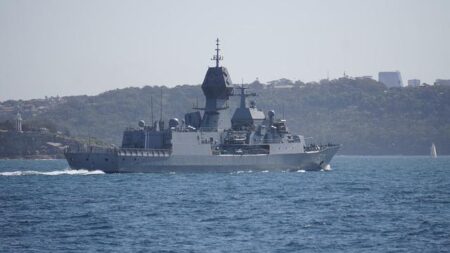
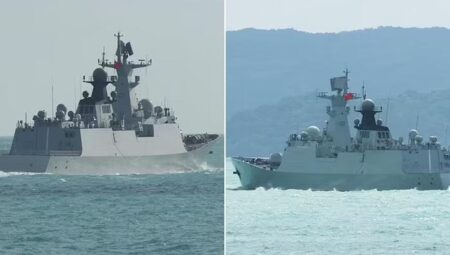
China's recent live-fire naval exercises have sparked concern in Australia and New Zealand, despite no violations of international law. Analysts suggest regional security fears and the potential for escalated tensions in the Indo-Pacific are driving these apprehensions.
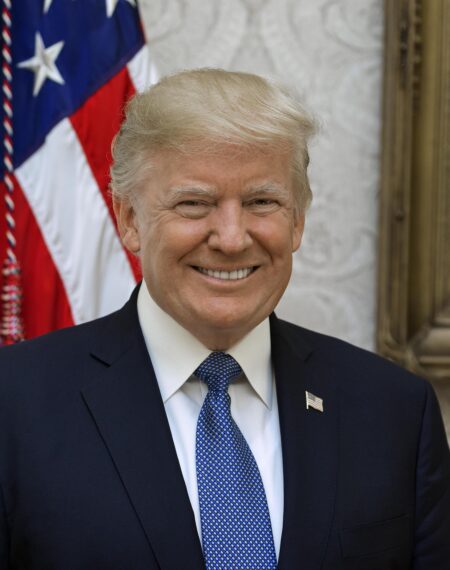
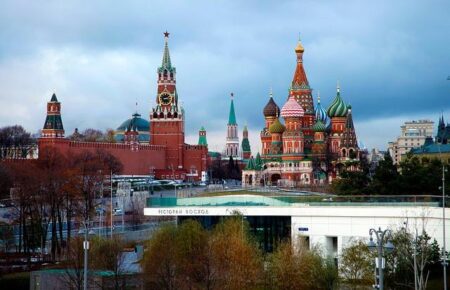
In a recent meeting with French President Emmanuel Macron, former President Donald Trump hinted at a potential visit to Russia. The discussions focused on international relations, highlighting Trump's interest in reconnecting with Moscow amidst ongoing geopolitical tensions.
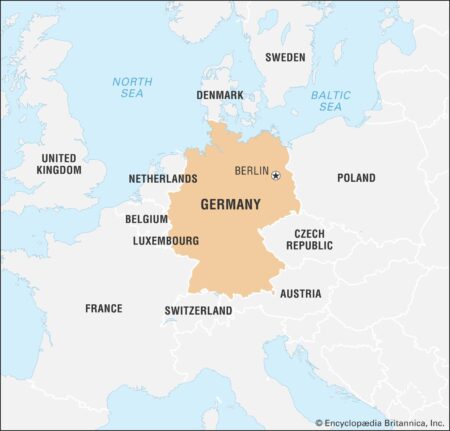
Germany's new leader has announced plans to pursue greater independence from the United States, signaling a shift in foreign policy. This move aims to enhance national sovereignty and strengthen ties with other global partners in a changing geopolitical landscape.
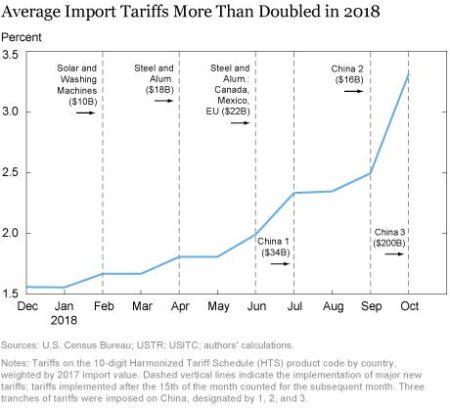
As the U.S. imposes tariffs and tightens trade restrictions, China is strategically opening its markets, seeking greater global economic integration. This contrasting approach may reshape international trade dynamics, highlighting a pivotal shift in global economic policy.
As tensions escalate in the Ukraine conflict, European leaders are implementing strategies to safeguard Ukraine from potential shifts in U.S. policy under Donald Trump. Enhanced diplomatic support and military aid are central to their efforts in maintaining stability.
As the third anniversary of Russia’s invasion of Ukraine approaches, individuals and communities are urged to engage in solidarity efforts. Advocacy, donations, and raising awareness can significantly impact the lives of those affected by the ongoing conflict.
As Chinese warships conduct live-fire exercises in the region, Australia faces a critical juncture in its defense strategy. Experts advocate for a balanced response, combining diplomatic engagement with strengthened military readiness to safeguard national interests.
In a landscape marked by international tensions and shifting alliances, Donald Trump's foreign policy approach raises alarms. From Canada to Ukraine, his administration’s decisions echo across borders, prompting global leaders to reassess their strategies.
Britain is set to impose new sanctions targeting individuals with ties to the Kremlin, signaling robust support for Ukraine amid ongoing conflict. The move aims to hold accountable those contributing to Russia's aggression and reinforce international solidarity.
In a recent joint press availability, U.S. Secretary of State Antony J. Blinken and U.K. Foreign Secretary David Lammy emphasized the importance of transatlantic cooperation. They discussed shared challenges and reaffirmed their commitment to promoting global stability and security.
In the ongoing conflict in Ukraine, neither side has secured a decisive victory, perpetuating a deadly stalemate. Factors such as entrenched positions, international dynamics, and shifting alliances hinder progress, leaving the nation in a protracted state of uncertainty.
In a recent Chatham House report, experts outline key strategies for the UK to bolster its support for Ukraine and European security. Recommendations include increased military aid, stronger sanctions on Russia, and enhanced diplomatic efforts to unite allies against aggression.
At a tense G20 meeting, U.K. Foreign Secretary expressed doubts about Russia's commitment to peace, highlighting ongoing conflicts. The remarks underscore escalating tensions and the challenges in international diplomacy amid the Ukraine crisis.
In a significant diplomatic development, senior Russian diplomat Mikhail Galuzin announced that representatives from Russia and the United States are scheduled to meet again within two weeks. The talks aim to address ongoing tensions and foster dialogue between the two nations.
Former President Donald Trump has shifted his stance, acknowledging that Russia launched an unprovoked attack on Ukraine. This marks a significant change from his previous remarks, reflecting an evolving narrative surrounding the ongoing conflict.
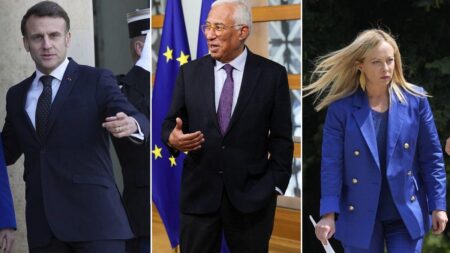
In a recent statement, French President Emmanuel Macron cautioned former U.S. President Donald Trump against showing weakness towards Russia’s Vladimir Putin. As France embarks on a “new era” in its foreign policy, Macron emphasized the need for resilience and unity among Western allies.
The U.S. is urging Ukraine to revise its U.N. resolution condemning Russia's actions, seeking to address concerns about its diplomatic implications. This move aims to strengthen international support while navigating complex geopolitical tensions.
Italy's Prime Minister emphasized the enduring bond between the US and Europe, even amid rising tensions under Trump. He noted that collaboration on security and economic issues remains vital, reinforcing transatlantic ties despite political differences.
The NDIA emphasizes that while AUKUS reforms are progressing, significant challenges remain. Effective collaboration, resource allocation, and policy alignment among the U.S., UK, and Australia are crucial for the partnership's long-term success in national defense.