In a bold move, Argentina’s President Javier Milei is forging a new alliance with the United States, aiming to secure vital support for his groundbreaking reforms. This partnership is set to enhance Argentina’s economic resilience as it navigates through persistent challenges.
Browsing: geopolitical strategy
Former President Trump has sparked excitement with the announcement of “potential deals” on the horizon with India, South Korea, and Japan. This bold statement marks a renewed emphasis on international relations and trade partnerships. Made during a recent event, his comments underscore his enduring impact on global trade discussions.
Amid escalating regional tensions, Nikkei Asia emphasizes that Japan must take a fresh look at its security dependence on Washington. With the geopolitical landscape evolving rapidly, Japan is confronted with an urgent call to develop a more independent defense strategy to protect its national interests.
Japan and Sri Lanka have joined forces to enhance collaboration between their defense forces, a move designed to fortify regional security and boost defense capabilities. This exciting partnership underscores their mutual dedication to maintaining stability in the Indo-Pacific region, especially in light of the shifting geopolitical landscape.
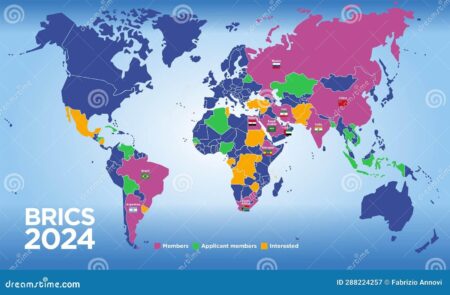
BRICS nations are embarking on an exciting new initiative to strengthen the global economy, as revealed by a Brazilian official. This groundbreaking mechanism is designed to boost financial collaboration among member countries, marking a strategic step towards amplifying their collective impact in international markets.
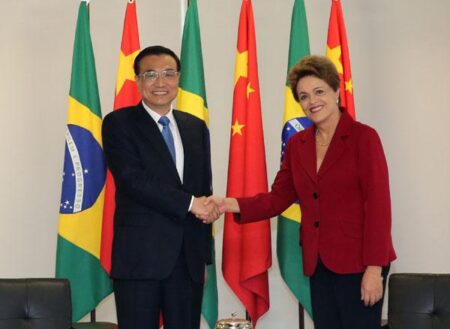
In a bold step to enhance their partnership, Chinese President Xi Jinping and Brazilian President Luiz Inácio Lula da Silva have ramped up their meetings, forging stronger connections as they navigate the shifting landscape of U.S. politics with the potential return of Donald Trump.
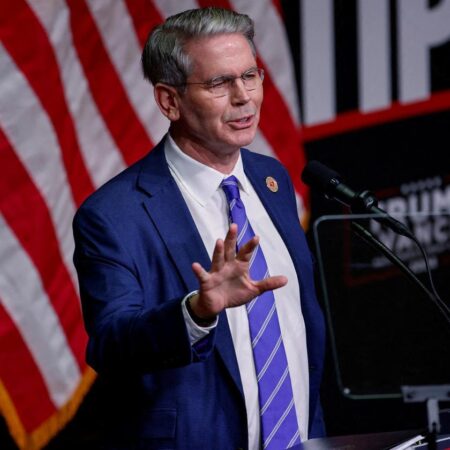
In a strategic move, Bessent has unveiled a ‘Grand Encirclement’ plan aimed at countering China’s influence. This ambitious initiative seeks to strengthen alliances and enhance regional stability, reflecting growing concerns over geopolitical tensions.
Spain’s Prime Minister Pedro Sanchez urged the European Union to reevaluate its relationship with China, emphasizing the need for a more unified approach in addressing economic and geopolitical challenges posed by Beijing.
The UK and Australia have announced a strategic partnership to develop next-generation weapons systems, enhancing military capabilities and addressing emerging threats. This collaboration aims to strengthen defense ties between the two nations amid evolving global security challenges.
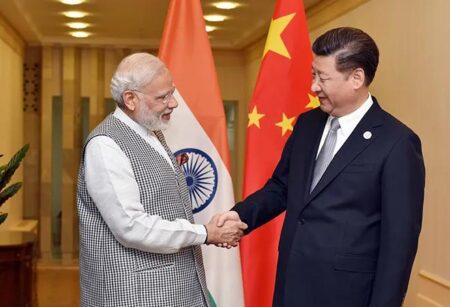
In a recent address, Chinese President Xi Jinping emphasized the importance of strengthening ties between China and India, likening the partnership to a “Dragon-Elephant tango.” He called for greater cooperation in various sectors to enhance regional stability and economic growth.
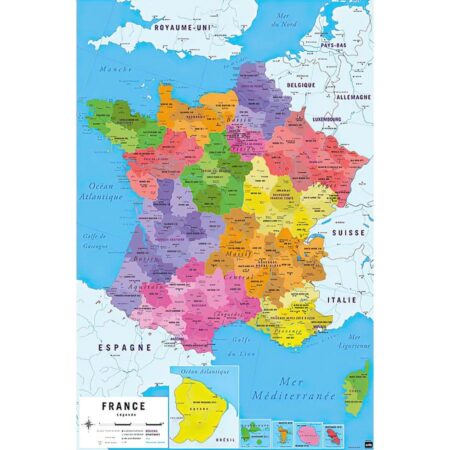
Czech Prime Minister Petr Fiala has declared France and the UK as the new leaders of hard power in Europe. His remarks highlight a shifting geopolitical landscape, with the two nations taking a more assertive role in regional security and defense strategy.
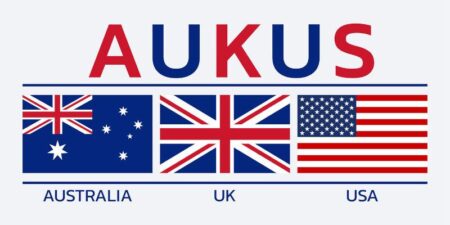
AUKUS marks a pivotal shift in defense collaboration among Australia, the U.S., and the U.K. as they enhance military capabilities through advanced technologies, including submarine development, signaling a united front against emerging global threats.
Seizing Russian assets, while appealing in theory as a response to international aggression, presents significant legal and logistical challenges. This complexity involves navigating international law, diplomatic repercussions, and potential retaliation, complicating enforcement efforts.
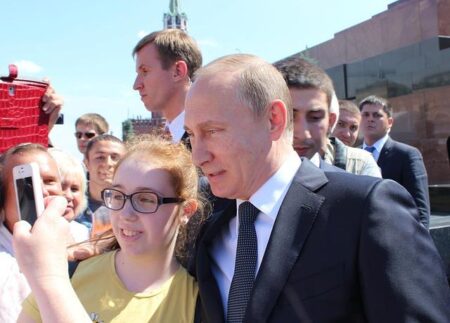
Despite ongoing geopolitical tensions, Russian President Vladimir Putin is signaling a willingness to enhance Arctic cooperation. He emphasizes the region’s strategic importance for trade and resource development, seeking collaborative efforts amidst global rivalries.
In light of the growing divisions fueled by former President Trump’s policies, the G7 nations are leveraging the “China card” to foster unity. By addressing shared concerns regarding China’s influence, they aim to reinforce collaboration among member states.
China is urging Japan and South Korea to enhance trade relations as a strategic response to global uncertainties. This initiative aims to strengthen economic ties and foster collaboration amid rising geopolitical tensions, highlighting the region’s interconnectedness.
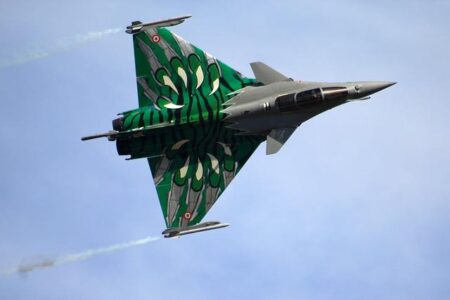
French President Emmanuel Macron announced plans to increase orders for Rafale fighter jets, emphasizing the need to enhance national defense capabilities. The move reflects France’s commitment to bolstering its military strength amid growing global security concerns.
In the wake of the Quad’s strategic discussions, India is poised to join a new military coalition focused on the South China Sea. This initiative aims to enhance regional security and address growing concerns over China’s assertive maritime activities.
Germany’s parliament has passed a landmark package aimed at significantly increasing defense spending. This move is intended to bolster military capabilities and respond to shifting security dynamics in Europe, reflecting a commitment to NATO obligations.
Britain has emerged as a leading advocate for strengthening European support for Ukraine amid ongoing tensions with Russia. As discussions intensify, UK officials emphasize the need for coordinated military and humanitarian aid to bolster Ukraine’s resilience and stability.