

Russian wargames near NATO borders have sharply escalated tensions after a drone incursion into Poland, igniting widespread fears about regional security and intensifying urgent demands to strengthen alliance defenses, Bloomberg reports
Russian wargames near NATO borders have sharply escalated tensions after a drone incursion into Poland, igniting widespread fears about regional security and intensifying urgent demands to strengthen alliance defenses, Bloomberg reports
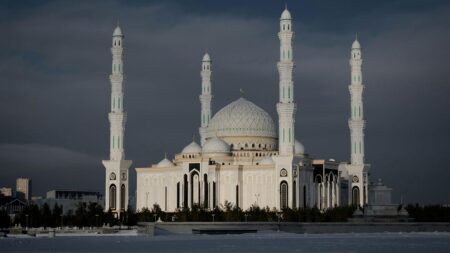
Opinion | Analysts spotlight the China-led Shanghai Cooperation Organisation (SCO) as a dynamic force reshaping the global order, boosting regional stability, and sparking unprecedented cooperation amid rising geopolitical tensions
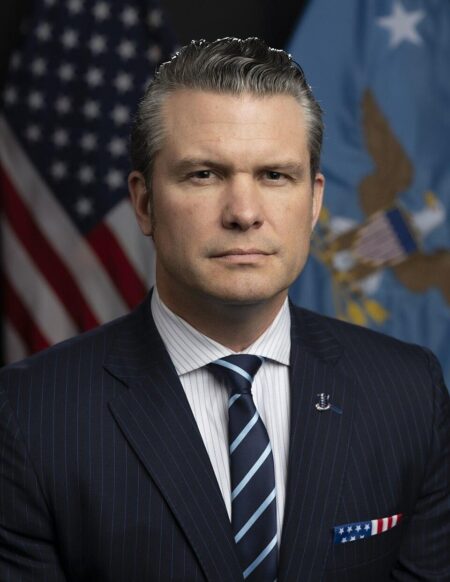
Fox News reports that Hegseth issued a striking warning to China during his first call following Xi Jinping’s military parade, urging heightened vigilance amid rising geopolitical tensions
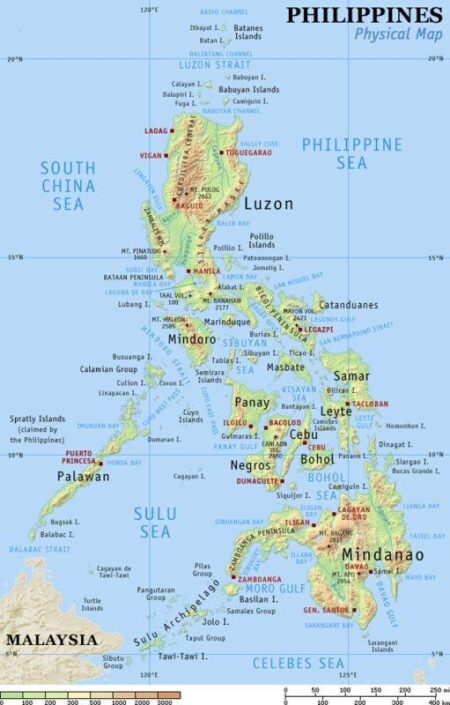
The Asia Pacific Foundation of Canada highlights the vital role of the Philippines and Canada, revealing their growing economic ties and strengthening partnership in the vibrant and ever-changing Asia-Pacific region
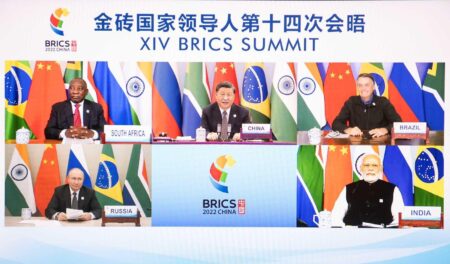
The American Enterprise Institute pushes back against fears of a united India-China-Russia alliance, arguing that such concerns are greatly exaggerated. Despite some overlapping strategic interests, deep-rooted conflicts and contrasting priorities make a formal partnership between these nations highly unlikely
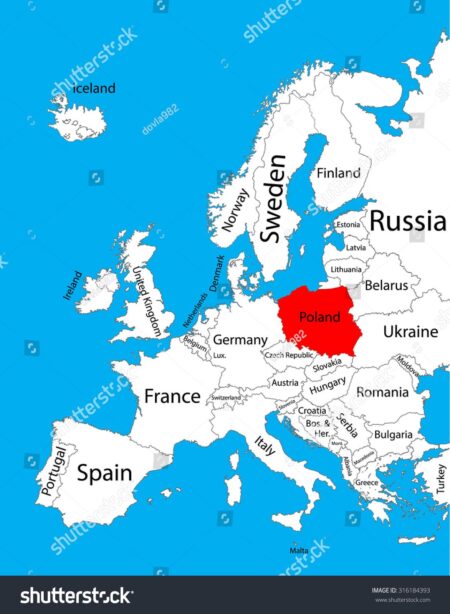
Poland and its allies have successfully intercepted a “huge number” of Russian drones amid rising tensions, denouncing the attacks as a daring “act of aggression.” This alarming escalation underscores growing concerns over regional security, Euronews reports

Photos reveal Russian naval vessels closely tailing US and NATO warships in the Atlantic, spotlighting rising maritime tensions amid escalating geopolitical rivalries, according to Newsweek sources

A new Lowy Institute report reveals Australians’ pragmatic view of China, expertly navigating robust economic ties alongside strategic caution in a region marked by growing tensions. Realism shapes public sentiment on Canberra’s China policy
Former President Donald Trump is turning up the heat on Russia, hinting at even tougher sanctions on the horizon. He cautions that India’s oil dealings with Moscow could face increased scrutiny, suggesting a potential shake-up in the economic ties between the U.S., India, and Russia
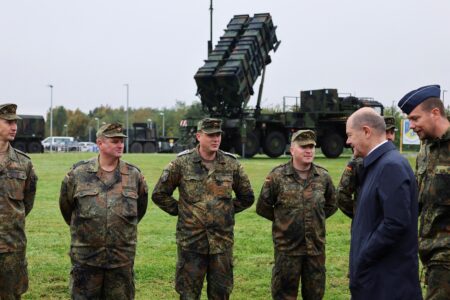
Germany’s military is launching an ambitious transformation to tackle rising global tensions head-on. Yet, experts warn that logistical challenges, limited budgets, and political conflicts could stall progress and jeopardize Europe’s security
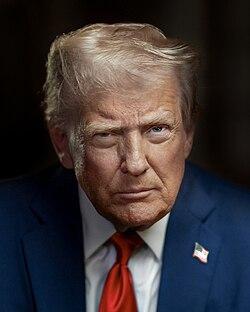
Former U.S. President Donald Trump sounded the alarm, warning that India and Russia seem to be falling deeper into the clutches of a “deepest, darkest China,” highlighting escalating geopolitical tensions, Reuters reports. His remarks underscore growing concerns over China’s rapidly expanding global influence
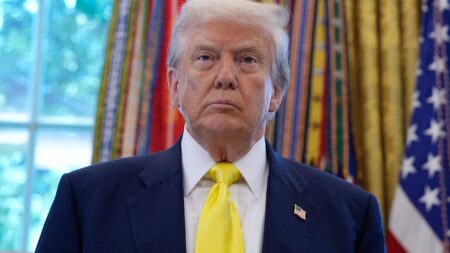
In Blindsided by Trump, Mukul Kesavan explores India’s strategic missteps under Modi, revealing the intricate challenges Delhi faces while maneuvering through a volatile global arena defined by US unpredictability and rising geopolitical tensions
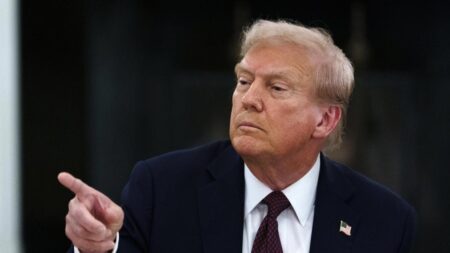
In a recent opinion piece for Newsweek, experts warn that former President Trump’s persistent critical remarks risk straining U.S.-India relations. They urge a shift toward constructive dialogue to strengthen this crucial partnership
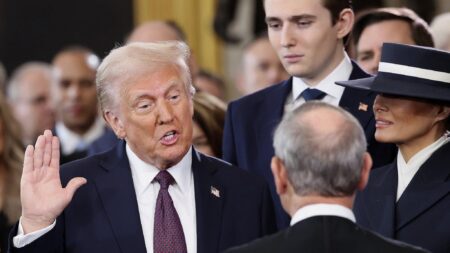
In a recent statement, Donald Trump sounded the alarm: “We’ve lost India, Russia to the deepest, darkest China,” highlighting his deep concern over China’s swift rise in global influence and its growing sway over key U.S. allies

As US-India relations cool under Trump’s administration, Indian Prime Minister Modi is boldly strengthening ties with China and Russia, signaling a major strategic shift in the face of changing global alliances, Reuters reports

The National Interest explores Donald Trump’s Russia strategy, unveiling a compelling blend of bold diplomacy and strategic deterrence. This article breaks down the key policies driving U.S.-Russia relations amid a complex and ever-shifting geopolitical landscape

China’s Xi Jinping, alongside Russia’s Vladimir Putin and North Korea’s Kim Jong Un, unveiled a stunning array of cutting-edge “new generation” weapons in a powerful display of military strength, signaling a dramatic shift in the global balance of power
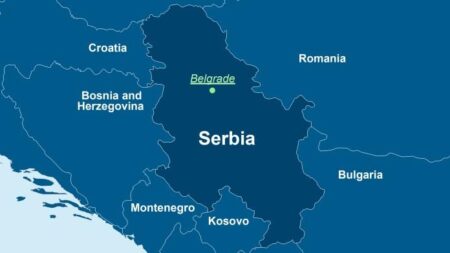
Serbia stands resolute in the face of international pressure, as President Aleksandar VuÄ�ić boldly declares that the nation will not impose sanctions on Russia. Emphasizing the crucial need to protect Serbia’s sovereign decisions, he underscores the country’s commitment amid escalating geopolitical tensions
India and Pakistan face complex challenges as stateless communities remain caught in the crossfire of ongoing political tensions. These “stateless sisters” bravely endure an unending struggle for identity and rights, living in the shadows of a conflict that has spanned decades

China and India pledged to be “partners not rivals” at a landmark security summit, marking a bold step toward easing regional tensions and boosting cooperation. This commitment signals a significant breakthrough in their complex and often challenging bilateral relationship