Germany’s recent election signals a significant shift in its political landscape, with major implications for the EU. Key takeaways include a coalition government that emphasizes climate action and social reforms, potentially altering Germany’s leadership role in Europe.
Browsing: German politics
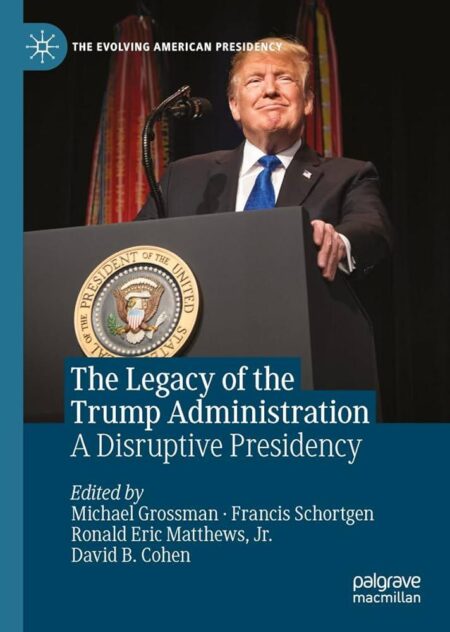
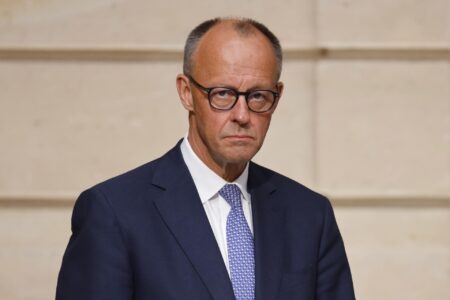
In a recent address, Germany’s Friedrich Merz criticized former President Donald Trump’s influence on U.S. politics, expressing concerns over rising populism. As he attempts to forge a coalition, Merz highlights the need for stable transatlantic relations amid global challenges.
Germany’s far-right AfD and the Left party have secured sufficient seats to impede amendments to the country’s debt brake, a fiscal rule that limits public borrowing. This development highlights the ongoing political divisions impacting budgetary reforms in Germany.
Sahra Wagenknecht, a prominent figure in German politics, has witnessed both meteoric rises and sharp declines. Once celebrated as a visionary leader of the left, her controversial stances and internal party conflicts have reshaped her trajectory, prompting discussions about the future of the political landscape in Germany.
In a significant political shift, Germany’s Friedrich Merz declared victory for his conservative party as exit polls indicated substantial gains for far-right factions. This outcome reflects a changing electoral landscape and raises questions about future governance.
Polls have officially opened in Germany for a crucial general election that could reshape the country’s political landscape. Voters will cast their ballots to determine the future direction of the government amid pressing economic and social challenges.
German Chancellor Olaf Scholz stands at a political crossroads as he faces a no-confidence vote, testing the stability of his leadership. With tensions rising and challenges mounting, his administration must navigate a precarious path to retain public trust.