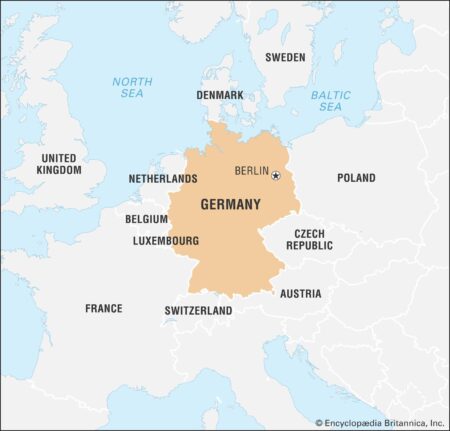
Germany has activated 5,000 troops to bolster NATO’s eastern flank, responding to heightened tensions in Eastern Europe. This move underscores a commitment to collective defense as regional security concerns continue to escalate amidst ongoing geopolitical challenges.
Browsing: Germany
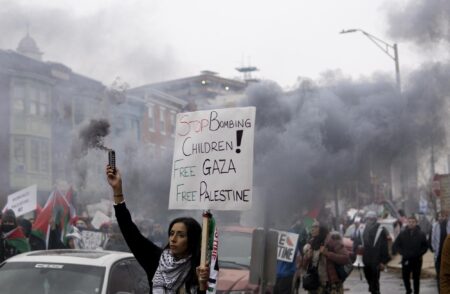
In a striking parallel, the tactics utilized by Donald Trump and the German government to suppress pro-Palestine activism reveal a shared approach to criminalize dissent. This strategy raises concerns over free speech and the right to protest in democratic societies.
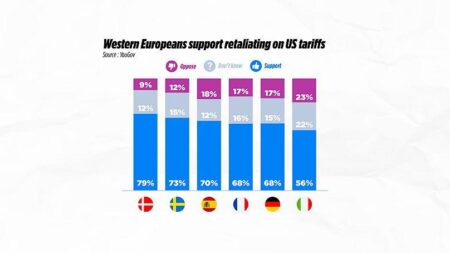
Germany and France are advocating for a stronger tariff response to protect their industries from global market fluctuations. Their push reflects growing concerns over international trade practices, aiming to bolster domestic economies amid rising competition.
Germany’s outgoing government has hailed success in addressing irregular immigration, citing a significant drop in undocumented arrivals. Officials attribute this progress to enhanced border controls and cooperation with neighboring countries.
Germany’s Chancellor Olaf Scholz has announced the EU’s readiness to respond to potential U.S. trade tariffs, emphasizing the bloc’s commitment to uphold fair trade practices. The statement signals a unified approach to address transatlantic trade tensions.
In recent months, Germany has witnessed a troubling increase in incidents of sexual violence and youth offenses, prompting national concern…
Germany has started deporting individuals identified as pro-Palestine supporters amid rising tensions following recent Middle East conflicts. The move aims to curb potential unrest, drawing both domestic and international reactions regarding freedom of expression.
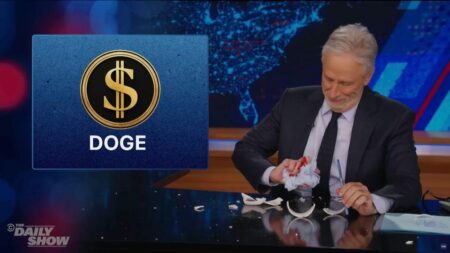
Jon Stewart faced backlash after suggesting that without U.S. economic influence, Germany might revert to its Nazi past. Critics argue his comments oversimplify complex historical dynamics and ignore the strong democratic foundations of modern Germany.
Germany has announced a significant allocation of over €8 billion in military aid to Ukraine, reinforcing its support amid ongoing conflict. This funding aims to enhance Ukraine’s defense capabilities and underscores Germany’s commitment to regional stability.
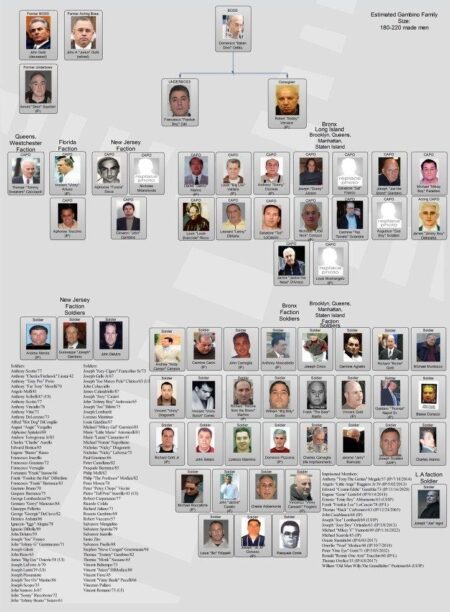
In a significant breakthrough in transnational crime enforcement, authorities in Italy and Germany have dismantled a elegant mafia-style association linked…
In a firm stance, Germany’s Economy Minister, Robert Klingbeil, dismissed calls to reinstate Russian gas imports, emphasizing the nation’s commitment to energy independence. This decision reflects ongoing geopolitical tensions and Germany’s pivot towards alternative energy sources.
In a stunning upset, Germany eliminated Italy from the tournament, with a ball boy playing a pivotal role in the match. Quick thinking and agility allowed him to retrieve the ball rapidly, maintaining the tempo for Germany, who capitalized on the momentum to secure their victory.
TikTok is set to launch its shopping feature, TikTok Shop, in France, Germany, and Italy, further enhancing its e-commerce capabilities. This move aims to integrate social media and online shopping, allowing users to purchase products directly through the platform.
Germany’s coalition talks have revealed significant divisions among the parties, particularly on issues such as climate policy and economic reforms. With negotiations underway, key disagreements may shape the future direction of the government.
In a coordinated effort, Germany, Greece, Hungary, and several other EU nations have issued survival alerts to citizens, urging preparedness for potential war, cyberattacks, and extreme weather. The tourism sector braces for disruptions amid rising tensions and climate challenges.
In ongoing coalition talks, Germany’s Finance Minister Christian Lindner of the Free Democrats (FDP) seeks to bridge gaps between conservative leader Friedrich Merz and the Social Democratic Party (SPD). Key issues remain unresolved as negotiations progress.
Five years after Germany implemented its first COVID-19 lockdown, the nation reflects on the profound societal and economic impacts. From health policies to vaccination campaigns, the pandemic has reshaped public life and informed future crisis response strategies.
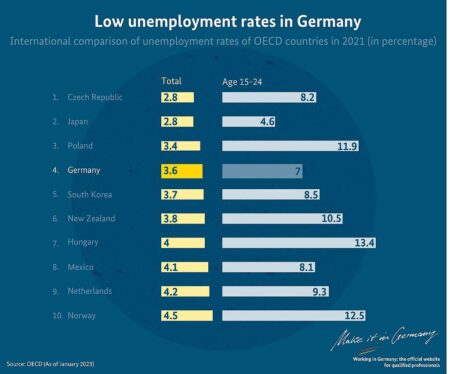
Germany’s unemployment rate rose to 6.3% in March, marking a notable increase as economic challenges persist. Analysts point to factors such as shifts in the labor market and ongoing economic pressures as contributing elements to this uptick.
In response to rising geopolitical tensions, particularly Trump’s favorable stance towards Putin, Germany is reconsidering its nuclear strategy. This shift highlights the country’s desire for greater security amid uncertainties in international alliances.
Germany’s new parliament is shaking things up with surprising developments. From an influx of youthful representatives to unprecedented coalition dynamics, discover the five wildest aspects shaping the future of German politics.