Germany is on high alert following a series of attacks amid growing speculation of Russian influence. Authorities are investigating potential links, although officials urge caution, emphasizing the need for thorough assessments before drawing conclusions.
Browsing: Germany
Germany has suspended its UN refugee resettlement program, reflecting the priorities of its new coalition government, which is poised to adopt a less welcoming stance towards migrants. This shift raises concerns about the country's commitment to humanitarian efforts.
Former top Ukrainian commander Valerii Zaluzhnyi has confirmed the establishment of a joint U.S.-Ukrainian command center in Germany. This move aims to enhance military coordination and support for Ukraine amid ongoing tensions with Russia.
In a startling directive, the German government has urged educators to prepare children for potential conflict, a move that has sparked widespread concern. Meanwhile, a former MI6 chief has issued a grave warning to the UK, highlighting rising tensions in Europe.
German officials are raising concerns about the validity of the $109 billion in U.S. gold reserves, demanding verification of bullion bars held at the New York Federal Reserve. This request could have significant implications for international gold holdings.
Germany is contemplating the withdrawal of its 1,200-ton gold reserves stored in the U.S., a move seen as a response to rising tensions during Donald Trump’s presidency. This potential action highlights ongoing concerns over international trust and economic security.
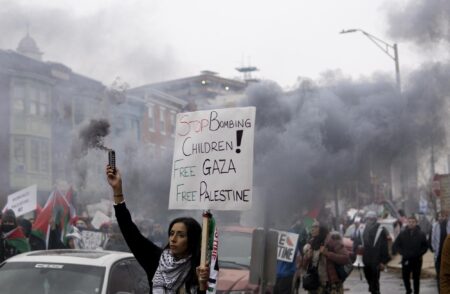
Germany has invoked post-Holocaust doctrine to justify the deportation of pro-Palestinian protesters, citing concerns over rising antisemitism. The move has sparked controversy, with critics alleging it undermines free speech and civil rights.
The Trump-era tariffs have disrupted Germany's economic strategy towards China, particularly under the leadership of Friedrich Merz. As trade tensions escalate, Germany faces challenging decisions to adapt its export policies and maintain competitiveness.
Germany has activated 5,000 troops to bolster NATO's eastern flank, responding to heightened tensions in Eastern Europe. This move underscores a commitment to collective defense as regional security concerns continue to escalate amidst ongoing geopolitical challenges.
In a striking parallel, the tactics utilized by Donald Trump and the German government to suppress pro-Palestine activism reveal a shared approach to criminalize dissent. This strategy raises concerns over free speech and the right to protest in democratic societies.
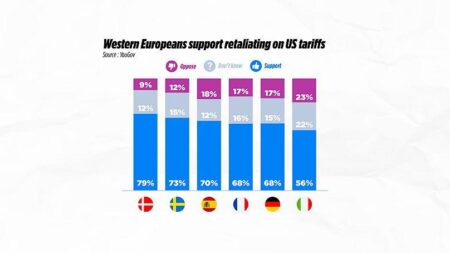
Germany and France are advocating for a stronger tariff response to protect their industries from global market fluctuations. Their push reflects growing concerns over international trade practices, aiming to bolster domestic economies amid rising competition.
Germany's outgoing government has hailed success in addressing irregular immigration, citing a significant drop in undocumented arrivals. Officials attribute this progress to enhanced border controls and cooperation with neighboring countries.
Germany's Chancellor Olaf Scholz has announced the EU's readiness to respond to potential U.S. trade tariffs, emphasizing the bloc's commitment to uphold fair trade practices. The statement signals a unified approach to address transatlantic trade tensions.
In recent months, Germany has witnessed a troubling increase in incidents of sexual violence and youth offenses, prompting national concern and sparking debates about safety, societal values, and law enforcement.A rise in reported cases has raised alarms across various sectors, from community groups to policymakers, as thay grapple with the rising tide of crime among young people and vulnerable populations. Experts are calling for thorough strategies to address the root causes of these offenses, highlighting the urgent need for prevention, education, and intervention measures. This article delves into the statistics behind this disturbing trend, explores its implications for German society, and examines the responses from authorities and communities alike as they strive to confront these challenges head-on.
Germany has started deporting individuals identified as pro-Palestine supporters amid rising tensions following recent Middle East conflicts. The move aims to curb potential unrest, drawing both domestic and international reactions regarding freedom of expression.
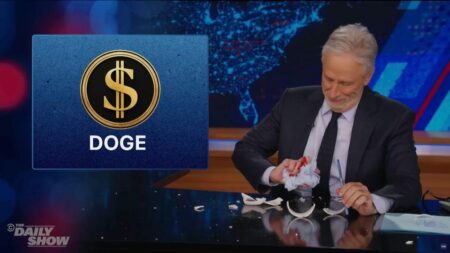
Jon Stewart faced backlash after suggesting that without U.S. economic influence, Germany might revert to its Nazi past. Critics argue his comments oversimplify complex historical dynamics and ignore the strong democratic foundations of modern Germany.
Germany has announced a significant allocation of over €8 billion in military aid to Ukraine, reinforcing its support amid ongoing conflict. This funding aims to enhance Ukraine's defense capabilities and underscores Germany's commitment to regional stability.
In a significant breakthrough in transnational crime enforcement, authorities in Italy and Germany have dismantled a elegant mafia-style association linked to a series of criminal activities across Europe. Coordinated by Eurojust, the european Union’s agency for judicial cooperation, this operation marks a pivotal moment in the fight against organized crime. The joint inquiry unveiled a network deeply embedded in both countries, engaging in activities ranging from drug trafficking to money laundering, and underscoring the pervasive influence of organized crime in the region. As law enforcement agencies continue to collaborate across borders, this development raises critical questions about the ongoing challenges posed by such syndicates and the robust strategies required to combat them effectively.
In a firm stance, Germany’s Economy Minister, Robert Klingbeil, dismissed calls to reinstate Russian gas imports, emphasizing the nation’s commitment to energy independence. This decision reflects ongoing geopolitical tensions and Germany's pivot towards alternative energy sources.
In a stunning upset, Germany eliminated Italy from the tournament, with a ball boy playing a pivotal role in the match. Quick thinking and agility allowed him to retrieve the ball rapidly, maintaining the tempo for Germany, who capitalized on the momentum to secure their victory.