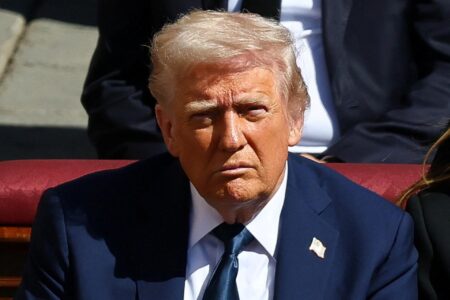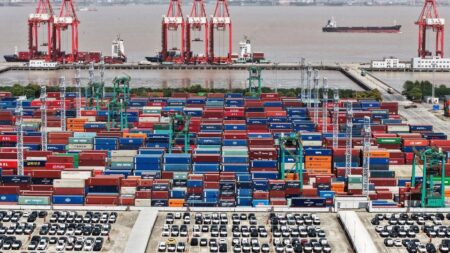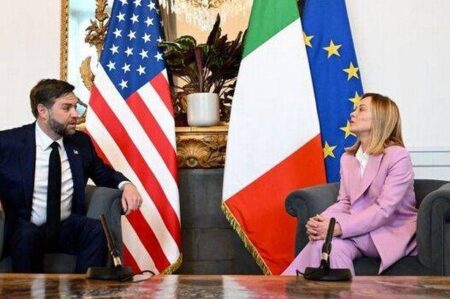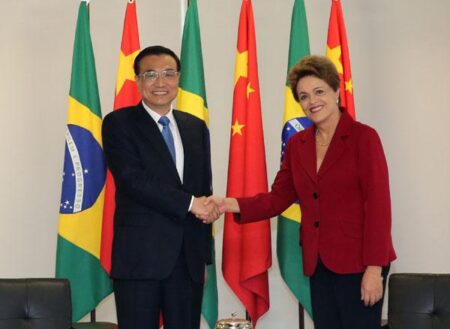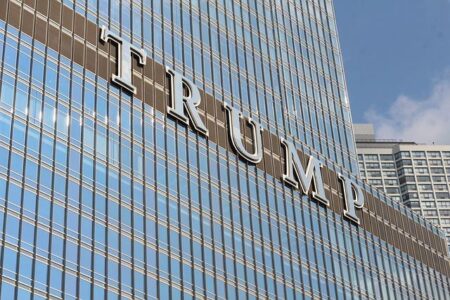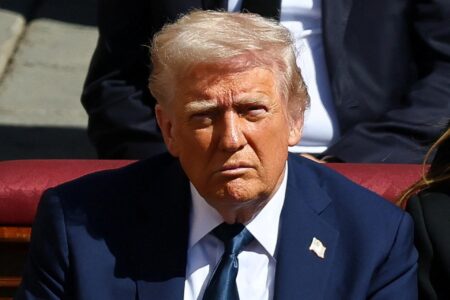
As the world eagerly anticipates the upcoming elections in Australia and Singapore, analysts are sounding the alarm about Donald Trump’s significant influence. His captivating populist rhetoric and divisive approach could play a pivotal role in shaping voter sentiments and party strategies across both nations.
Browsing: global politics
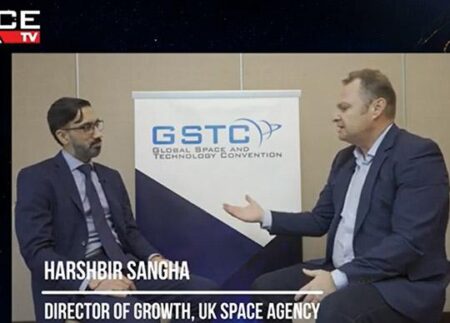
As geopolitical tensions escalate, the UK’s aspirations in space are encountering serious hurdles. Experts caution that a resurgence of rivalry and financial constraints could threaten the nation’s emerging space programs, potentially undermining its standing in the global arena.
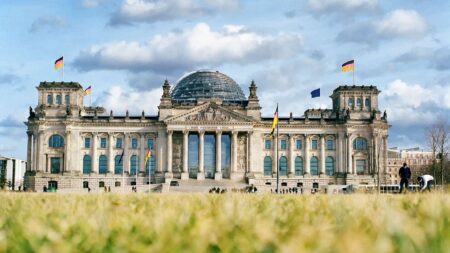
As the Vatican gears up for a crucial conclave, the atmosphere is charged with external pressures from influential nations such as Germany and China. These countries are eager to shape the election of the next pope, sparking worries about how their involvement might impact the Church’s direction and independence.
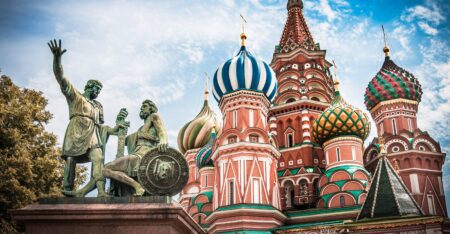
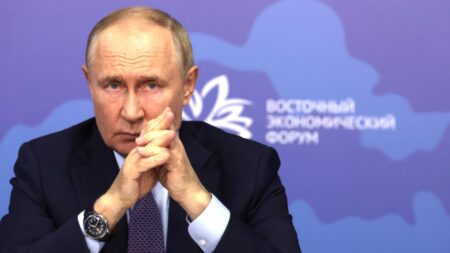
In “The Russia That Putin Made,” Foreign Affairs delves into the intricate tapestry of Moscow’s ties with the West. The article emphasizes that a pragmatic approach to engagement is crucial for fostering coexistence, shedding light on the persistent illusions that obstruct meaningful dialogue
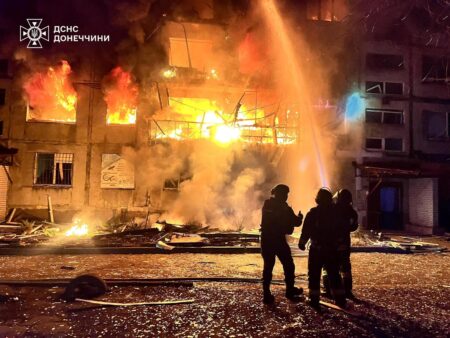
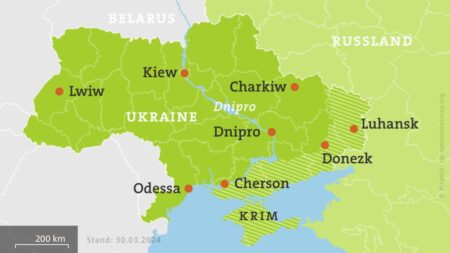
In a shocking turn of events, Russia has unleashed a wave of extensive attacks across Ukraine, just hours after former President Donald Trump called on President Putin to halt the violence. This renewed military offensive sends ripples of anxiety through the already fragile security landscape in Eastern Europe.
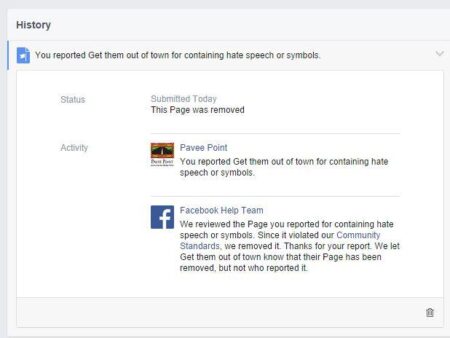
Facebook’s enforcement of its hate-speech rules is under the microscope in India’s politically charged atmosphere. As influential leaders harness the platform to rally support, the pressing challenge lies in striking a delicate balance between safeguarding free expression and tackling online hate in a richly diverse society.
Donald Trump touched down in Rome, ready to stand alongside global leaders at the poignant funeral of Pope Francis. This visit not only underscores his enduring influence within the world’s political elite but also highlights a momentous occasion as heartfelt tributes flow in for the beloved pontiff’s remarkable legacy.
As tensions soar in the Taiwan Strait, China’s military activities around Taiwan’s outlying islands are ramping up dramatically. These bold maneuvers not only jeopardize regional stability but also spark fears of possible military confrontations, underscoring the critical strategic significance of these territories.
Italian Prime Minister Giorgia Meloni is gearing up for an important meeting with former President Donald Trump in Washington. This high-stakes discussion aims to bolster the relationship between their nations and tackle pressing issues that affect both sides. As global dynamics continue to evolve, this gathering represents a pivotal moment in international diplomacy.
In a bold step to enhance their partnership, Chinese President Xi Jinping and Brazilian President Luiz Inácio Lula da Silva have ramped up their meetings, forging stronger connections as they navigate the shifting landscape of U.S. politics with the potential return of Donald Trump.
In a significant meeting in Moscow, Russian President Vladimir Putin engaged in vital discussions with Qatar’s Emir Tamim bin Hamad Al Thani. Their conversation centered on the pressing crises in Syria and Gaza, highlighting the urgent need for diplomatic solutions. Together, they explored ways to bolster regional stability amidst rising tensions, emphasizing their commitment to fostering peace and cooperation.
France has boldly reaffirmed its backing for former President Donald Trump’s ambitious proposal to bring an end to the ongoing war in Ukraine. This endorsement marks a significant potential shift in diplomatic efforts, highlighting the importance of dialogue and negotiation as key pathways to resolving the conflict.
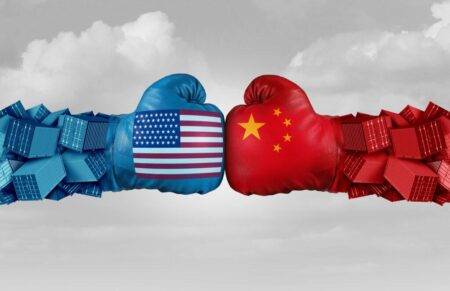
China has voiced its apprehensions regarding former President Trump’s ambitious $1 trillion Pentagon budget, perceiving it as a potential threat to regional stability. Officials warn that this surge in military spending could heighten tensions across the Asia-Pacific, emphasizing the urgent need for diplomatic solutions
Tensions are rising as the US and China vie for influence over the Panama Canal, a crucial trade route. Panama finds itself in the middle of a diplomatic tug-of-war, with leaders navigating the complex geopolitical landscape amid escalating rhetoric.
China has officially denied claims that its citizens are fighting alongside Russian forces in Ukraine. The statement comes amid rising concerns over foreign involvement in the conflict, as international scrutiny intensifies on China’s stance in the war.
In a startling directive, the German government has urged educators to prepare children for potential conflict, a move that has sparked widespread concern. Meanwhile, a former MI6 chief has issued a grave warning to the UK, highlighting rising tensions in Europe.
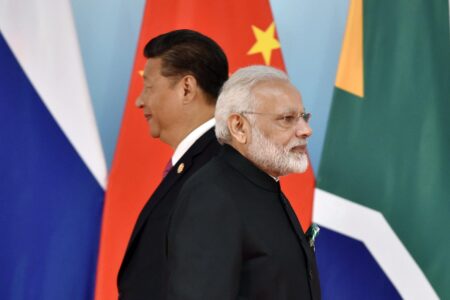
In the backdrop of heightened tensions, Indian Prime Minister Narendra Modi seeks to navigate a complex geopolitical landscape to foster improved relations with China. With ongoing border disputes and economic challenges, a thaw could reshape regional stability and cooperation.
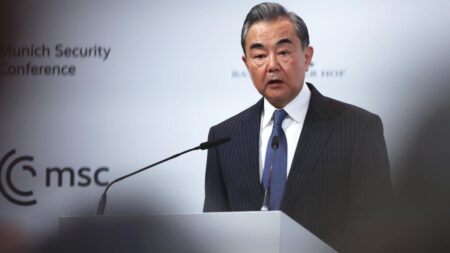
In a recent statement, a senior Chinese diplomat addressed U.S. critics of China’s policies, inviting them to visit the country firsthand. He emphasized the importance of direct engagement for a clearer understanding of China’s complexities and advancements.
In light of the growing divisions fueled by former President Trump’s policies, the G7 nations are leveraging the “China card” to foster unity. By addressing shared concerns regarding China’s influence, they aim to reinforce collaboration among member states.
A Russian negotiator described recent talks with U.S. officials regarding Ukraine as “useful,” indicating a potential shift in diplomatic efforts. He emphasized the importance of involving the United Nations to facilitate negotiations and achieve lasting peace.