
USA Rare Earth stock soared dramatically after news broke that the Trump administration is set to stockpile essential metals. This development has sparked a wave of optimism among investors, who are eager about the prospects of heightened demand in light of persistent global supply chain challenges.
Browsing: global trade
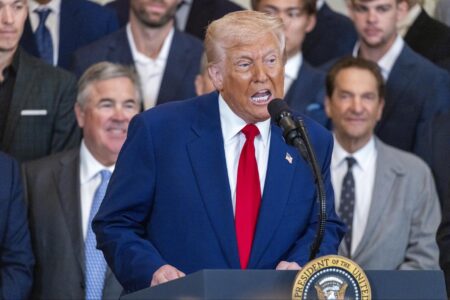
Former President Donald Trump has stepped into the spotlight, revealing his active role in the ongoing trade talks with Japan. He confidently asserts that remarkable progress has been made. This crucial dialogue seeks to tackle tariffs and bolster bilateral trade relations, all while navigating the ever-evolving landscape of global dynamics.

In a bold move to strengthen economic connections, Illinois Governor J.B. Pritzker has officially signed a landmark trade agreement with the United Kingdom. This exciting deal is set to not only elevate exports but also generate new job opportunities across Illinois, solidifying the state’s position in the global marketplace.
US orders from Chinese small businesses face delays as Trump-era tariffs continue to impact trade relations. The hold on these imports underscores ongoing economic tensions, affecting suppliers and pricing in the global market.
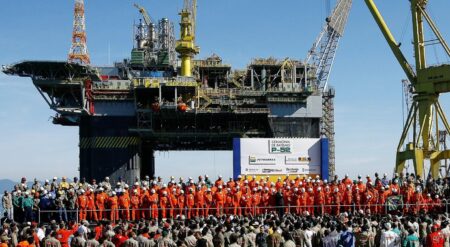
Brazil’s booming offshore oil sector is becoming a crucial supplier for China’s energy needs. As Chinese firms invest heavily in Brazilian oil projects, the two nations strengthen their economic ties, reshaping global energy dynamics amidst rising demand.

Tesla, GM, and Rivian may face significant challenges following China’s export ban on critical minerals essential for electric vehicle production. With supply chains disrupted, these automakers could struggle to maintain production levels and meet growing demand.

Germany’s Friedrich Merz has warned that proposed tariffs by former President Trump could ignite a financial crisis, jeopardizing global trade stability. He emphasized the need for diplomatic solutions to avoid escalation and protect economic interests.
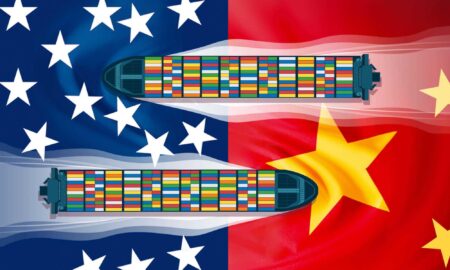
The ongoing US trade war may lead to a significant shift in global trade dynamics, as experts suggest Chinese goods could increasingly find their way into European markets. This trend could reshape supply chains and impact economies on both sides of the Atlantic.
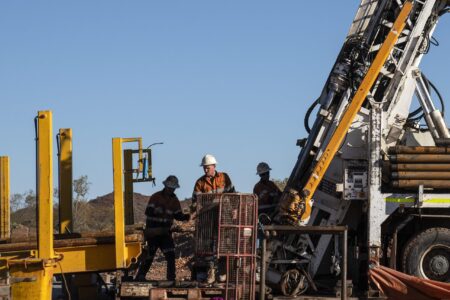
Australian miners are poised to benefit from China’s new restrictions on rare earth exports. As Beijing tightens its grip on this strategic resource, Australian firms are expected to fill the supply gap, bolstering their market position and boosting revenues.

In a recent decision, the Biden administration announced that phones and computers will be exempt from the proposed 125% tariffs on Chinese imports initially suggested by former President Trump. This move aims to alleviate pressure on consumers and tech companies.

Brazil is shifting its focus toward negotiation in response to recent U.S. trade tariffs, officials announced. The move aims to address trade tensions and foster stronger economic ties between the two nations, emphasizing dialogue over confrontation.

In a recent CNN feature, Fareed Zakaria delves into the steadfast Chinese mentality during the ongoing trade war, emphasizing a cultural ethos that prioritizes resilience and perseverance. He argues that this mindset shapes China’s approach to negotiations and conflict resolution.
In a surprising twist amid ongoing trade tensions, experts suggest that Donald Trump’s tariff war with China could lead to lower prices for Australians on Chinese-made goods. With tariffs affecting American imports, Australian consumers might benefit as costs adjust.

Germany’s incoming Chancellor Friedrich Merz has revealed a new coalition government amid rising economic concerns, as fears of a recession loom. The recent reimposition of Trump-era tariffs intensifies uncertainties in the European economy.
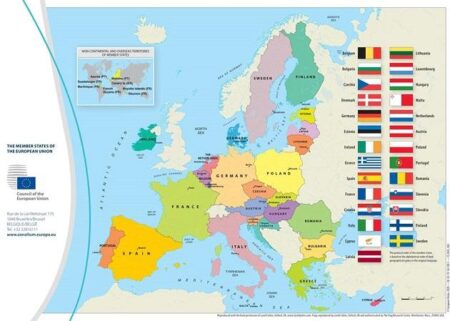
In response to rising global trade tensions, EU countries are implementing protective tariffs to shield domestic industries. This move aims to bolster competitiveness and safeguard jobs, signaling a shift towards more aggressive trade defense strategies.
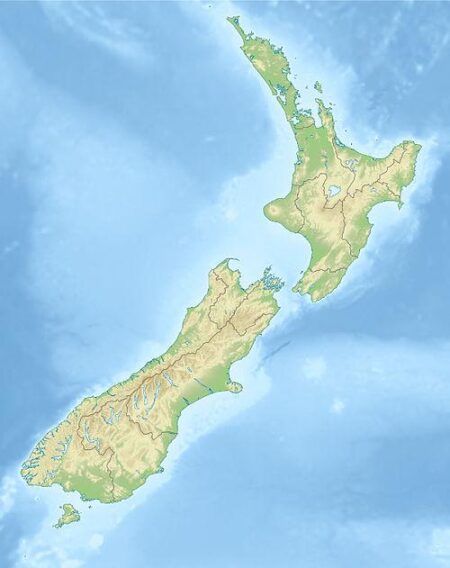
New Zealand and Australia are actively engaging with international partners to strengthen free trade agreements, emphasizing the need for collaborative economic policies. This initiative aims to bolster regional stability and foster economic growth across nations.

Italy’s Prime Minister Giorgia Meloni is scheduled to visit the United States next week to discuss ongoing tariff negotiations. This high-stakes meeting aims to address trade tensions and strengthen economic ties between the two nations.

Japan’s former Defense Minister Shigeru Ishiba is advocating for a comprehensive agreement with the U.S. to address tariff issues. As tensions rise over trade policies, Ishiba emphasizes the need for collaboration to secure mutual economic interests.
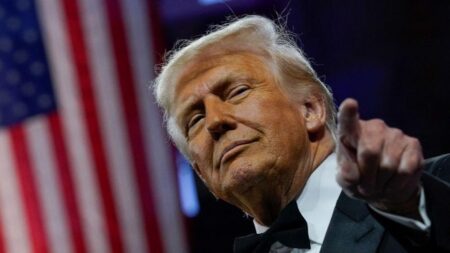
In a move that could reshape transatlantic trade relations, former President Donald Trump has urged France to reconsider its trade partnerships, including the potential implications of the Mercosur deal. This call comes amid ongoing tensions over global trade policies.
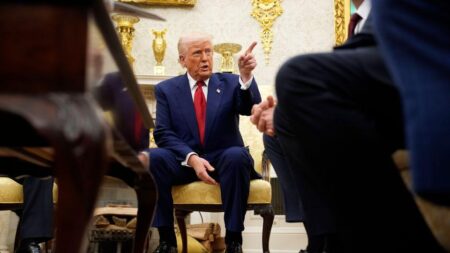
In a bold economic maneuver, President Trump has initiated sweeping tariffs against China, igniting a trade conflict with implications that could reverberate throughout the global market. Analysts warn this battle may stretch U.S. resources thin, challenging American competitiveness.