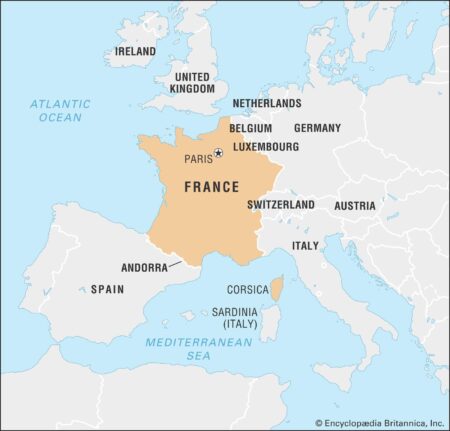
France is gearing up to reexamine the heated topic of reparations owed to Haiti, nearly 200 years after imposing devastating debts in the wake of the island’s hard-won independence. This renewed attention highlights the ongoing conversations surrounding historical injustices and their enduring effects on society.
Browsing: governance
As Britain charts its course through the complex waters of post-Brexit trade negotiations, the allure of striking a deal with the Trump administration poses a significant challenge. Experts caution that yielding core values in exchange for economic benefits could jeopardize the UK’s esteemed global reputation and ethical integrity.
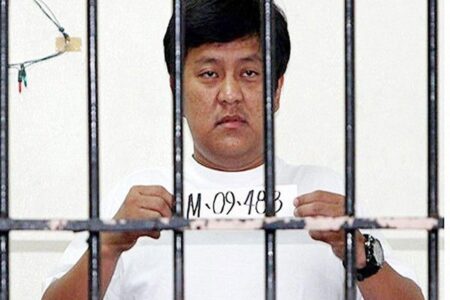
In a dramatic turn of events, Peru’s former first lady, Nadine Heredia, has fled to Brazil seeking asylum with her son. This move comes on the heels of her conviction for corruption tied to the notorious Odebrecht scandal. The ripples from this high-profile case continue to shake the foundations of politics across the region.
Germany faces a crisis as infrastructure deteriorates and political divisions deepen. The newly formed government aims to address these challenges through ambitious reforms and investment in sustainable projects, seeking to restore stability and unity across the nation.
In his pursuit to restore economic stability, Javier Milei’s bold policies may be key to revitalizing Argentina’s struggling economy. As the country grapples with inflation and fiscal challenges, his vision for a “normal” financial landscape warrants serious consideration.
Germany’s anticipated next chancellor has sparked a wave of concern regarding the coalition’s promises, hinting at possible changes in policy direction. This growing skepticism could pose a threat to the government’s stability and potentially transform the political landscape, as reported by Reuters
Australia’s conservative party leader faces mounting challenges as ties to Donald Trump become a growing liability. Critics argue that his alignment with the former U.S. president jeopardizes the party’s appeal amid evolving voter sentiments.
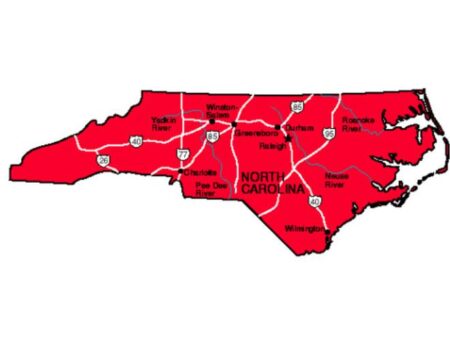
In a contentious political landscape, North Carolina Republicans may be poised to manipulate election outcomes through strategic legislation. Critics argue that these tactics undermine democracy, raising concerns about the integrity of future elections in the state.
Italy’s Giorgia Meloni exemplifies the challenges of moderating Europe’s far-right movements. Despite attempts to present a more palatable image, her government’s actions reveal the enduring appeal of nationalist rhetoric, threatening EU cohesion.
Once heralded as the world’s most popular politician, Brazilian President Luiz Inácio Lula da Silva is now grappling with a significant drop in approval ratings. Critics point to economic struggles and rising inflation as key factors in this decline.
House GOP holdouts have successfully delayed a crucial vote aimed at advancing former President Trump’s legislative agenda. The standoff highlights ongoing divides within the party, raising questions about unity and the future of GOP priorities.
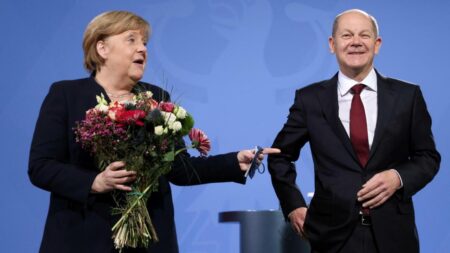
In a significant political shift, a coalition deal in Germany has paved the way for Friedrich Merz, leader of the Christian Democratic Union, to ascend as Chancellor. The agreement marks a crucial moment for the CDU, reshaping Germany’s political landscape.
Germany’s incoming Chancellor Friedrich Merz has revealed a new coalition government amid rising economic concerns, as fears of a recession loom. The recent reimposition of Trump-era tariffs intensifies uncertainties in the European economy.
Javier Milei, Argentina’s newly elected president, is facing criticism for his efforts to reshape the nation’s historical narrative in a bid to attract foreign investment. Analysts warn that such moves could undermine Argentina’s cultural identity and heritage.
Germany’s Friedrich Merz has finalized a coalition deal aimed at addressing the rising challenges posed by a resurgent Trump administration. The agreement underscores the urgency for European leaders to unify against potential political shifts across the Atlantic.
In a bold move to revitalize Argentina’s economy, President Javier Milei has initiated sweeping deregulation, cutting bureaucratic red tape with a “deep chainsaw” approach. Advocates at the Cato Institute praise this strategy as essential for fostering business growth and attracting investment.
Following the recent coalition agreement, CDU leader Friedrich Merz announced that Germany is “back on track” to address pressing issues. The coalition aims to enhance economic stability and bolster unity amid ongoing challenges in the European landscape.
In a recent statement, Argentine presidential candidate Javier Milei asserted that Falkland Islanders would ultimately “prefer being Argentine.” His comments reignite the longstanding sovereignty dispute over the disputed islands, stirring fresh debate in the region.
In a recent statement, Brazil’s former President Jair Bolsonaro criticized a ruling against French political leader Marine Le Pen, labeling it “judicial activism.” His comments reflect ongoing debates over judicial independence and political influence in democratic societies.
France’s Marine Le Pen has been barred from holding public office for five years following a conviction for embezzlement. The ruling underscores the ongoing scrutiny of political figures amidst allegations of financial misconduct, as reported by CNBC.