
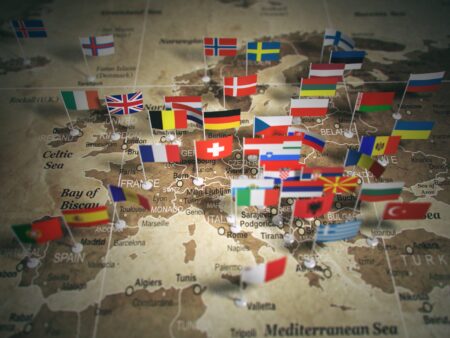
Italy’s Giorgia Meloni exemplifies the challenges of moderating Europe’s far-right movements. Despite attempts to present a more palatable image, her government’s actions reveal the enduring appeal of nationalist rhetoric, threatening EU cohesion.
Italy’s Giorgia Meloni exemplifies the challenges of moderating Europe’s far-right movements. Despite attempts to present a more palatable image, her government’s actions reveal the enduring appeal of nationalist rhetoric, threatening EU cohesion.
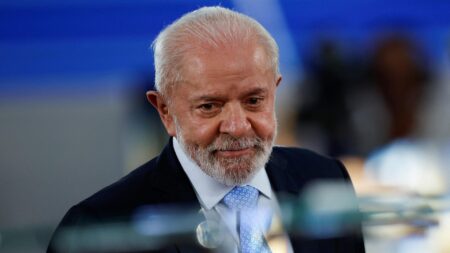
Once heralded as the world’s most popular politician, Brazilian President Luiz Inácio Lula da Silva is now grappling with a significant drop in approval ratings. Critics point to economic struggles and rising inflation as key factors in this decline.
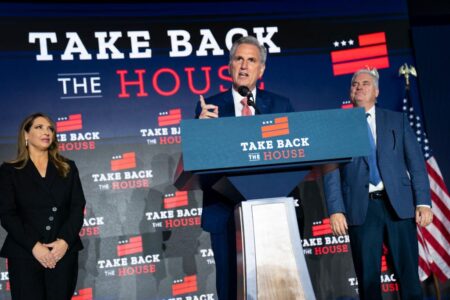
House GOP holdouts have successfully delayed a crucial vote aimed at advancing former President Trump’s legislative agenda. The standoff highlights ongoing divides within the party, raising questions about unity and the future of GOP priorities.
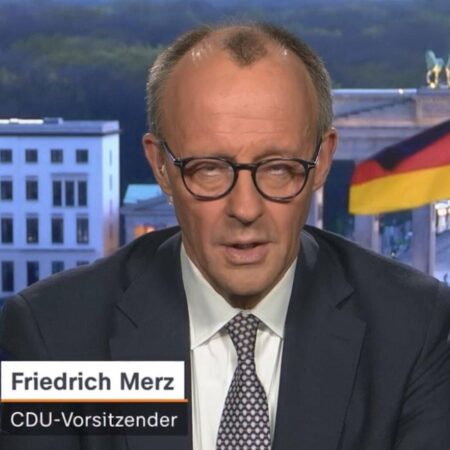
In a significant political shift, a coalition deal in Germany has paved the way for Friedrich Merz, leader of the Christian Democratic Union, to ascend as Chancellor. The agreement marks a crucial moment for the CDU, reshaping Germany’s political landscape.
Germany’s incoming Chancellor Friedrich Merz has revealed a new coalition government amid rising economic concerns, as fears of a recession loom. The recent reimposition of Trump-era tariffs intensifies uncertainties in the European economy.

Javier Milei, Argentina’s newly elected president, is facing criticism for his efforts to reshape the nation’s historical narrative in a bid to attract foreign investment. Analysts warn that such moves could undermine Argentina’s cultural identity and heritage.
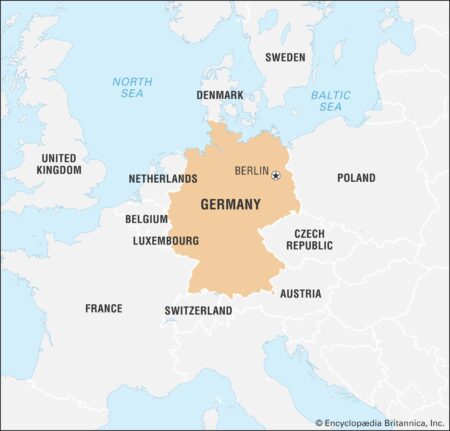
Germany’s Friedrich Merz has finalized a coalition deal aimed at addressing the rising challenges posed by a resurgent Trump administration. The agreement underscores the urgency for European leaders to unify against potential political shifts across the Atlantic.

In a bold move to revitalize Argentina’s economy, President Javier Milei has initiated sweeping deregulation, cutting bureaucratic red tape with a “deep chainsaw” approach. Advocates at the Cato Institute praise this strategy as essential for fostering business growth and attracting investment.
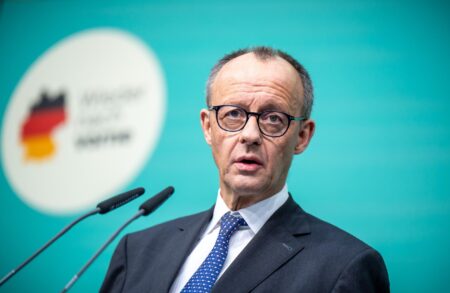
Following the recent coalition agreement, CDU leader Friedrich Merz announced that Germany is “back on track” to address pressing issues. The coalition aims to enhance economic stability and bolster unity amid ongoing challenges in the European landscape.
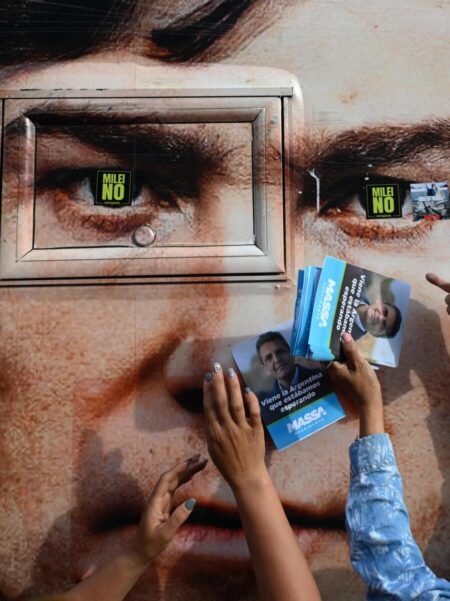
In a recent statement, Argentine presidential candidate Javier Milei asserted that Falkland Islanders would ultimately “prefer being Argentine.” His comments reignite the longstanding sovereignty dispute over the disputed islands, stirring fresh debate in the region.
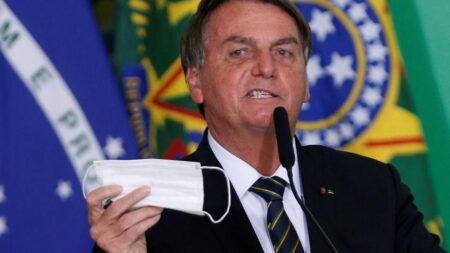
In a recent statement, Brazil’s former President Jair Bolsonaro criticized a ruling against French political leader Marine Le Pen, labeling it “judicial activism.” His comments reflect ongoing debates over judicial independence and political influence in democratic societies.
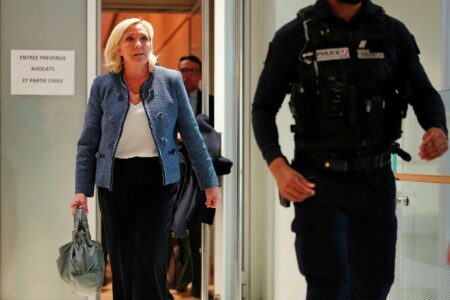
France’s Marine Le Pen has been barred from holding public office for five years following a conviction for embezzlement. The ruling underscores the ongoing scrutiny of political figures amidst allegations of financial misconduct, as reported by CNBC.
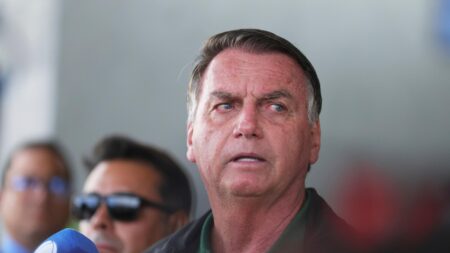
Reports reveal that under Jair Bolsonaro’s administration, Brazil conducted espionage on Paraguay regarding the joint Itaipú hydroelectric plant. This revelation raises concerns about regional trust and cooperation in shared resources management.
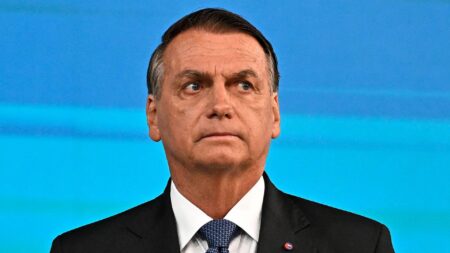
Former Brazilian President Jair Bolsonaro has joined a growing list of ex-leaders facing legal challenges. Allegations against him include corruption and mishandling of public funds, raising concerns about accountability in Brazilian politics.

Denmark’s Social Democrats have successfully adapted to contemporary challenges by prioritizing pragmatic policies and robust welfare reforms. Their focus on economic responsibility coupled with social equity offers valuable lessons for Germany’s SPD in revitalizing its platform and appeal.
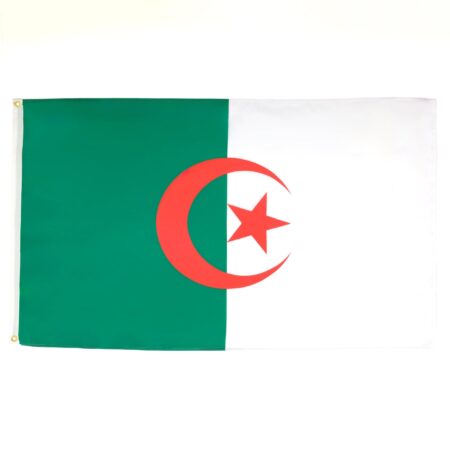
Algeria has called on Spain to rethink its backing of Morocco’s autonomy proposal for Western Sahara. The request reflects ongoing tensions in the region, as Algeria emphasizes the need for a fair and negotiated resolution to the territorial dispute.
In light of escalating U.S. threats, Canada faces a crucial moment to reassess its national security strategy. Experts advocate for integrating non-violent resistance training into defense plans, promoting resilience and civil engagement as vital components of national safety.

Italy’s Prime Minister Giorgia Meloni faces a delicate balancing act as she navigates her allegiance to former President Trump while maintaining her responsibilities to European unity. This dilemma highlights the complexities of national and international politics in a shifting landscape.

In a recent clash of ideals, former President Donald Trump appears to overshadow Argentine libertarian leader Javier Milei in the battle for right-wing populism. Analysts suggest Trump’s robust influence may shape global conservative narratives, potentially sidelining Milei’s unique agenda.

The ongoing delimitation process in India has sparked debate about its impact on regional representation. As North India may gain additional seats, concerns arise in the South about potential underrepresentation, raising questions about equity and resource allocation.