

As Javier Milei prepares to govern Argentina, a critical challenge looms: addressing soaring inflation and economic instability. His unconventional policies may spark both hope and skepticism as the nation grapples with its financial future.
As Javier Milei prepares to govern Argentina, a critical challenge looms: addressing soaring inflation and economic instability. His unconventional policies may spark both hope and skepticism as the nation grapples with its financial future.

Germany is pursuing constitutional amendments to bolster its military readiness amid growing security concerns. This move reflects a shift in defense policy, aiming to enhance the nation’s operational capabilities in response to evolving global threats.

If Canada and Greenland were to become U.S. states, the electoral landscape would shift dramatically. With their combined populations, they could tilt votes in Congress, influence presidential elections, and reshape policies on immigration, healthcare, and climate change.

In a dramatic late-night meeting, a critical 3 a.m. showdown solidified Merz’s innovative strategy to revitalize Germany’s economy. Key stakeholders rallied behind the plan, marking a pivotal moment for the nation’s financial future amid escalating challenges.

In a bold move, German leader Merz is pushing to enshrine economic policies into the constitution, raising concerns about potential long-term implications for Germany’s financial stability. Critics argue this approach could solidify a path toward economic decline.

Former Brazilian President Lula da Silva, once a champion of the working class, faces growing criticism and disillusionment among his base amid rising economic challenges and unfulfilled promises. This shift raises questions about his political viability.

The Tony Blair Institute for Global Change emphasizes the need for a coordinated effort across all government sectors to harness the UK’s AI potential. A whole-of-government approach is crucial for fostering innovation, competitiveness, and ethical standards in AI development.

Tilman Fertitta, the billionaire businessman and owner of the Houston Rockets, may face a significant pivot if confirmed as the U.S. ambassador to Italy. Speculation surrounds whether he will step back from his extensive business empire to focus on diplomatic duties.

Reform UK has reported lawmaker Andrew Lowe to the police following allegations of making threats against the party’s chairman. The move underscores rising tensions within the political landscape, prompting scrutiny over intra-party conduct.

In a decisive victory, Mark Carney, newly elected Prime Minister of Canada, emphasized national sovereignty, stating, “Canada will never ever be part of America.” His remarks resonate amid ongoing debates about Canadian identity and independence in a globalized world.

In his latest piece for The Guardian, Paul Daley critiques Australia’s unwavering sycophancy towards Donald Trump, arguing that this blind allegiance threatens the nation’s diplomatic integrity and moral standing on the global stage.

German parties have reached a consensus to relax fiscal rules, enabling significant investments in military and economic reforms. This shift aims to fortify national defense and stimulate economic growth, reflecting a strategic response to emerging global challenges.

India is grappling with a political rift as Prime Minister Modi’s proposal to redraw electoral constituencies faces backlash, particularly from the southern states. Critics argue the plan threatens regional representation and exacerbates existing disparities.
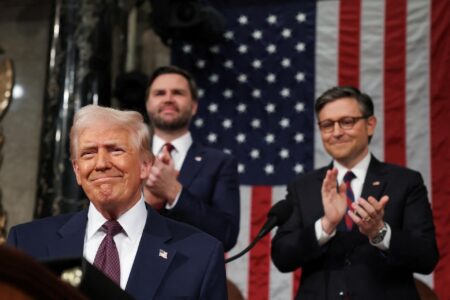
Australia’s Foreign Minister has voiced concerns that Donald Trump’s second term is proving to be even more disruptive than his first. This assessment reflects growing international apprehension over Trump’s evolving foreign policy and domestic decisions.
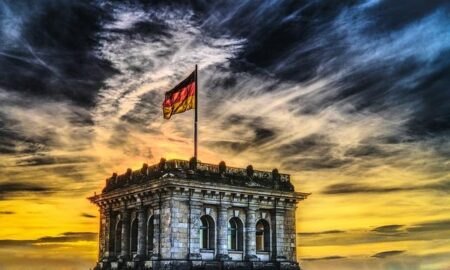
German conservatives are increasingly aligning with far-right elements, prompting NGOs to voice concerns over a potential crackdown on civil society. Activists warn that this shift threatens democratic values and undermines civic engagement in the country.

As Germany’s political landscape shifts rightward, experts from the Atlantic Council analyze the implications of the recent election results. They delve into how this trend could reshape Germany’s domestic policies and its role in the European Union.

Germany’s next leader faces pressing global challenges, unlike previous administrations that focused inward. As geopolitical tensions rise and the EU’s stability is tested, proactive engagement on the world stage becomes imperative for Germany’s future.

In today’s authoritarian India, finding freedom requires resilience and creativity. Activists harness technology to mobilize grassroots support and challenge oppressive policies. Community solidarity and art as resistance serve as vital tools in the pursuit of liberty.

In “Triumph of Il Duce,” The Times explores Italy’s complex relationship with Mussolini, highlighting how nostalgia for his era persists amidst ongoing debates about fascism, identity, and historical memory in modern Italian society.
Following his election victory, Friedrich Merz faces the challenge of uniting Germany’s fractured political landscape while asserting strong leadership in Europe. Analysts at Chatham House examine whether he can navigate these demanding responsibilities effectively.