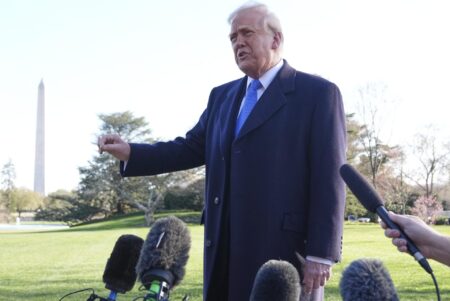
Amid escalating tensions in the US-China trade war, negotiations over a potential deal for TikTok have stalled, leaving the future of the popular social media app uncertain. Insiders suggest geopolitical factors could heavily influence the outcome.
Amid escalating tensions in the US-China trade war, negotiations over a potential deal for TikTok have stalled, leaving the future of the popular social media app uncertain. Insiders suggest geopolitical factors could heavily influence the outcome.
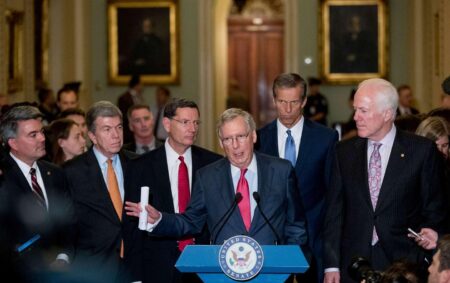
In a historic move, Senate Republicans have broken longstanding norms to expedite Donald Trump's tax cut agenda. The decision, aimed at boosting economic growth, has drawn criticism from Democrats who argue it exacerbates income inequality.
A British couple facing deportation due to their health condition, multiple sclerosis, has issued a heartfelt plea to authorities, urging them not to separate them from their support network and essential healthcare in the UK.
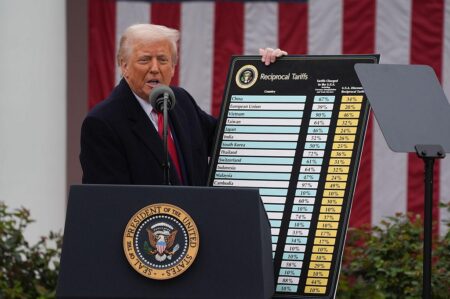
President Trump's recent tariffs have surpassed initial expectations, prompting significant economic implications. Key takeaways include heightened consumer prices, strained international relations, potential job losses in key sectors, and unpredictable market reactions.
Australia and global markets reacted swiftly to Donald Trump's US tariff plan, with concerns over potential trade wars igniting tensions. Experts warn that these tariffs could disrupt supply chains and impact economic growth worldwide, prompting calls for diplomatic negotiations.
The UK government has proposed a new cyber bill that threatens fines of £100,000 a day for companies failing to protect sensitive data. Aimed at bolstering cybersecurity measures, the legislation underscores a growing commitment to safeguarding digital infrastructure.
France has joined several nations in warning travelers about the United States' visa policies regarding 'sex at birth' designations. This alert highlights growing concerns over potential discrimination and the complexities surrounding immigration for transgender individuals.
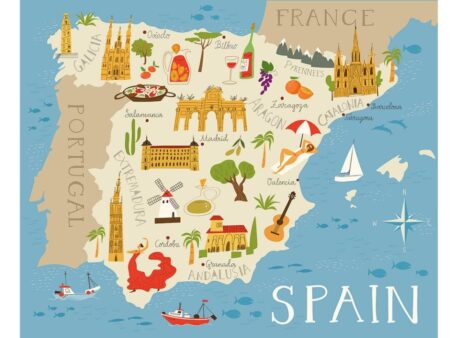
Spain is experiencing an economic boom, driven by a resurgence in tourism, robust exports, and increased foreign investment. As the country capitalizes on its diverse sectors, experts predict sustained growth, boosting employment and national confidence.
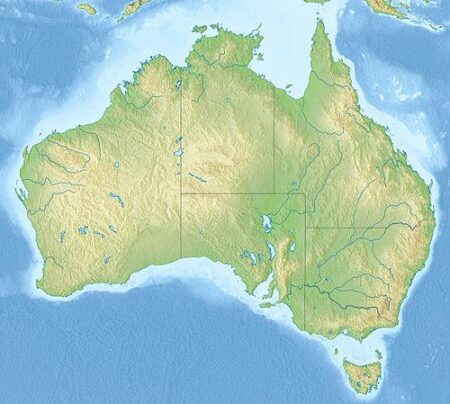
Australia is ramping up its regulatory framework for cryptocurrencies, as exchanges expand amid rising interest. This move aims to enhance consumer protection and financial stability, testing the industry's adaptability to stricter oversight.
The UK is in discussions with the US regarding potential car tariffs, with an eye on Tesla subsidies, according to Shadow Chancellor Rachel Reeves. These negotiations may reshape automotive trade dynamics and enhance UK competitiveness in the EV market.
Brazil has postponed a proposed tax on big tech companies as negotiations intensify around potential tariffs linked to the Trump administration. Sources indicate that this decision aims to balance its economic strategy amid ongoing international discussions.
The UK government's recent estimates indicate that proposed welfare cuts could push an additional 250,000 individuals into poverty. Critics are raising concerns about the potential impact on vulnerable populations across the nation.
In response to rising concerns over illegal immigration, former President Donald Trump is focusing efforts on the U.S.-Canada border. With some migrants employing remote routes to bypass official checkpoints, authorities are ramping up surveillance and efforts to manage the flow.
The UK government has announced significant increases in immigration and nationality fees, impacting applicants seeking visas, citizenship, and other services. Stakeholders are advised to prepare for heightened costs in the immigration process, effective soon.
Donald Trump's recent actions and rhetoric may be inadvertently bolstering liberal sentiments in Canada. His controversial policies and divisive statements are energizing progressive movements, creating a rallying point for Canadian liberals as they seek to differentiate their values from his administration.
Recent detentions at the U.S. border have led the UK, Germany, and several Nordic nations to reassess their travel advisories. Travelers are urged to remain informed about potential border issues and associated legal risks when planning trips to the U.S.
The UK government is contemplating scrapping its £180 million trade system designed for post-Brexit customs checks. The potential move raises questions about efficiency and trade relations, as businesses face ongoing delays and complexities in the new regime.
China's GDP forecast has been upgraded as the economy shows robust growth from a strong start to the year and increased capital investments. Despite ongoing trade tensions and tariffs, confidence in China's economic resilience continues to strengthen.
Germany's upper house has approved a landmark defense spending bill, signaling a significant shift in the country's military policy. The move reflects heightened security concerns and commitment to NATO obligations, boosting defense budgets amid global tensions.
The U.S. government has barred former Argentine President Mauricio Macri from entering the country, citing concerns over corruption and human rights violations during his administration. This move signals heightened scrutiny on international political figures implicated in such issues.