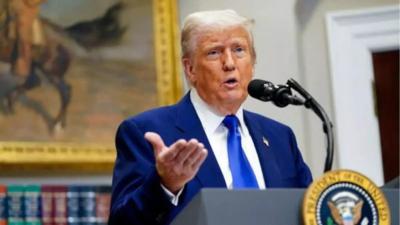
In a daring move during the stalled ceasefire talks in Qatar, former President Trump has unveiled an ambitious ‘freedom zone’ plan for Gaza. This initiative seeks to ignite stability and spur economic growth in the region. However, skeptics are raising eyebrows about its feasibility given the persistent tensions on the ground.

Browsing: humanitarian issues
France has voiced its backing for a thorough review of the EU-Israel trade agreement in light of the intensifying violence in Gaza. This stance highlights the increasing apprehension regarding the humanitarian crisis unfolding in the region, prompting European nations to reevaluate their diplomatic relationships with Israel.
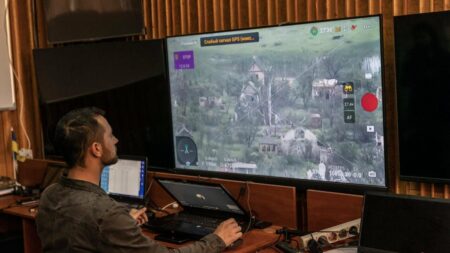
CNN brings you live updates from a Ukrainian monitoring center, where excitement is palpable as the prospect of a Russian ceasefire looms on the horizon. This visit highlights the growing global interest in fostering peace amidst the backdrop of ongoing tensions and conflicts in the region.
Germany’s Interior Minister has unveiled a bold new strategy: the country will now turn away undocumented migrants at its borders. This decisive action is part of a broader effort to strengthen immigration control in response to growing worries about security and integration. It marks a significant shift in Germany’s stance towards asylum seekers, reflecting the nation’s evolving priorities.
In a bold statement, former President Donald Trump took aim at the choice to exclude Russia from the G8, arguing that this decision has triggered severe repercussions. He emphasized that millions are enduring hardships because of it, calling the move a “foolish decision” in light of escalating global tensions.
The Ukrainian Ambassador to the U.S. has strongly condemned Russia for launching drones at “completely civilian targets,” highlighting the alarming risks faced by innocent civilians in this ongoing conflict. This troubling escalation not only intensifies the violence but also raises urgent questions about the humanitarian consequences of the war.
The UK has taken a significant step by lifting sanctions on a dozen Syrian government bodies, hinting at a possible change in its strategy regarding the ongoing crisis. This decision could pave the way for much-needed humanitarian aid to reach those in need, although worries about government accountability continue to loom large.
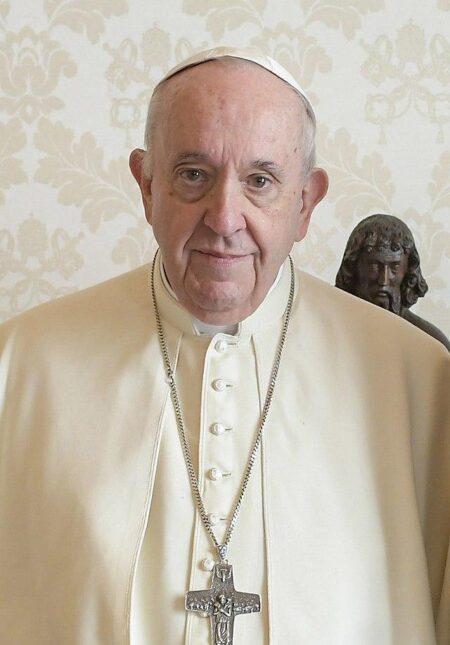
As Buenos Aires honors the legacy of Pope Francis, mourners celebrate him as a heartfelt champion for the marginalized. His compassionate listening and unwavering dedication to social justice transformed him into a beloved voice for the underprivileged, symbolizing hope in a city wrestling with deep-rooted inequality.
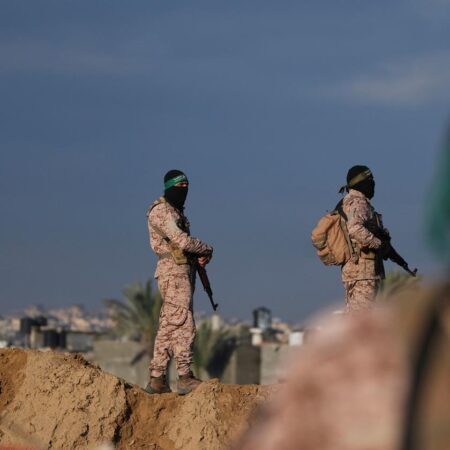
In a surprising turn of events, Hamas officials have shown a readiness to engage in negotiations for the release of hostages and are open to exploring a five-year truce in Gaza. This pivotal moment could signal a significant shift in the enduring conflict, igniting hopes for a sustainable peace agreement.
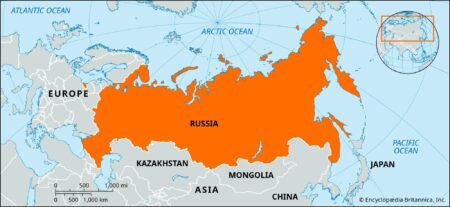
In a surprising move, Russia has declared a unilateral truce for Easter, hoping to bring some respite to the ongoing conflict. Yet, Ukraine counters this announcement with reports of persistent attacks, raising questions about the true effectiveness of the ceasefire. As both sides grapple with these intricate dynamics, the atmosphere remains charged and uncertain.
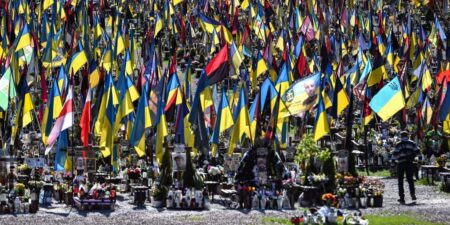
Kyiv celebrated Easter under the shadow of a delicate truce, where the spirit of the holiday was tinged with lingering tensions. A fleeting one-day ceasefire between Russia and Ukraine faced challenges, leaving many to wonder if true peace and safety could be realized during this sacred time.
The UK and France are currently in talks to forge a groundbreaking migrant returns deal that promises to bolster border security and tackle the challenges of cross-Channel migration. These discussions aim to strengthen collaboration, making it more difficult for illegal crossings while also simplifying the return processes for those who do not qualify for asylum.
The European Union has made a strong appeal for clear and concrete evidence that Russia is truly halting its military actions in Ukraine, highlighting its unwavering dedication to diplomatic solutions. This urgent call for proof arises against a backdrop of escalating tensions and growing worries about the continuation of hostilities.
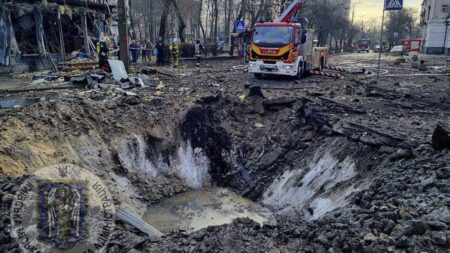
In a tragic turn of events, Russian assaults on Ukraine’s Kharkiv and Sumy regions have claimed the lives of at least two individuals, as reported by local sources. These attacks have intensified the already high tensions in the ongoing conflict, posing an even greater threat to civilian safety and wreaking havoc on the fragile infrastructure in these war-torn areas.
French President Emmanuel Macron announced that France may recognize a Palestinian state by June, signaling a potential shift in diplomatic relations. This move aims to revive the stalled peace process and support Palestinian statehood in the ongoing conflict.
Truce agreements between Ukraine and Russia face immediate challenges, as fresh reports of violations emerge within hours of their announcement. The fragile ceasefire highlights ongoing tensions and raises questions about the prospects for lasting peace in the region.
As tensions persist, Ukraine and Russia face pivotal conditions that could pave the way for a ceasefire. Both nations may need to navigate complex concessions to address territorial disputes and security guarantees, raising questions about their willingness to compromise.
US border officials are intensifying scrutiny of senior green card holders, raising concerns among immigrant communities. The increased targeting aims to address compliance and security but has sparked fears of discrimination and legal challenges.
Ukraine has expressed its willingness to accept a US proposal for a 30-day ceasefire with Russia. This development highlights ongoing diplomatic efforts to de-escalate the conflict, as both nations grapple with the repercussions of prolonged hostilities.
Germany’s asylum seekers express growing anxiety over Friedrich Merz’s proposed immigration reforms, which could tighten entry requirements and complicate their paths to residency. Many fear these changes may jeopardize their hopes for a stable future.