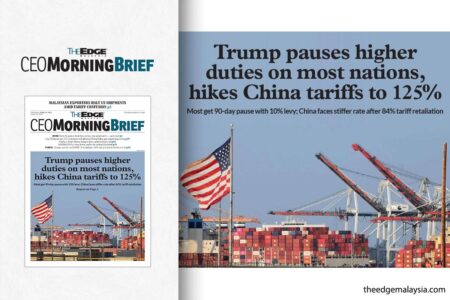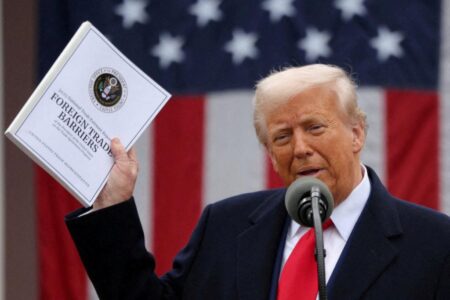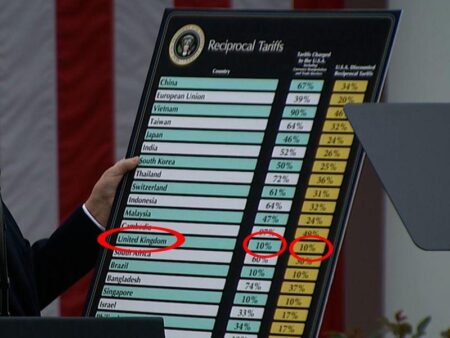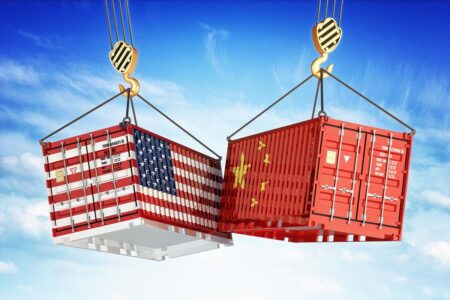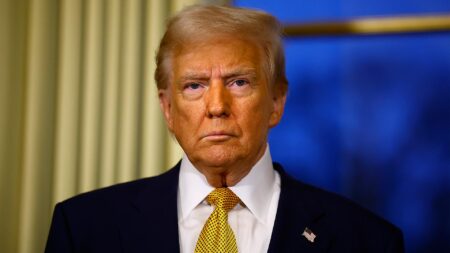
In a surprising move, President Trump announced a temporary pause on escalating tariffs, allowing for a 90-day window for negotiations. However, he simultaneously raised China’s levy to an unprecedented 125%, intensifying ongoing trade tensions.
Browsing: import duties
Starting April 9, Canada will implement counter-tariffs on U.S.-made vehicles. This move targets a range of automobiles and auto parts, potentially raising prices for consumers and impacting trade relations between the two nations.
China has imposed a 34% tariff on select U.S. imports in response to escalating trade tensions. Analysts debate whether this move is a strategic escalation or a bid to de-escalate relations. The impact on global markets and diplomatic ties remains uncertain.
In response to President Trump’s tariffs, Canada has enacted a 25% levy on US auto exports, escalating trade tensions between the two countries. This move aims to protect Canadian manufacturers and counterbalance the economic impact of US tariffs.
India has imposed new tariffs affecting several sectors, prompting concerns among trade partners. While some nations face repercussions, others brace for retaliatory measures, creating a complex landscape in international trade relations. Stakeholders are watching closely.
In a recent address, former President Donald Trump highlighted April 2 as “Liberation Day,” signaling the launch of a new round of tariffs. This announcement comes amidst ongoing trade tensions and aims to reshape economic strategies. Live updates will follow.
Canada and the European Union have announced retaliatory tariffs in response to recent U.S. trade policies, further escalating tensions in the ongoing trade war initiated by the Trump administration. The new tariffs target key industries, highlighting global trade frictions.
In a significant shift, President Trump has reversed his threat to impose new tariffs on Canada following Ontario’s decision to rescind controversial electricity charges. This move aims to enhance trade relations and ease tensions between the two nations.
In a surprising policy shift, President Trump announced he will not proceed with plans to double tariffs on certain imports from Canada. This reversal comes amid ongoing trade negotiations, signaling a potential thaw in U.S.-Canada relations.
In response to recent U.S. tariffs, Canada has announced $29.8 billion in counter-tariffs targeting key American goods. This escalation in trade tensions underscores ongoing disputes and aims to protect Canadian industries amidst rising economic pressures.
In a surprising shift, former President Trump announced the reinstatement of 25% tariffs on Canadian metals, reversing previous statements. This move raises concerns about trade relations and could impact various industries reliant on Canadian imports.
In a striking shift, former President Trump has threatened new tariffs on Canadian lumber and dairy just one day after lifting duties on imports from Canada and Mexico. This move raises questions about trade relations and economic policy in North America.
The U.S. has enacted new tariffs on imports from Canada and Mexico, alongside increased tariffs on Chinese goods. This move, outlined by the law firm Clark Hill, aims to address trade imbalances and bolster domestic industries amid ongoing economic tensions.
In a recent move, Trump has paused certain tariffs on imports from Mexico and Canada, impacting various goods. Exemptions primarily include critical materials for manufacturing. Analysts speculate on potential trade negotiations and future tariff adjustments.
India may avoid the Trump administration’s tariffs set to begin on April 2, according to sources. Negotiations are ongoing, focusing on trade imbalances and tariffs on Indian goods, potentially allowing for exemptions or reduced rates.
China has announced the implementation of additional tariffs ranging from 10% to 15% on a variety of U.S. farm products, a move expected to escalate trade tensions between the two nations. The tariffs target key agricultural exports, impacting both economies.
Trump’s China tariffs have sparked retaliatory measures impacting U.S. farm products. Chinese tariffs on American agricultural goods threaten to undermine the struggling farming sector, intensifying trade tensions between the two nations.
In a significant move, President Trump has announced a 10% increase in tariffs on Chinese imports, escalating trade tensions between the two countries. This strategy aims to protect U.S. industries but may further complicate global supply chains and consumer prices.
In a significant shift in trade policy, President Trump’s tariffs on imports from Canada, Mexico, and China have taken effect, aiming to protect American industries. Critics argue these measures could disrupt supply chains and raise consumer prices.
In a recent statement, Bessent urged Canada to adopt a stance similar to Mexico’s regarding tariffs on Chinese imports. He emphasized the need for a unified approach to address competitive imbalances and protect national interests in trade.