
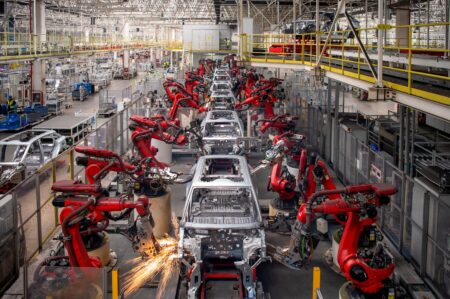
China’s factory activity stumbled in May, weighed down by rising US tariffs. This downturn underscores growing hurdles for the manufacturing sector amid ongoing trade tensions, Reuters reports
China’s factory activity stumbled in May, weighed down by rising US tariffs. This downturn underscores growing hurdles for the manufacturing sector amid ongoing trade tensions, Reuters reports
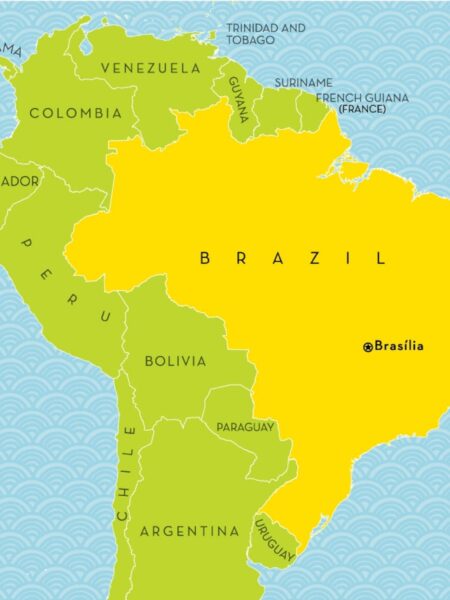
In a bold move to safeguard its domestic steel industry, Brazil has reintroduced tariffs and quotas on steel products. This strategic decision comes in response to the ever-changing global market landscape, aiming to empower local manufacturers. As trade tensions simmer and challenges persist within the sector, Brazil is taking decisive steps to ensure its steel industry remains resilient and competitive.

In a significant diplomatic breakthrough, French President Emmanuel Macron and Chinese President Xi Jinping have joined forces to tackle the enduring cognac trade dispute. This exciting collaboration is set to strengthen bilateral trade relations and bring economic benefits to both nations.

In a bold move driven by soaring tariffs and mounting financial challenges, a cherished rubber duck museum is making its way to Canada! This exciting relocation not only seeks to ensure the museum’s sustainability in the face of increasing operational costs in the U.S., but also sheds light on how trade policies are shaping the future of small businesses everywhere.

Beijing is basking in the glow of a strategic triumph with the recent truce on U.S. tariffs, signaling a hopeful thaw in trade tensions. As both nations take a moment to reevaluate their economic strategies, China is poised to bolster its standing in global markets while nurturing robust domestic growth.
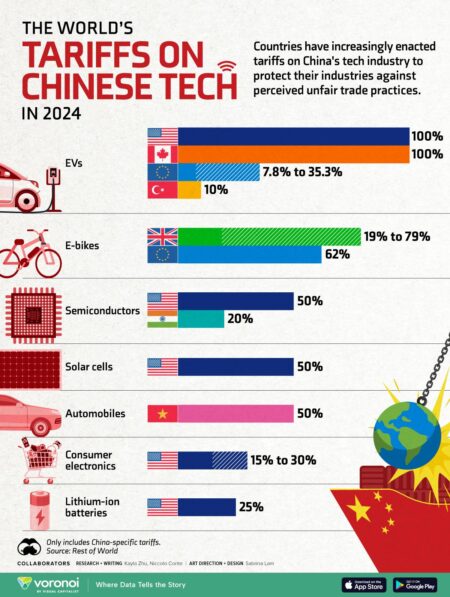
Even with tariffs slashed from a staggering 145%, small businesses caught in the whirlwind of US-China trade tensions are still grappling with formidable challenges. Experts caution that the persistent uncertainty and rising costs are putting immense pressure on their operations and pricing strategies.
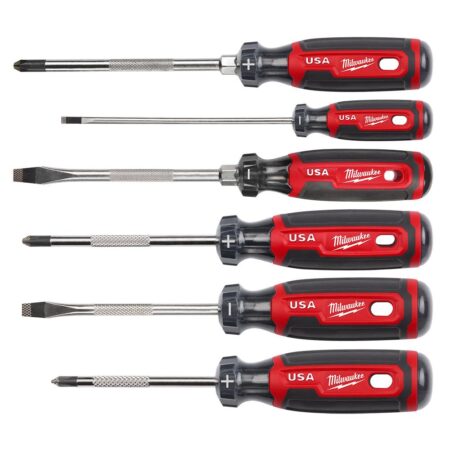
Even with tools proudly stamped “Made in USA,” they aren’t shielded from the effects of tariffs. The surge in material costs and ongoing supply chain hiccups can still drive prices up. However, savvy consumers can navigate this tricky landscape by hunting for local alternatives and taking advantage of discounts, ensuring they get the best bang for their buck!
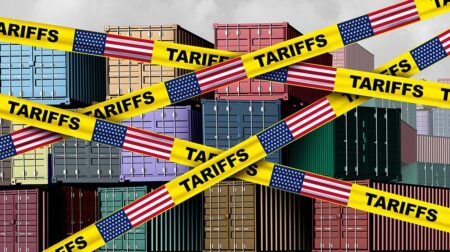
New tariffs aimed at revitalizing American manufacturing are unexpectedly pushing businesses to seek opportunities in Canada. Companies are highlighting the allure of lower production costs and more favorable trade conditions as major reasons for their move, posing a significant challenge to U.S. policy objectives.

In a recent statement, former President Donald Trump revealed an exciting development: India has proposed the elimination of tariffs on U.S. goods! This bold move aims to bolster trade relations between the two nations. This revelation sheds light on the dynamic conversations surrounding international trade policies as global economic landscapes continue to evolve

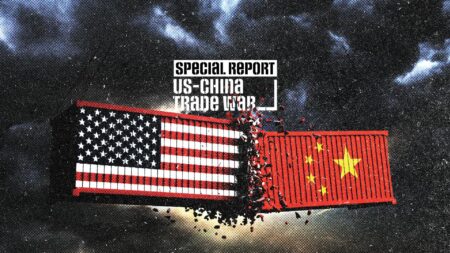
In a groundbreaking move to alleviate rising trade tensions, the U.S. and China have reached an agreement to temporarily lower tariffs on a variety of goods. This pivotal decision is designed to promote economic stability and rejuvenate bilateral trade, hinting at a possible thaw in their prolonged trade war.
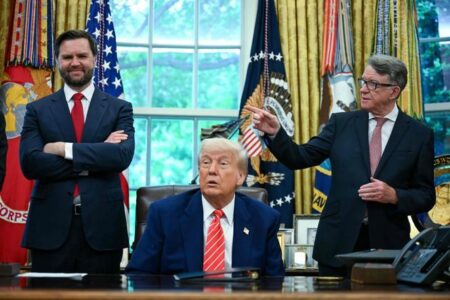
The newly forged US-UK tariffs agreement is set to pave the way for smoother trade relations by slashing tariffs on essential goods. In a bid to bolster their economic partnership in the wake of Brexit, both countries are focused on fostering mutual growth and prosperity. It’s crucial for businesses to stay updated on how these changes will impact their exports and imports.

In a groundbreaking agreement, the UK and India have unveiled an exciting plan to cut tariffs on whisky and textiles, paving the way for enhanced trade relations. This deal represents a pivotal moment in fortifying the economic bonds between these two vibrant nations.

The UK and India have just sealed a landmark trade deal, designed to fortify their economic partnership in the face of rising U.S.-led tariff tensions. This exciting agreement is set to enhance trade relations and unlock fresh market opportunities for both countries.

The UK’s walnut market is poised for exciting growth, projected to expand at a compound annual growth rate (CAGR) of over 1.5% over the next decade, as revealed in a recent report by IndexBox. This upward trend is fueled by a surge in health consciousness and an ever-growing appetite among consumers for nutritious snacks.
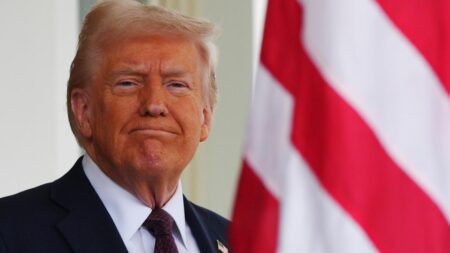
Trump’s tariffs are shaking up global supply chains, causing a ripple effect of rising costs for both manufacturers and consumers. As businesses grapple with delays and the daunting maze of trade barriers, they find themselves in a state of heightened uncertainty. This turmoil not only complicates their operations but also poses significant challenges to our broader economic recovery efforts.

The UK is actively exploring the possibility of slashing tariffs in a bid to clinch a post-Brexit trade deal with the Trump administration. This strategic maneuver highlights London’s determination to build fresh economic connections as global trade dynamics continue to evolve.
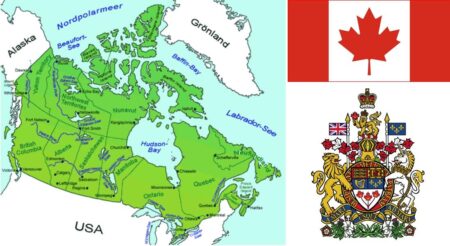
In response to the recent tightening of auto tariffs by the United States, Canadian Prime Minister announced that Canada will implement matching tariffs. This move is aimed at protecting Canadian industries amid escalating trade tensions between the two countries.

Brazil is shifting its focus toward negotiation in response to recent U.S. trade tariffs, officials announced. The move aims to address trade tensions and foster stronger economic ties between the two nations, emphasizing dialogue over confrontation.

As tensions escalate in the ongoing trade conflict, experts weigh in on whether China can withstand a prolonged U.S. tariff war. With its vast manufacturing base and strategic economic measures, Beijing may have tools to mitigate the impact.