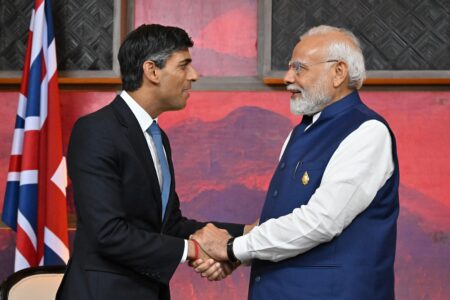
The UK and India have just sealed a landmark trade deal, designed to fortify their economic partnership in the face of rising U.S.-led tariff tensions. This exciting agreement is set to enhance trade relations and unlock fresh market opportunities for both countries.

Browsing: international trade
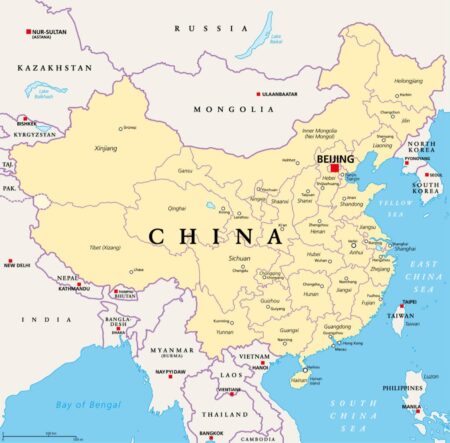
China’s financial officials are gearing up for a pivotal briefing in light of the intensifying tariff threats from the U.S. With trade tensions on the rise, these officials are determined to tackle market anxieties head-on and unveil strategies designed to bolster economic stability in these uncertain times
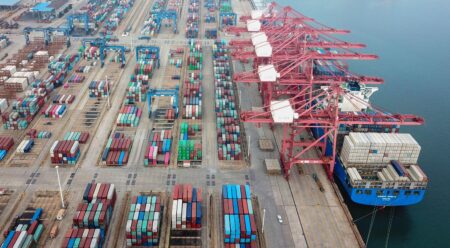
Temu has halted shipments from China to the U.S. after the de minimis tariff exemption came to an end. This significant policy shift could reshape the landscape of cross-border e-commerce, potentially driving up prices for consumers and altering the availability of products in unexpected ways.
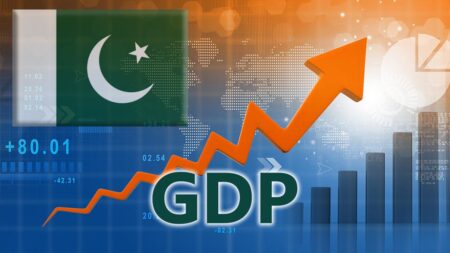
In a major blow to Pakistan’s economy, India has taken the drastic step of blocking $500 million in Pakistani goods from entering its market through third countries. This bold move is set to deepen the already tense trade relations between the two nations and poses a serious risk to Pakistan’s economic stability.
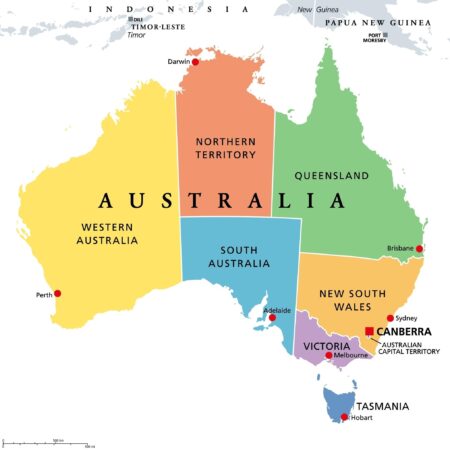
Australia’s re-elected government has made it clear that steering through the turbulent waters of the US-China trade war is its foremost priority. Leaders are passionately highlighting the importance of strengthening ties with both economic powerhouses, all while fiercely protecting Australia’s interests in this climate of escalating tensions.
Chinese exporters are cleverly navigating around tariffs imposed by the Trump administration by routing their goods through third countries, a savvy tactic known as “product washing.” This innovative strategy not only helps them cut costs but also keeps them competitive in the bustling U.S. market
Amid rising trade tensions, India faces a crucial moment to champion equity by establishing strong safeguards for its most vulnerable sectors. As Trump’s trade war transforms the landscape of global markets, it becomes imperative to craft targeted policies that create fair opportunities for everyone.
China is making a strategic move to lessen its dependence on US Treasuries, redirecting its investments towards more dynamic options like commodities and emerging markets. This shift not only showcases a savvy financial strategy but also underscores China’s commitment to bolstering its financial stability in the face of rising geopolitical tensions
Argentina has taken a bold step by lifting tariffs on electric vehicles (EVs), paving the way for a dynamic and competitive environment for local manufacturers. With an influx of budget-friendly Chinese imports, this decision could revolutionize the nation’s automotive landscape, pushing homegrown brands to rise to the challenge and spark innovation like never before.
In a significant policy shift, President Javier Milei has lifted tight currency and capital controls in Argentina, aiming to stimulate economic growth. This move is expected to increase market confidence but may also raise concerns about inflation and financial stability.
In a bold and transformative policy shift, Argentina has officially scrapped export duties on thousands of manufactured goods! This exciting move is set to enhance the country’s competitiveness in global markets, breathing new life into the economy and providing a much-needed boost for local manufacturers.
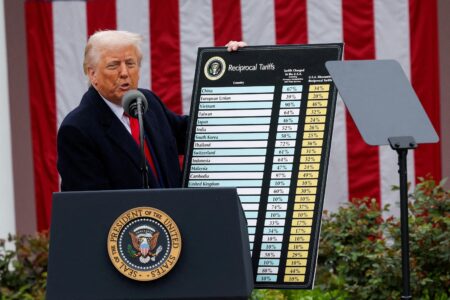
As shipments from China dwindle, the effects of Trump’s tariffs are still echoing throughout the U.S. economy. Experts caution that ongoing trade tensions may stifle growth, posing challenges for both businesses and consumers as inflation worries mount.
In an exciting development, China has officially welcomed Brazilian wild caught seafood into its market! This strategic shift in sourcing aims to diversify suppliers and meet the surging global demand for seafood. With this move, Brazil is set to emerge as a significant player in the industry, bringing fresh opportunities and flavors to tables around the world.
In a captivating recent article, The Atlantic delves into the potential repercussions of Trump’s policies, suggesting we might be on the brink of a new “China shock.” This phenomenon echoes the economic upheavals experienced in the early 2000s. Experts are sounding the alarm, indicating that these shifting trade dynamics could profoundly affect American industries and job markets.
China’s bold gold-buying spree has captured global attention. In a time of economic uncertainty and currency fluctuations, Beijing is on a mission to strengthen its financial stability and lessen its dependence on the U.S. dollar, all while establishing itself as a powerful contender in the international market.
Delta Air Lines is soaring to new heights by unveiling an exciting new route for its Airbus A350 to Japan, cleverly sidestepping the Trump-era tariffs. This bold move not only underscores the airline’s strategic growth but also demonstrates its ability to navigate trade challenges with finesse, showcasing remarkable resilience in a fiercely competitive market.
German markets surged dramatically as President Trump unveiled a temporary reprieve from auto tariffs, alleviating investor worries and turning around earlier losses from April. This strategic decision sent automotive sector shares soaring, igniting a wave of renewed optimism about the industry’s future.
In a recent statement, President Trump expressed optimism about the ongoing tariff negotiations with India, declaring them as “going great” and highlighting significant strides in trade relations. At the same time, he took decisive action by signing an executive order designed to invigorate the auto industry, addressing growing concerns from manufacturers.
Vitol is ramping up its oil purchases from Venezuela as the clock ticks down on a crucial U.S. license that allows these transactions. This bold move highlights the trading giant’s strategic maneuvering to lock in supplies while navigating the increasingly stringent sanctions on Venezuelan crude.
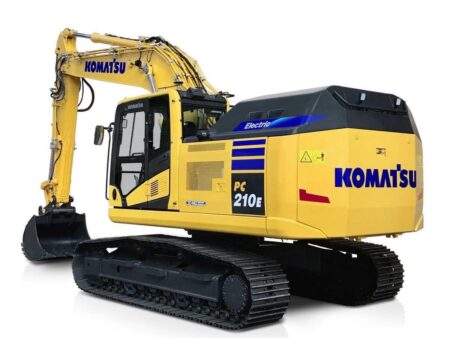
Japan’s Komatsu is bracing for a significant 27% drop in profits this year, a setback they attribute to the rising strength of the yen and persistent tariffs. As global market dynamics evolve, this heavy machinery giant finds itself navigating an increasingly challenging landscape.