Canada has stated it will not eliminate its tariffs unless the United States removes all levies, according to a government official. This stance underscores ongoing trade tensions and highlights the complexities of bilateral negotiations.
Browsing: international trade
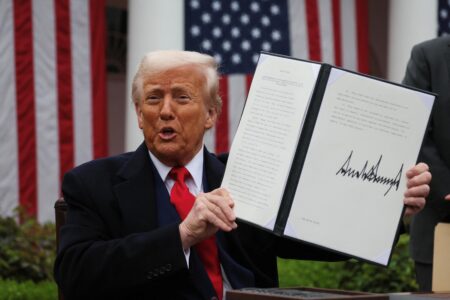
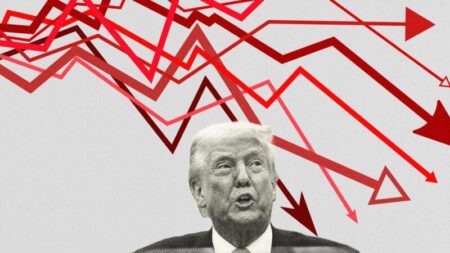
In a bold economic move, President Trump has imposed tariffs on imports from Canada, China, and Mexico, igniting a trade war that analysts warn could escalate tensions and lead to significant price hikes for consumers across various sectors.
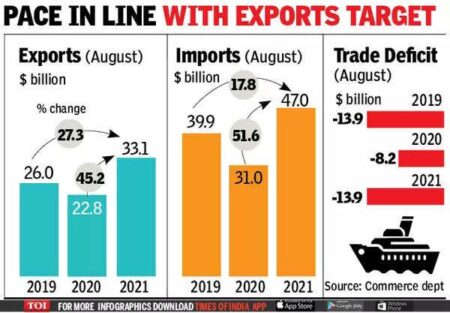
India may avoid the Trump administration’s tariffs set to begin on April 2, according to sources. Negotiations are ongoing, focusing on trade imbalances and tariffs on Indian goods, potentially allowing for exemptions or reduced rates.
In response to President Trump’s tariffs, Canada and China have announced retaliatory measures, raising concerns of an escalating trade war. Both nations aim to protect their economies as tensions heighten in global trade relations.
In a recent statement, former President Trump claimed that U.S. banks are barred from operating in Canada. However, experts argue that financial regulations are more nuanced, and U.S. banks often navigate specific frameworks to establish a presence internationally.
In light of recent statements by Lutnick, speculation is mounting around a potential tariff deal between Canada and Mexico. Market analysts will keenly monitor financial markets for reactions, particularly in sectors heavily reliant on cross-border trade.
Javier Milei’s recent visit to Washington underscores his commitment to promoting freer trade between the U.S. and Argentina. Such a shift could enhance economic ties, boost exports, and foster investment, potentially benefiting both nations’ economies.
China has announced the implementation of additional tariffs ranging from 10% to 15% on a variety of U.S. farm products, a move expected to escalate trade tensions between the two nations. The tariffs target key agricultural exports, impacting both economies.
The Associated Press reports that Trump’s tariffs on Mexico, Canada, and China target a range of goods, including agricultural products, electronics, and vehicles. This trade policy aims to bolster domestic industries but risks escalating tensions and consumer prices.
UK Finance Minister has emphasized the necessity of “give and take” in ongoing negotiations to prevent the imposition of tariffs by the US. This statement reflects concerns over potential trade barriers that could impact UK businesses amid turbulent economic conditions.
In a recent commentary, CNBC’s Lutnick suggested that President Trump may announce a reduction of tariffs on Canada and Mexico as early as Wednesday. This potential shift could reshape trade relations and impact key industries in both nations.
In a significant move, President Trump has announced a 10% increase in tariffs on Chinese imports, escalating trade tensions between the two countries. This strategy aims to protect U.S. industries but may further complicate global supply chains and consumer prices.
Starting Tuesday, Trump’s tariffs on imports from Canada and Mexico will take effect, affecting a range of goods. Consumers could see rising prices on products such as steel, aluminum, and certain food items as costs increase along the supply chain.
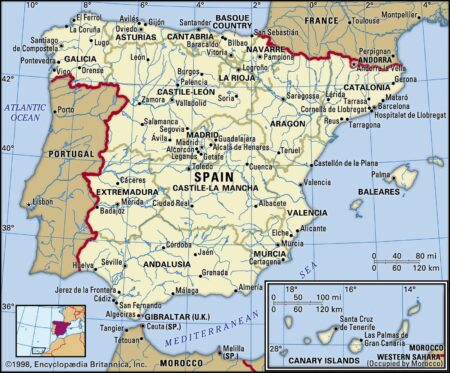
Spain’s economy has transformed from crisis to strength, boasting robust growth and low unemployment. Strategic reforms, strong exports, and a burgeoning tech sector have positioned it as a model for European recovery, drawing admiration and investment.
Recent analyses from Liberty Street Economics reveal that the decline in U.S. imports from China may not be as significant as official data suggests. The discrepancy highlights the complexities of trade metrics and their impact on economic assessments.
India and the European Union have set a year-end deadline to finalize a free trade agreement, aiming to strengthen economic ties amid rising tariff threats from the U.S. under the Trump administration. This pact could enhance mutual trade benefits significantly.
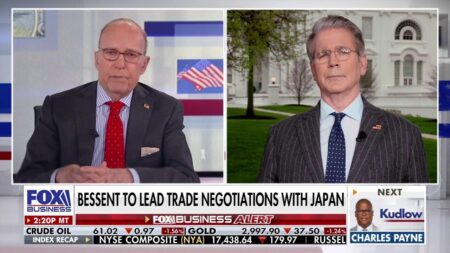
In a bid to strengthen trade negotiations, U.S. Trade Representative Katherine Bessent urged Canada and Mexico to adopt tariffs similar to those imposed on China. This move aims to create a unified front against unfair trade practices and boost North American economic stability.
European Commission President Ursula von der Leyen has announced that the EU and India aim to finalize a comprehensive free-trade agreement by the end of this year. This pact seeks to enhance economic ties and boost trade between the two regions.
Argentina’s government has approved the export of live cattle amid a surge in beef shipments. This decision aims to capitalize on high global demand for Argentine beef, enhancing trade opportunities while potentially impacting domestic supply and prices.
Former President Trump announced that tariffs on imports from Canada and Mexico will proceed, indicating potential for additional taxes in the future. The announcement underscores ongoing trade tensions as negotiations continue between the nations.