

US orders from Chinese small businesses face delays as Trump-era tariffs continue to impact trade relations. The hold on these imports underscores ongoing economic tensions, affecting suppliers and pricing in the global market.
Browsing: international trade
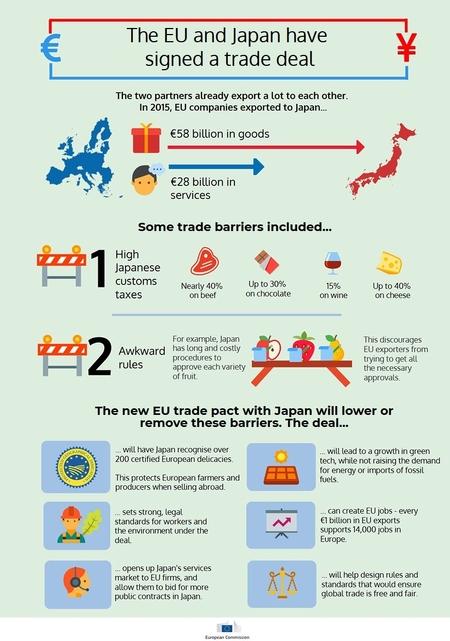
Bessent has identified Japan, the U.K., Australia, and South Korea as key priorities for future trade agreements, aiming to strengthen economic ties and enhance market access. This strategic focus signals a commitment to expanding international trade relations.
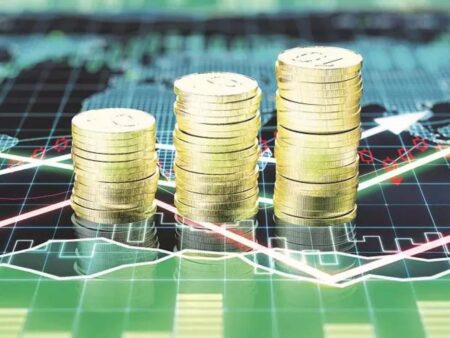
India’s foreign exchange reserves have surged to $676.3 billion, according to the central bank governor, reflecting a robust external position. This increase highlights the country’s resilience amid global economic uncertainties, bolstering confidence in the Indian economy.

Brazil aims to enhance its international presence by engaging in talks with the United States, while simultaneously pursuing expanded trade deals with other nations, a government official stated. This strategy underscores Brazil's intent to boost economic growth.

Japan has no intention of leveraging U.S. Treasurys amid ongoing tariff discussions, reaffirming its commitment to stable financial markets. Officials emphasize the importance of cooperative trade relations while navigating complex economic challenges.

As tensions escalate in the trade war, China is strategically recalibrating its economic policies in response to increased pressure from the Trump administration. Beijing is focusing on strengthening domestic markets while seeking new trade partnerships to mitigate potential impacts.

Manufacturing has driven Brazil-U.S. trade to unprecedented levels in the first quarter, according to Valor International. The surge highlights strengthened economic ties and growing demand for Brazilian products in the American market, signaling robust bilateral relations.
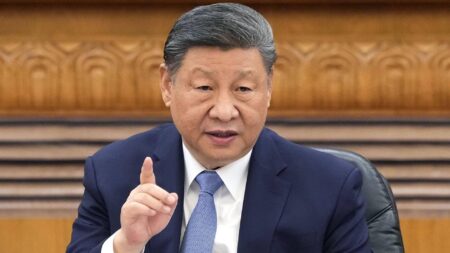
Chinese President Xi Jinping embarks on an aggressive diplomatic tour across Asia, seeking to bolster trade relations amid an ongoing tariff war with the United States. His efforts aim to strengthen alliances and mitigate economic impacts from the escalating conflict.
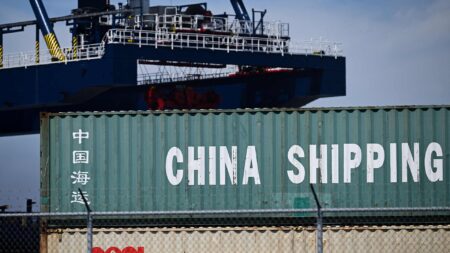
China has urged the United States to "correct its mistakes" by eliminating reciprocal tariffs that have strained trade relations. This call reflects ongoing tensions as both countries seek to navigate economic challenges amidst a complex global landscape.
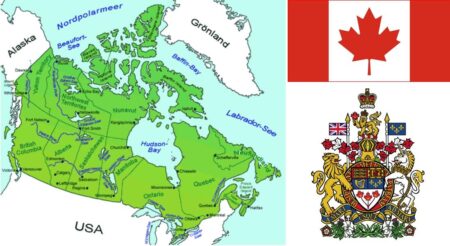
In response to the recent tightening of auto tariffs by the United States, Canadian Prime Minister announced that Canada will implement matching tariffs. This move is aimed at protecting Canadian industries amid escalating trade tensions between the two countries.
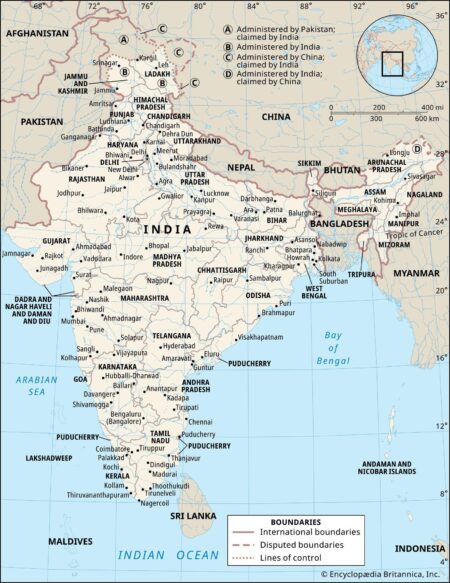
India has asserted its commitment to fair trade practices following Donald Trump's decision to impose a 90-day pause on tariffs. The Indian government emphasized that negotiations should not occur under pressure, reaffirming its stance on equitable economic dialogue.
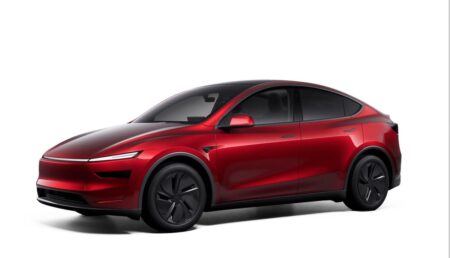
Tesla has halted new orders for two imported, US-made models in China, as reported by Reuters. This move reflects ongoing challenges in the Chinese market, where competition and regulatory pressures continue to intensify for the electric vehicle manufacturer.
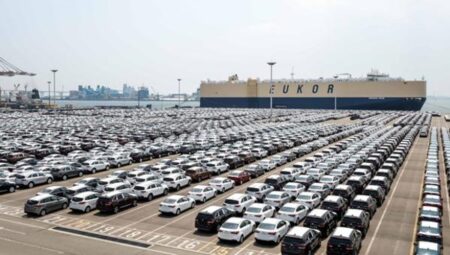
Japan faces a potential loss of $17 billion in car exports if the United States implements proposed tariffs, according to the UN trade agency. This move could significantly impact Japan's automobile industry, which is a vital part of its economy.
In a bold push for domestic manufacturing, Trump's "Made in USA" initiative could potentially triple iPhone prices, raising concerns among consumers. A recent report reveals significant price disparities globally, highlighting the least expensive markets for the iconic device.
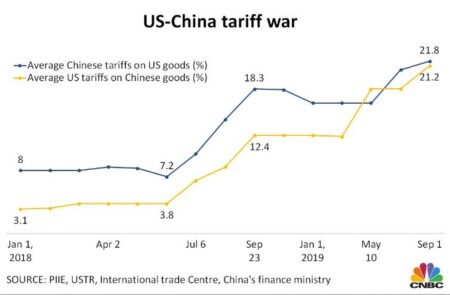
As the U.S.-China tariff war intensifies, Canadian consumers may face rising online shopping prices. Experts warn that increased tariffs on Chinese goods could lead to higher costs for retailers, which might be passed on to Canadian shoppers.

Brazil is shifting its focus toward negotiation in response to recent U.S. trade tariffs, officials announced. The move aims to address trade tensions and foster stronger economic ties between the two nations, emphasizing dialogue over confrontation.
Former President Donald Trump claimed that his tariff policy is "doing really well," following China's imposition of a 125% levy on U.S. goods. His comments come amid escalating trade tensions, as both nations grapple with the implications for their economies.
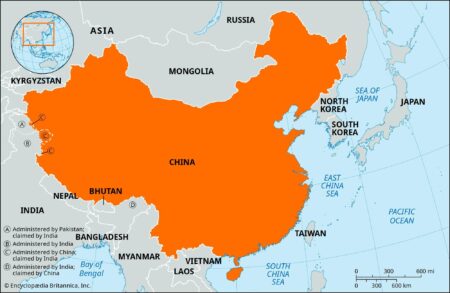
The Chinese Embassy in India has urged both nations to unite against U.S. tariffs, emphasizing the need for collaboration in facing economic challenges. This call for solidarity comes amidst escalating trade tensions between the U.S. and China.

Apple, Nvidia, and Microsoft can 'breathe a huge sigh of relief' following the recent exemption from tariffs on key products imported from China. This development is expected to stabilize supply chains and boost profitability for these tech giants.

The UK has officially banned personal imports of meat and dairy products from the EU, citing biosecurity concerns. The move aims to prevent the spread of animal diseases and align with post-Brexit regulations, affecting travelers and consumers across the nation.