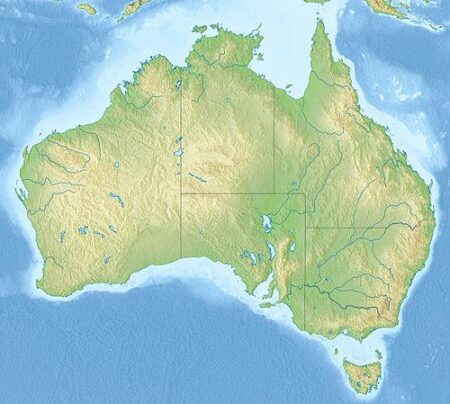
The US and Australia are engaged in a contentious beef trade dispute, marked by rising tariffs that threaten the meat industry. As both countries grapple with trade regulations, understanding the implications for farmers and consumers is crucial.
The US and Australia are engaged in a contentious beef trade dispute, marked by rising tariffs that threaten the meat industry. As both countries grapple with trade regulations, understanding the implications for farmers and consumers is crucial.
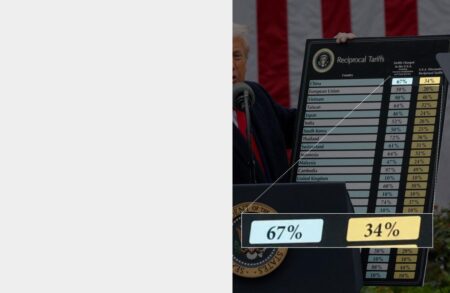
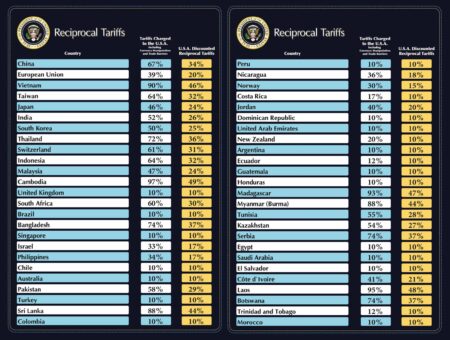
The United States Trade Representative's reciprocal tariff calculations play a crucial role in shaping international trade relations. By assessing tariffs imposed by trading partners, the U.S. aims to foster fair competition and protect domestic industries.
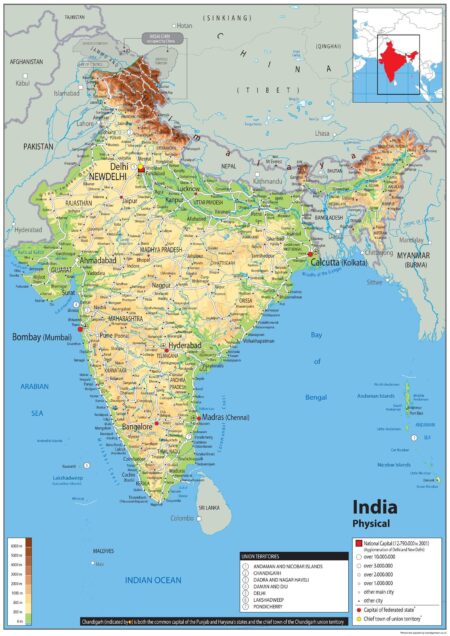
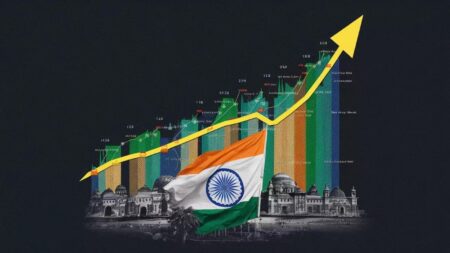
The upcoming 26% US tariffs on Indian goods are poised to impact domestic players significantly, according to top exporters' bodies. This increase could dampen competitiveness in the global market, affecting trade dynamics between the two nations.
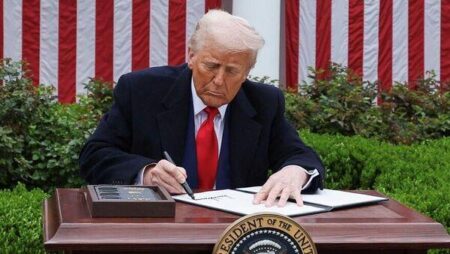
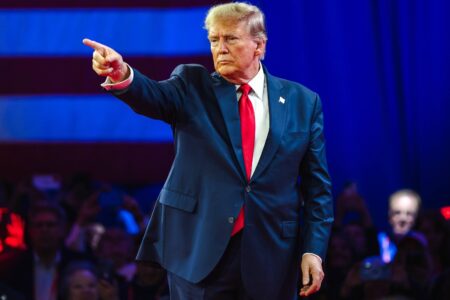
Australia and global markets reacted swiftly to Donald Trump's US tariff plan, with concerns over potential trade wars igniting tensions. Experts warn that these tariffs could disrupt supply chains and impact economic growth worldwide, prompting calls for diplomatic negotiations.
In response to Trump's tariffs, several affected countries are pursuing negotiations to mitigate trade impacts. Meanwhile, China emphasizes that trade wars yield no winners, urging for dialogue to resolve tensions and restore economic stability.
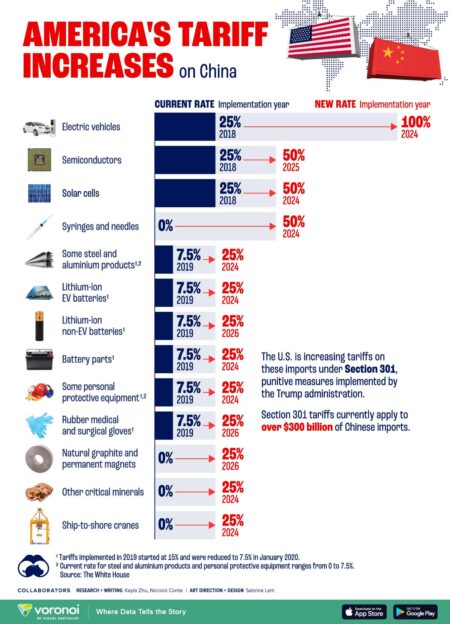
In a sweeping move, former President Trump's new trade order imposes tariffs of at least 54 percent on Chinese imports. This escalation in trade tensions could significantly impact U.S.-China relations and global markets. Stakeholders are bracing for potential economic repercussions.
China is poised to increase its imports from India amid looming U.S. tariffs on Chinese goods. This strategic shift could bolster India's economy and strengthen bilateral trade relations, offering a potential buffer against U.S. trade pressures.
The Kremlin has revealed that American companies are beginning to take an interest in russian rare earth projects, signaling a potential shift in the landscape of global resource partnerships. As the demand for rare earth elements—critical components in a wide array of technologies from electric vehicles to smartphones—continues to rise, this advancement underscores the strategic importance of Russia’s untapped mineral wealth. Reuters reports that discussions are underway,highlighting an emerging avenue for collaboration despite the backdrop of geopolitical tensions adn economic sanctions. With the U.S. actively seeking to diversify its supply chains and reduce reliance on foreign nations, this newfound interest could reshape the dynamics of the rare earth market and enhance Russia’s position in the global economy. This article delves into the implications of this potential collaboration and the broader context in which it is unfolding.
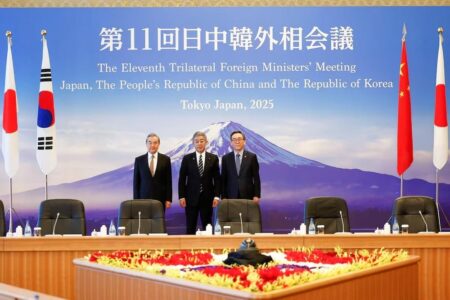
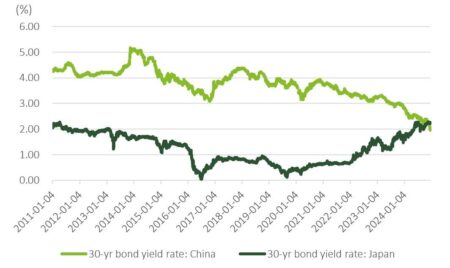
China, Japan, and South Korea are set to enhance free trade cooperation amid regional tensions. Leaders from the three nations aim to reduce tariffs and streamline trade regulations, fostering economic growth and stability in East Asia.
Amid global uncertainties over Trump's trade threats, India could strategically implement reciprocal tariffs. This move could enhance domestic industries, protect local jobs, and encourage global trade negotiations, positioning India as a resilient economic player.
In a strategic move, China, South Korea, and Japan have agreed to enhance their trade relations amid ongoing U.S. tariffs imposed during the Trump administration. This collaboration aims to bolster economic stability and counteract the impacts of protectionist policies.
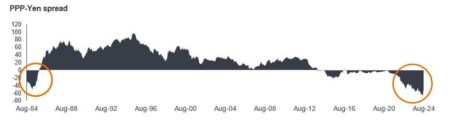
In a recent statement, a Japanese lawmaker highlighted concerns over the yen's undervaluation, indicating potential measures to counter capital outflows. This move underscores the government's intent to stabilize the currency and foster economic resilience amid global market fluctuations.
China's economy tsar has extended an invitation to the EU's trade chief to collaborate in countering rising tariff threats. This move underscores the growing concern over trade tensions and the importance of strengthening economic ties between the two regions.
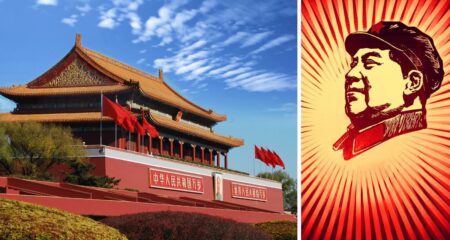
In a bid to strengthen China's global standing amidst escalating trade tensions with the U.S., President Xi Jinping urged top executives to champion the nation's role in upholding an international order based on cooperation and mutual respect.
In the face of growing U.S. tariffs under Trump, Germany's export-driven economy faces uncertainty. As trade tensions escalate, German manufacturers express concern over potential impacts on their competitive advantage in the global market.
Indian stock markets closed lower in the final session of the fiscal year, influenced by concerns over potential U.S. tariffs. Investors remained cautious as trade tensions continued to weigh on market sentiment, prompting a decline in key indices.
As the deadline for President Trump's tariffs approaches, trade talks between the U.S. and India are intensifying. Both nations aim to address key trade issues, seeking to enhance economic ties while navigating mounting tensions and tariffs.
Nvidia faces regulatory challenges in China as the government enforces stricter energy regulations for chip production. This setback could impact the tech giant's operations in a key market, potentially affecting its supply chain and competitiveness.
Japan has issued a warning regarding the potential "significant impact" of impending U.S. tariffs on its economy. Officials express concerns over disrupted trade relations, which could affect sectors ranging from manufacturing to agriculture, emphasizing the need for dialogue.
India is reportedly considering a significant reduction in tariffs on over half of its imports from the U.S. This move aims to bolster its export competitiveness amid ongoing trade tensions and is seen as a strategic effort to enhance bilateral economic ties.