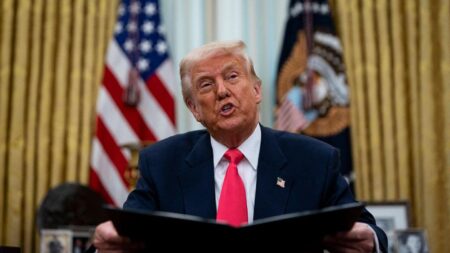
In a controversial statement, a Trump adviser claimed the existence of secret fentanyl labs in Canada to justify proposed tariffs. This allegation raises serious questions about the administration's approach to drug trafficking and international trade relations.

Browsing: international trade
Former Bank of Japan Governor Haruhiko Kuroda urged the government to address global perceptions that Japan is manipulating the yen. He emphasized that enhancing communication about monetary policy is crucial to dispel misunderstandings and maintain credibility.
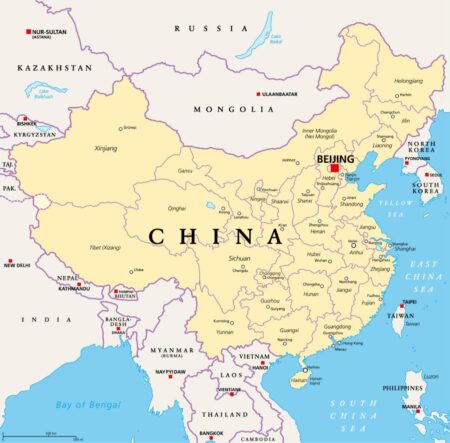
China has imposed new tariffs on Canadian agricultural products, escalating tensions between the two nations. This move marks a significant response to Canada's recent criticisms of China's domestic policies and trade practices, further straining bilateral relations.
In a striking shift, former President Trump has threatened new tariffs on Canadian lumber and dairy just one day after lifting duties on imports from Canada and Mexico. This move raises questions about trade relations and economic policy in North America.
Despite President Trump's decision to postpone tariffs on various imports from Canada for a month, Canada will maintain its own tariffs on U.S. goods. This development highlights ongoing trade tensions between the two nations as negotiations continue.
China has officially retaliated against the tariffs imposed by Donald Trump, escalating the trade war between the two economic giants. The move signals a long-term response to protect its markets and interests, as both nations gear up for prolonged negotiations.
The U.S. plans to hold a hearing to examine China's initiatives aimed at enhancing its semiconductor industry. This move highlights ongoing concerns over technological competition and national security as both nations seek dominance in critical tech sectors.
The UK has imposed a ban on meat and dairy imports from Hungary and Slovakia following the detection of foot-and-mouth disease in the region. This precautionary measure aims to protect the nation's livestock from potential outbreaks.
Former President Donald Trump has suggested potential tariffs on Canadian dairy and lumber products, warning that they may be imposed soon. This announcement signals a renewed focus on trade tensions between the U.S. and Canada.
China has announced its intention to "resolutely counter" U.S. tariffs, emphasizing a commitment to protect its economic interests amidst increasing trade tensions. The statement reflects ongoing struggles in bilateral relations and potential impacts on global markets.
Mark Carney, renowned for his crisis management, aims to steer Canada through the ongoing trade war. As he navigates economic uncertainties, his leadership is pivotal in shaping fiscal policy and bolstering national resilience against global market fluctuations.
In a recent statement, Donald Trump announced a temporary halt on imposing new tariffs, underscoring their strategic importance in trade negotiations. While he recognizes their potential economic impact, he emphasizes that tariffs remain a critical tool for policy leverage.
In response to escalating tensions in Trump’s trade war, Mexico, Canada, and China swiftly implemented new tariffs on U.S. goods. This retaliatory measure underscores the growing economic strain and uncertainty surrounding international trade relations.

As the US trade war intensifies, China is set to increase food imports from Latin America and Europe. This strategic shift aims to diversify its supply sources and strengthen economic ties, signaling a significant change in global trade dynamics.
Commerce Secretary Lutnick announced that the majority of tariffs on Canada and Mexico are likely to be postponed by one month. This delay aims to facilitate ongoing trade discussions and mitigate potential economic impact on both nations.
Lululemon's strategic sourcing and production practices position it to sidestep potential tariffs from Trump's trade policies, while Canada Goose, reliant on U.S.-manufactured materials, may face rising costs. The differing approaches highlight contrasting challenges in today's trade landscape.
Lindt has announced plans to supply chocolate to Canada from Europe, aiming to avoid tariffs that increased costs for importing goods. This strategic move underscores the company's efforts to maintain competitive pricing amid international trade challenges.
In a significant shift, key industry leaders express willingness to accept tariff reductions in negotiations with the US. This move is seen as a bid to enhance trade relations and stimulate economic growth, amid ongoing discussions to resolve trade tensions.
As U.S. tariffs on various imports take effect, Mexico, Canada, and China respond with retaliatory measures, targeting American goods. This escalation raises concerns over escalating trade tensions and potential impacts on the global economy.
Canada has stated it will not eliminate its tariffs unless the United States removes all levies, according to a government official. This stance underscores ongoing trade tensions and highlights the complexities of bilateral negotiations.