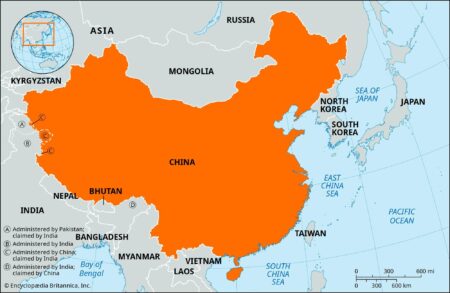
The Chinese Embassy in India has urged both nations to unite against U.S. tariffs, emphasizing the need for collaboration in facing economic challenges. This call for solidarity comes amidst escalating trade tensions between the U.S. and China.
Browsing: market impact
As the US-China tariff war escalates, iPhones, Shein apparel, and toys emerge as top-traded items facing potential price hikes. Analysts warn that increased tariffs could burden consumers, reshaping spending habits and impacting the retail landscape.
In a striking turn of events, Trump’s latest policies have intensified tensions between the U.S. and China, driving both nations closer to a potential economic decoupling. Analysts warn that this rift could reshape global trade dynamics for years to come.
In a bold economic maneuver, President Trump has initiated sweeping tariffs against China, igniting a trade conflict with implications that could reverberate throughout the global market. Analysts warn this battle may stretch U.S. resources thin, challenging American competitiveness.
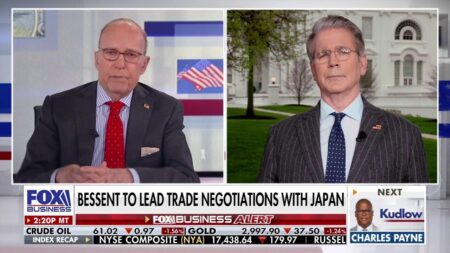
In a recent statement, Treasury Secretary Bessent criticized China’s recent aggressive actions, labeling them a “big mistake.” He emphasized that the country is operating from a “losing hand,” signaling potential economic repercussions amid rising tensions.
India has imposed new tariffs affecting several sectors, prompting concerns among trade partners. While some nations face repercussions, others brace for retaliatory measures, creating a complex landscape in international trade relations. Stakeholders are watching closely.
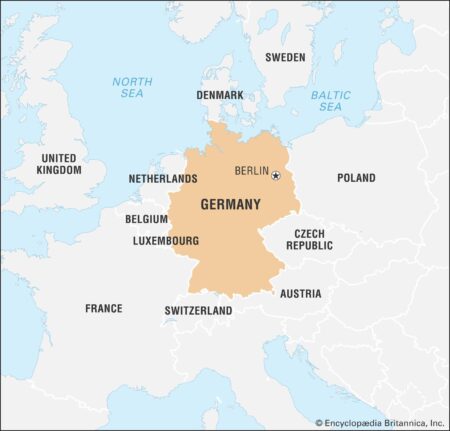
Germany and France are advocating for a stronger tariff response to protect their industries from global market fluctuations. Their push reflects growing concerns over international trade practices, aiming to bolster domestic economies amid rising competition.
Nvidia faces regulatory challenges in China as the government enforces stricter energy regulations for chip production. This setback could impact the tech giant’s operations in a key market, potentially affecting its supply chain and competitiveness.
India is reportedly considering a significant reduction in tariffs on over half of its imports from the U.S. This move aims to bolster its export competitiveness amid ongoing trade tensions and is seen as a strategic effort to enhance bilateral economic ties.
In a recent address, former President Donald Trump highlighted April 2 as “Liberation Day,” signaling the launch of a new round of tariffs. This announcement comes amidst ongoing trade tensions and aims to reshape economic strategies. Live updates will follow.
As tariff negotiations persist, Canada is positioning itself as a formidable economic player, emphasizing resilience and strategic planning. Officials signal a commitment to long-term trade stability, hinting at a wait-and-see approach in resolving disputes.
Canada and the European Union have announced retaliatory tariffs in response to recent U.S. trade policies, further escalating tensions in the ongoing trade war initiated by the Trump administration. The new tariffs target key industries, highlighting global trade frictions.
In response to recent U.S. tariffs, Canada has announced $29.8 billion in counter-tariffs targeting key American goods. This escalation in trade tensions underscores ongoing disputes and aims to protect Canadian industries amidst rising economic pressures.
In a recent statement, the U.S. criticized Japan’s staggering 700% tariff on rice imports, suggesting potential repercussions. This move highlights ongoing trade tensions between the two nations and raises questions about agricultural policy negotiations.
Former RBI Deputy Governor has suggested that Trump’s tariffs on India could offer unexpected opportunities for local industries to strengthen and innovate. The measures, while challenging in the short term, may ultimately lead to greater self-reliance.
In a striking shift, former President Trump has threatened new tariffs on Canadian lumber and dairy just one day after lifting duties on imports from Canada and Mexico. This move raises questions about trade relations and economic policy in North America.
Germany’s recent fiscal stimulus, termed a “spending bazooka,” is reshaping Eurozone dynamics, propelling the euro and increasing borrowing costs. This shift underscores the impact of national policies on broader European economic stability and inflation concerns.
China has announced the implementation of additional tariffs ranging from 10% to 15% on a variety of U.S. farm products, a move expected to escalate trade tensions between the two nations. The tariffs target key agricultural exports, impacting both economies.
In a recent commentary, CNBC’s Lutnick suggested that President Trump may announce a reduction of tariffs on Canada and Mexico as early as Wednesday. This potential shift could reshape trade relations and impact key industries in both nations.
As the Trump administration implemented tariffs, numerous Canadian companies found themselves heavily dependent on American sales to mitigate the impact. This article explores the top 10 Canadian firms navigating this complex trade landscape, revealing their strategies and challenges.