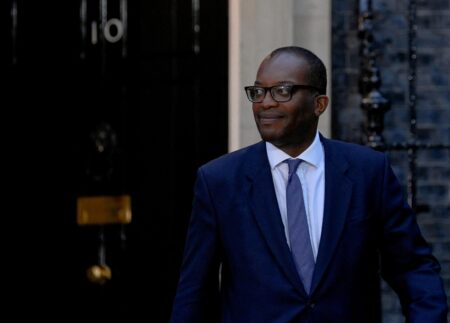
Spain has just secured a game-changing deal with NATO ahead of the upcoming summit, earning a crucial exemption from the 5% defense spending target. This breakthrough highlights the fierce negotiations over member contributions and budget priorities
Spain has just secured a game-changing deal with NATO ahead of the upcoming summit, earning a crucial exemption from the 5% defense spending target. This breakthrough highlights the fierce negotiations over member contributions and budget priorities
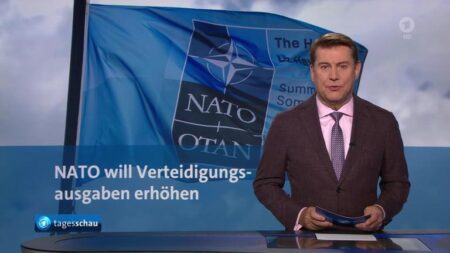
NATO countries have pledged to ramp up their defense spending to 5% of GDP, marking a bold move to strengthen collective security amid rising geopolitical tensions, officials confirmed
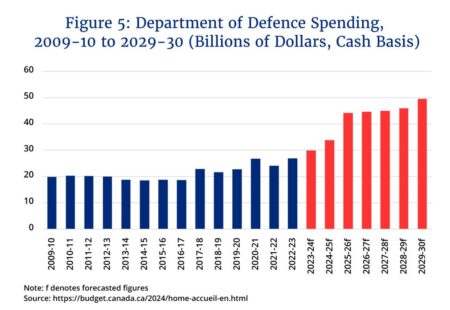
Canada has announced an ambitious surge in defence spending to meet NATO targets, all while navigating ongoing tariff tensions. Finance Minister Carney emphasized this bold commitment as a powerful promise to strengthen alliance ties and safeguard economic stability
Spain is challenging NATO's 5% defense spending target, emphasizing its economic hurdles and dedication to vital social programs. As discussions heat up within the alliance, Madrid urges for more flexibility, reports EL PA�S English
Canada is making a powerful move, pledging billions in new defense funding to meet NATO's 2% GDP target. Finance Minister Mark Carney announced this bold commitment aimed at strengthening national security amid rising global tensions
Defence spending is a matter of Australia's sovereign right, Deputy Prime Minister Richard Marles declared, firmly rejecting pressure from the US. He emphasized that decisions on national security priorities and budgets are made independently, reflecting Australia's own interests
The US has urged Australia to ramp up its defence spending by $40 billion annually "as soon as possible," highlighting escalating regional security concerns, the Australian Broadcasting Corporation reports
Italy is gearing up for a significant shift in NATO's defense spending goals, with expectations that the target will rise to between 3.5% and 5% of GDP. This change comes in response to the growing security challenges facing Europe today. The move is designed to enhance the military capabilities of member states as they navigate an increasingly complex geopolitical landscape
Italy's recent boost in defense spending has ignited a lively debate across the nation. Government officials emphasize the urgent need for stronger military capabilities in light of rising regional tensions, while critics passionately contend that these funds would be better spent addressing critical social issues that affect everyday citizens.
UK Finance Minister Jeremy Hunt is set to advocate for enhanced defense spending cooperation at an upcoming EU meeting, emphasizing the need for collective security amid global uncertainties. His remarks aim to foster unity in defense initiatives across Europe.
Germany's upper house has approved a landmark defense spending bill, signaling a significant shift in the country's military policy. The move reflects heightened security concerns and commitment to NATO obligations, boosting defense budgets amid global tensions.
Germany's parliament has passed a landmark package aimed at significantly increasing defense spending. This move is intended to bolster military capabilities and respond to shifting security dynamics in Europe, reflecting a commitment to NATO obligations.
In a significant political shift, German leader Friedrich Merz has secured the support of the Green party for an increase in defense spending. This bolsters Germany's military commitments and reflects heightened geopolitical tensions amid calls for a more proactive defense strategy.
Germany's Friedrich Merz is engaged in challenging negotiations aimed at increasing the nation's defense budget. As international security concerns rise, the discussions reflect the balancing act between fiscal restraint and military readiness.
Britain is increasing its defense budget while simultaneously reducing foreign aid, a move reflecting heightened security priorities. This strategy comes ahead of Prime Minister Starmer’s pivotal discussions with President Trump, set to shape future diplomatic relations.
The U.K. government has announced plans to increase defense spending amid rising global tensions, while simultaneously cutting foreign aid budgets. This shift reflects a prioritization of national security over international development efforts.