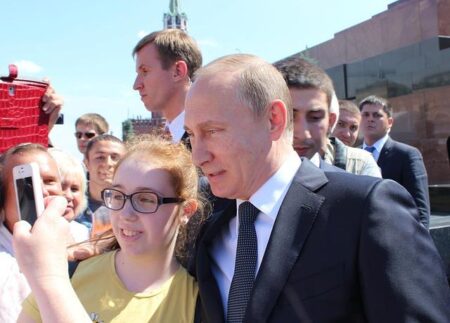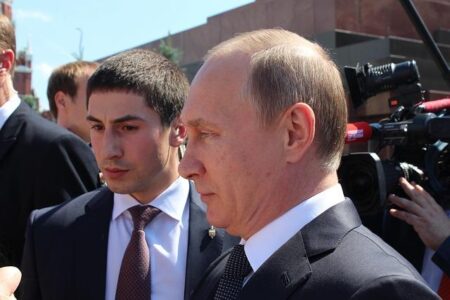
In a striking revelation that has captured the attention of intelligence experts and policymakers alike, the U.K.’s largest espionage trial has laid bare the Kremlin’s covert operations and strategic manipulation in wartime Europe. The trial, which centers on the activities of individuals allegedly employed by Russian intelligence agencies, highlights a sophisticated web of espionage tactics that underscore Moscow’s attempts to undermine Western stability amidst ongoing geopolitical tensions. As the conflict in ukraine continues to reshape the landscape of european security,this case provides a crucial window into the murky world of state-sponsored spying,revealing not only the methods employed by Putin’s operatives but also the broader implications for international relations as the continent grapples with the specter of hybrid warfare. In this article, we delve into the key findings from the trial, exploring how these insights reflect the Kremlin’s enduring commitment to espionage in pursuit of its strategic objectives.
Browsing: military strategy
The Russian government has escalated its information warfare against Ukraine, according to the Foreign Intelligence Service of Ukraine. This intensified campaign aims to undermine Ukrainian morale and spread disinformation amid the ongoing conflict.
China's military has initiated live-fire exercises near Taiwan, marking a significant escalation in its ongoing blockade drills. This move raises tensions in the region, prompting concerns over the potential for increased confrontations in the Taiwan Strait.
In a recent announcement, Hegseth outlined plans for significant upgrades to U.S. military command facilities in Japan. This strategic move aims to bolster deterrence against increasing Chinese military activities in the region, enhancing readiness and cooperation with allies.
Australia’s donation of M1 Abrams main battle tanks to Ukraine may face delays as logistical challenges arise in Poland. The tanks, intended to bolster Ukraine’s defense, could remain in transit longer than planned, raising concerns about operational readiness.
Russia and China are capitalizing on Canada’s perceived negligence in the Arctic, expanding their territorial ambitions and influence in the region. With climate change opening new waterways, the stakes for national security and resource access are rising.
Australia has been officially briefed on the U.K.-Italy-Japan Next-Gen Fighter Program, known as AVALON. This collaboration aims to enhance international defense capabilities, focusing on advanced technology to improve air superiority in future conflicts.
In a controversial statement, intelligence chiefs from Poland and Germany have allegedly suggested extreme measures regarding Ukraine. Their remarks have sparked widespread outrage and concern over regional stability, raising questions about their commitment to Ukraine's sovereignty.
SecDef Hegseth's upcoming visit to Japan necessitates a clear strategic agenda. Focus areas should include strengthening alliances, addressing regional security challenges, and enhancing military cooperation to deter threats from North Korea and China.
Japan's ambitious missile defense plans are encountering significant obstacles, both domestically and with the United States. These challenges raise questions about the future of Japan's military posture and its reliance on U.S. technology and support.
Despite ongoing geopolitical tensions, Russian President Vladimir Putin is signaling a willingness to enhance Arctic cooperation. He emphasizes the region's strategic importance for trade and resource development, seeking collaborative efforts amidst global rivalries.
In a shocking revelation, former President Trump’s top officials reportedly shared confidential war plans in a chat that included a journalist. This breach raises significant concerns about national security and the integrity of sensitive government communications.
In a strategic assessment of the ongoing conflict, Al Jazeera English reports that Vladimir Putin may achieve his objectives in Ukraine amidst shifting dynamics. With international responses evolving, the implications for the region remain critical and far-reaching.
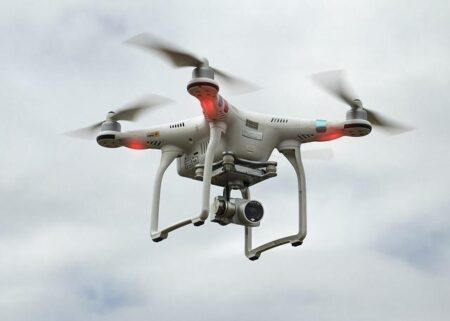
Drones targeting Russia's energy infrastructure have raised alarms in Moscow, prompting calls for urgent countermeasures. The attacks pose significant threats to energy security, reflecting heightened tensions in the ongoing conflict.
On March 18, 2025, the Institute for the Study of War released its latest Russian Offensive Campaign Assessment, highlighting intensified military operations in Ukraine. Analysts emphasize strategic shifts and increased troop deployments as Moscow seeks to regain territorial control.
Germany is pursuing constitutional amendments to bolster its military readiness amid growing security concerns. This move reflects a shift in defense policy, aiming to enhance the nation’s operational capabilities in response to evolving global threats.
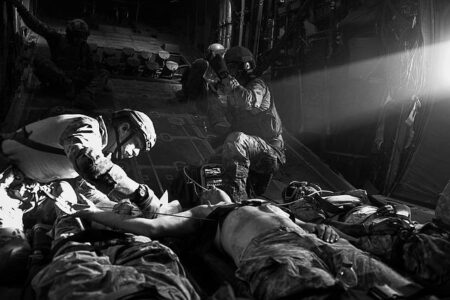
In a staggering escalation of conflict, recent reports indicate that approximately 100,000 Russian soldiers have been killed or severely wounded within just three months. However, analysts caution that this significant toll may not substantially alter Ukraine's chances of victory in the ongoing war.
Chinese warships have recently circumnavigated Australia, prompting security concerns among Australian officials. The naval maneuvers, viewed as a show of power, leave the nation feeling vulnerable and raise questions about regional stability and military preparedness.
Ukrainian President Volodymyr Zelenskyy has appointed a new chief of the general staff of the armed forces amid ongoing tensions in the region. This strategic move underscores Kyiv's commitment to bolstering military leadership as the war continues.
Russia has intensified its hybrid warfare tactics against Italy, employing disinformation campaigns and cyber attacks to undermine stability and influence public opinion. Experts warn that these actions aim to destabilize Italy's political landscape amid ongoing geopolitical tensions.