

Asia-Pacific markets opened mixed following the decision of both China and the U.S. to maintain steady interest rates. Investors are closely monitoring economic indicators and global trends as they navigate uncertainties in the financial landscape.
Asia-Pacific markets opened mixed following the decision of both China and the U.S. to maintain steady interest rates. Investors are closely monitoring economic indicators and global trends as they navigate uncertainties in the financial landscape.

Argentina’s economy is poised for continued growth as negotiations for a new accord with the IMF progress. This potential agreement aims to stabilize economic conditions, fostering investor confidence and addressing ongoing challenges in the nation’s financial landscape.

Japan’s bond yields are rising as investors closely watch for the Bank of Japan’s (BoJ) next policy decision. The shift reflects growing expectations of tighter monetary policy amidst global inflation pressures, signaling potential changes in Japan’s economic landscape.

The OECD warns that the Bank of Canada may have to raise interest rates by up to 1.25% in the event of a full-blown tariff war. This increase aims to combat inflationary pressures stemming from heightened trade tensions, impacting economic stability.

Germany, facing an economic downturn, is set to relax its strict debt brake rules, potentially allowing for increased government spending. This shift aims to stimulate growth and address pressing social and infrastructure needs amidst rising geopolitical tensions.
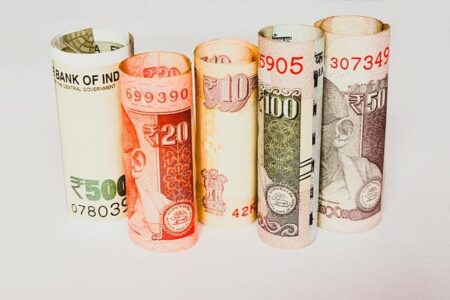
As the Federal Reserve prepares to announce its latest policy decision, analysts predict significant implications for the Indian rupee and bond markets. Investors will closely monitor Fed commentary for cues on interest rates and economic outlook, impacting currency stability.

Germany may be heading toward recession if U.S. tariffs remain in place, warns the Bundesbank chief. The potential trade barriers could significantly impact the German economy, underscoring the vulnerabilities in its export-driven model.

The UK economy showed signs of stagnation in January, highlighting the growing challenges for Shadow Chancellor Rachel Reeves. This downturn raises critical questions about the government’s economic strategy and its impact on future growth.

Brazil’s economy is projected to grow by 3.4% in 2024, driven by robust domestic demand. However, recent indicators of year-end weakness suggest that further interest rate hikes may be limited, prompting analysts to reassess monetary policy outlooks.

Argentina’s monthly inflation rate saw a slight uptick in February, aligning with analysts’ expectations. The increase reflects ongoing economic challenges, including rising prices in essential goods, as the country continues to navigate its financial recovery.

As Germany embraces expansive fiscal policies to stimulate its economy, questions arise about the implications for the Eurozone. Will its robust spending capacity create tensions among member states or lead to a stronger, more unified Europe?

Germany may face a recession due to potential U.S. tariffs, warns Bundesbank chief. The trade barriers could impact the country’s export-driven economy, raising concerns over growth prospects and prompting calls for policy adjustments.

Japan’s 10-year government bond yield has reached its highest level since 2008, driven by investor speculation regarding potential interest rate hikes by the Bank of Japan. This shift marks a significant change in the country’s longstanding monetary policy stance.

The Bundesbank has acknowledged that increased German spending is justified in the current economic climate, yet it cautions that such measures alone will not resolve deeper structural issues. Experts urge a balanced approach to ensure sustainable growth.

Former Bank of Japan Governor Haruhiko Kuroda urged the government to address global perceptions that Japan is manipulating the yen. He emphasized that enhancing communication about monetary policy is crucial to dispel misunderstandings and maintain credibility.

Mark Carney, renowned for his crisis management, aims to steer Canada through the ongoing trade war. As he navigates economic uncertainties, his leadership is pivotal in shaping fiscal policy and bolstering national resilience against global market fluctuations.

Germany’s recent fiscal stimulus, termed a “spending bazooka,” is reshaping Eurozone dynamics, propelling the euro and increasing borrowing costs. This shift underscores the impact of national policies on broader European economic stability and inflation concerns.

Argentina’s economic analysts are expressing renewed optimism regarding inflation and growth projections for 2025. Recent assessments indicate a potential stabilization in the economy, suggesting improving conditions following years of volatility.

Japan’s Nikkei index fell to a four-month low, driven by concerns over the U.S. economic outlook and a strengthening yen. Investors are wary of potential impacts on export competitiveness, prompting a cautious approach in the market.
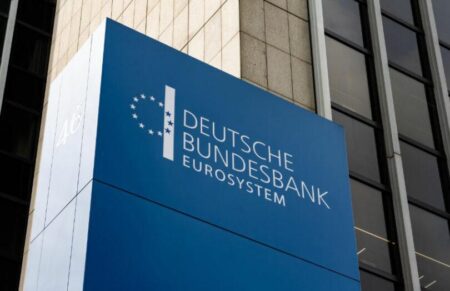
In a concerning indication of economic strain, the German Central Bank reported significant losses, highlighting challenges ahead for Europe’s largest economy. Analysts warn this trend may reflect deeper issues, raising alarms about Germany’s financial stability.