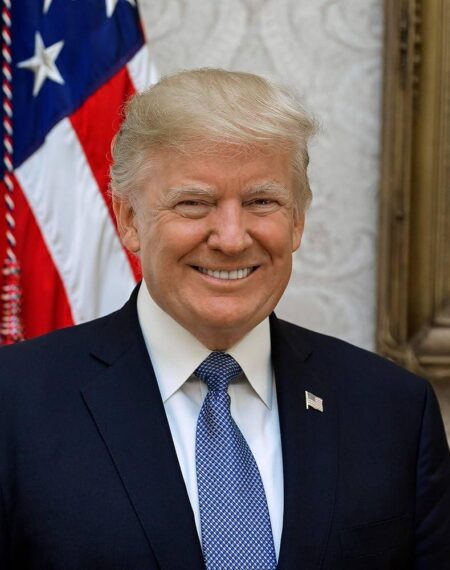
In a recent social media post, former President Trump took a jab at France’s World War II celebrations, suggesting that he might be feeling a twinge of jealousy over their grand commemorative events. Critics argue that his comments reveal deeper tensions related to his own legacy and the state of international relations
Browsing: nationalism
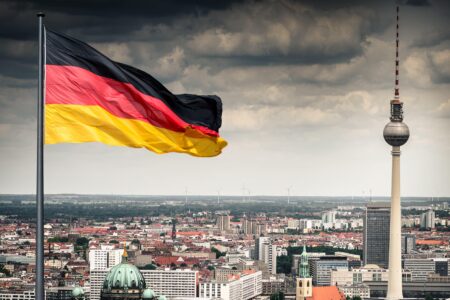
A self-styled “king of Germany” has been apprehended in a dramatic twist, following a daring scheme to topple the government. Law enforcement officials swooped in, detaining him along with several accomplices, raising alarm bells about the rising tide of extremist movements within the nation. As investigations unfold, more shocking details are expected to emerge.
Former President Donald Trump made a memorable visit to Al Udeid Air Base in Qatar, where he was greeted with an uplifting live rendition of “God Bless the USA.” This visit highlights his ongoing commitment to connecting with military personnel while seeking to bolster international support.
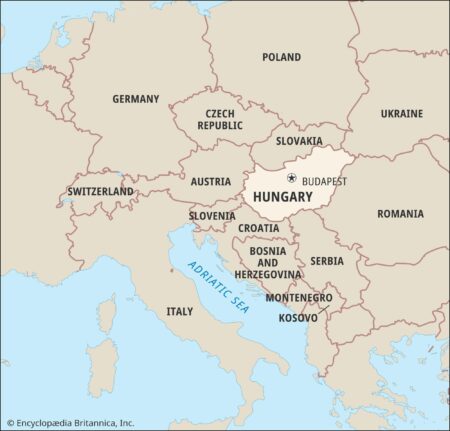
Hungary has boldly declared its intention to maintain strong ties with China, standing firm even in the face of potential pressure from U.S. leaders, including Trump. This resolute stance highlights Hungary’s dedication to nurturing its strategic partnerships and safeguarding its economic interests amidst escalating geopolitical tensions.
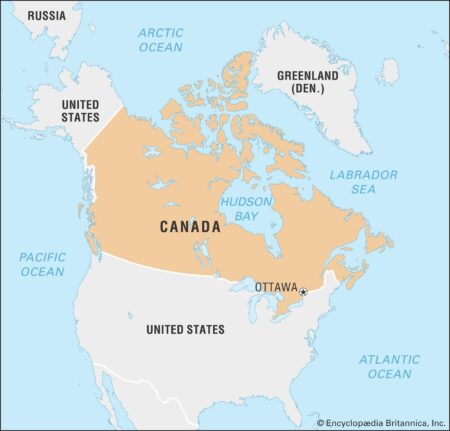
Alberta separatists are voicing their frustrations over what they see as economic injustices and federal policies that seem to favor other provinces. Their discontent is fueled by ongoing debates about resource management, igniting a passionate call for greater autonomy and self-determination within Canada.
India has boldly dismissed China’s recent move to rename several locations in Arunachal Pradesh, a region steeped in border disputes. New Delhi firmly asserted that this area is an inseparable part of India, strengthening its stance amidst the rising tensions between the two nations.
Germany has taken a bold stand by banning a far-right group linked to the extremist Reich Citizens movement, highlighting serious concerns for democracy and public safety. This decisive action reflects the government’s unwavering dedication to fighting against extremist ideologies that threaten the fabric of society
In a bold statement, Indian Prime Minister Narendra Modi declared that India has only “paused” its military operations against Pakistan, underscoring the nation’s readiness for any potential escalation. This announcement sends ripples of concern about the future dynamics in the region.
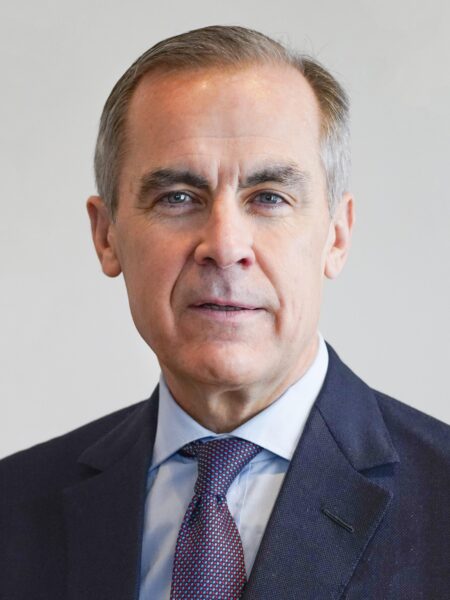
In a spirited rebuttal to former President Trump’s playful notion that Canada might thrive as the 51st US state, former Bank of Canada governor Mark Carney emphatically stated, “Canada is not for sale, ever.” Carney’s bold declaration highlights the unwavering sovereignty of the nation in the face of shifting geopolitical conversations
In a powerful victory speech, former Bank of England Governor Mark Carney delivered a compelling message to Canadians, declaring, “Trump is trying to break us.” He passionately underscored the importance of standing together and fostering resilience as we confront external challenges that jeopardize our national unity.
As Brazil’s far-right navigates a turbulent landscape marked by internal rifts and recent electoral setbacks, a pressing question arises: Who will step up to fill the void left by Jair Bolsonaro? With political tensions escalating, this movement stands at a pivotal crossroads as it prepares for the high-stakes 2024 elections.
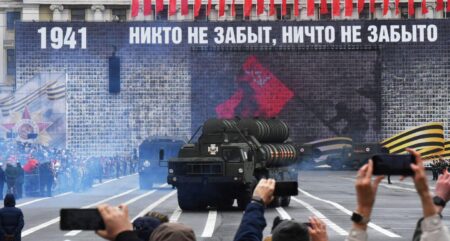
Russia is harnessing the powerful legacy of the Soviet Union’s victory over Nazi Germany to ignite a sense of national pride and unity. Through vibrant commemorative events and stirring rhetoric from the Kremlin, a compelling narrative of resilience and strength is being crafted, especially in light of today’s geopolitical challenges.
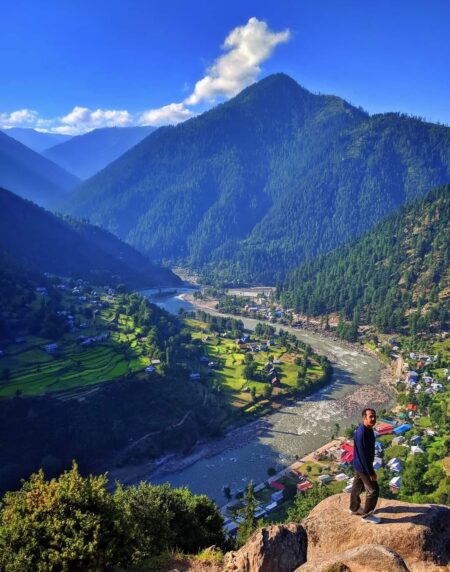
Residents in Pakistani-administered Kashmir are increasingly on edge as fears of a military escalation with India loom large. Following a series of recent border clashes, the atmosphere is thick with anxiety, as locals worry they could be the first to bear the brunt of any renewed conflict. This growing unease has intensified their sense of vulnerability, leaving many to wonder what the future holds.
Japanese Evangelicalism, once deeply rooted in nationalistic fervor, is now embarking on an exciting journey of transformation as it redefines its identity. This evolution mirrors a significant shift within Japanese society, as it gradually moves away from its historical ties to nationalism and embraces a more inclusive and welcoming perspective on faith.
A recent Al Jazeera article challenges the notion of Canada’s united front against Donald Trump, revealing a complex tapestry of political and societal divides within the nation. The article uncovers a spectrum of opinions that showcase both fervent support and vocal dissent among Canadians when it comes to U.S. policies.
The relationship between India and Pakistan is steeped in a rich tapestry of history, marked by conflict and rivalry. At the heart of this complex bond lie deep-seated territorial disputes and religious divides that have fueled animosity for decades. As both nations navigate the shifting landscape of global politics, the echoes of their tumultuous past resonate loudly, casting a long shadow over current tensions.
In a stirring sermon, a well-known Pakistani cleric took a bold stand against his government’s “tyrannical” policies, passionately denouncing any looming conflict with India. His thought-provoking remarks have ignited widespread conversation, shining a light on the increasing discontent surrounding government actions and international relations
In the vibrant city of Odesa, Ukraine, a passionate debate has erupted over the removal of symbols from Imperial Russia. Advocates see this as a bold move towards forging a stronger national identity, while critics contend that it threatens to erase the city’s rich cultural tapestry, further widening the rifts within the community.
In “A History Lesson in Germany: Avoiding a Return to the Worst Moments,” R. Bruce Anderson passionately highlights the vital need to remember Germany’s haunting past. He compellingly argues that grasping the lessons of historical atrocities is essential for ensuring they never happen again in our contemporary world.
Germany’s recent decision to label the far-right Alternative for Germany (AfD) party as an “extremist” group has ignited a wave of criticism from the United States. Detractors contend that this classification threatens the very essence of democratic dialogue, fueling fears of political repression and stifling diverse viewpoints