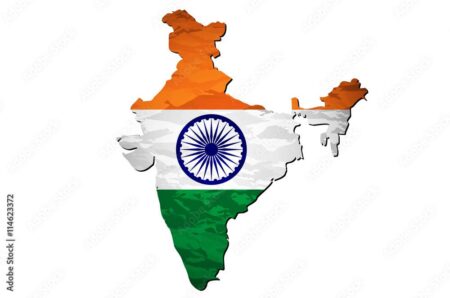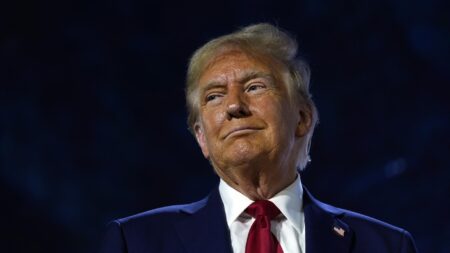
India’s response to Trump’s visit highlights strengthened defense ties, technology partnerships, and mutual economic interests. New Delhi balances regional security concerns while navigating the complexities of U.S.-India relations, emphasizing cooperation amid global uncertainties.
Browsing: political analysis
In a striking turn of events, Trump’s latest policies have intensified tensions between the U.S. and China, driving both nations closer to a potential economic decoupling. Analysts warn that this rift could reshape global trade dynamics for years to come.
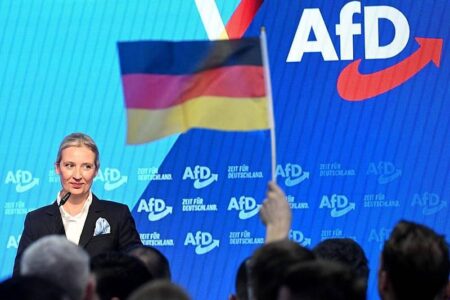
The Alternative for Germany (AfD) has surged to prominence, becoming the country’s most popular party amid rising concerns over immigration and economic instability. Analysts attribute this momentum to a growing discontent with traditional political parties and their handling of pressing issues.
The question of whether former President Trump has red lines regarding Russia remains unresolved, leaving experts divided. As tensions rise, analysts are scrutinizing past statements and policies to gauge Trump’s potential responses to future provocations.
In the wake of escalating trade tensions, former President Trump must remember the core issues that drove his election: American voters prioritize economic stability and affordable prices. A trade war could jeopardize those gains, alienating the very supporters he needs.
The Trump-era tariffs have disrupted Germany’s economic strategy towards China, particularly under the leadership of Friedrich Merz. As trade tensions escalate, Germany faces challenging decisions to adapt its export policies and maintain competitiveness.
President Trump’s recent tariffs have surpassed initial expectations, prompting significant economic implications. Key takeaways include heightened consumer prices, strained international relations, potential job losses in key sectors, and unpredictable market reactions.
In a notable turning point in French politics, Marine Le Pen, the controversial leader of the National Rally party, has…
Germany’s coalition talks have revealed significant divisions among the parties, particularly on issues such as climate policy and economic reforms. With negotiations underway, key disagreements may shape the future direction of the government.
In the ongoing tensions between Ukraine and Russia, both nations seem to engage in a strategic blame game reminiscent of political maneuvering seen in the Trump era. Each side points fingers, complicating peace negotiations as diplomatic efforts stall.
As Australia prepares for its next federal election, the process of selecting a prime minister will revolve around voter sentiment, party leadership contests, and key issues like climate change and the economy, shaping the nation’s political landscape for years to come.
In a recent analysis, Hungarian conservatives lament the economic disparity between a struggling European Union and a thriving United States. They highlight challenges like inflation and energy crises in Europe, contrasting them with America’s robust growth and innovation.
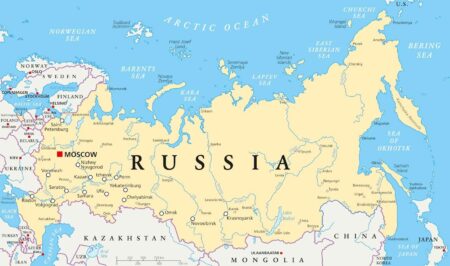
Russia’s strategic maneuvers in U.S.-led peace talks reveal a calculated approach that leverages disinformation and diplomatic feints, allowing it to shape narratives and gain concessions. This method not only undermines Western unity but also bolsters Moscow’s geopolitical influence.
A Yale professor has voiced alarm over America’s political climate, suggesting the nation is on the verge of a “fascist dictatorship.” Amid rising tensions, he plans to relocate to Canada, highlighting concerns over civil liberties and democratic institutions.
Despite ongoing geopolitical tensions, Russian President Vladimir Putin is signaling a willingness to enhance Arctic cooperation. He emphasizes the region’s strategic importance for trade and resource development, seeking collaborative efforts amidst global rivalries.
Denmark’s Social Democrats have successfully adapted to contemporary challenges by prioritizing pragmatic policies and robust welfare reforms. Their focus on economic responsibility coupled with social equity offers valuable lessons for Germany’s SPD in revitalizing its platform and appeal.
Ukrainian President Volodymyr Zelenskiy has accused Russia of manipulating diplomatic agreements facilitated by the United States, undermining efforts to reach a resolution in the ongoing conflict. This statement highlights ongoing tensions in the region.
In a defining moment for German politics, Gregor Gysi, the veteran leader of the Left Party, took center stage in the Bundestag, addressing pressing social issues amid rising economic concerns. His passionate speech highlighted the party’s commitment to social justice and equity.
France’s ambition for strategic autonomy faces setbacks as the U.S. reinstates tariffs on French alcoholic beverages, a move critics argue undermines European unity. This development threatens France’s economic interests and complicates transatlantic relations.
In a recent clash of ideals, former President Donald Trump appears to overshadow Argentine libertarian leader Javier Milei in the battle for right-wing populism. Analysts suggest Trump’s robust influence may shape global conservative narratives, potentially sidelining Milei’s unique agenda.