In Dickson, Peter Dutton’s election campaign took a nosedive, perfectly illustrating the Peter Principle—where leaders ascend only to reveal their shortcomings. A series of missteps and growing public discontent laid bare vulnerabilities that transformed once-loyal voter support into deep-seated skepticism, putting his political future in serious jeopardy.
Browsing: political parties
China has warmly congratulated Australia’s Labor Party on their recent electoral triumph. This friendly gesture hints at a promising shift in diplomatic relations, as both countries aim to strengthen their ties and move beyond previous tensions
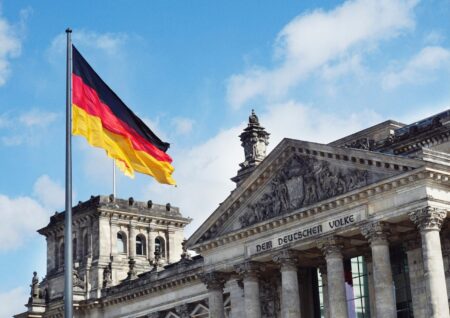
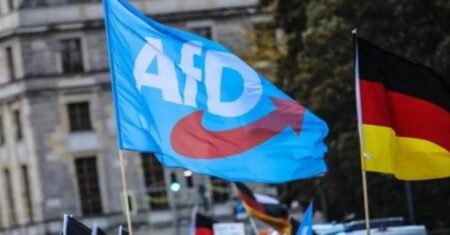
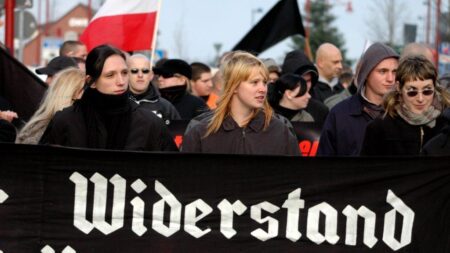
Germany’s domestic intelligence agency has officially designated the Alternative for Germany (AfD) party as a “confirmed rightwing extremist” group. This significant classification underscores escalating worries about the party’s sway and the increasing tide of extremist sentiments sweeping across the nation
In the recent Canadian elections, a remarkable one in six parliamentary seats changed hands, signaling a dramatic political shift. Voter turnout was impressively high as Canadians passionately expressed their views on critical issues, transforming the very fabric of the nation’s governance
Pierre Poilievre, the Opposition Leader in Canada, has unexpectedly lost his seat in Parliament, signaling a dramatic shift in the political landscape. This surprising turn of events leaves many wondering what lies ahead for the Conservative Party as it gears up for the next election.
In the 2025 Australian election, opposition leader Peter Dutton experienced a stunning defeat, largely due to his coalition’s unclear policies and growing public frustration over economic management. Analysts point out that his inability to connect with crucial voter demographics played a significant role in this outcome.
Germany’s recent decision to label the far-right Alternative for Germany (AfD) party as an “extremist” group has ignited a wave of criticism from the United States. Detractors contend that this classification threatens the very essence of democratic dialogue, fueling fears of political repression and stifling diverse viewpoints
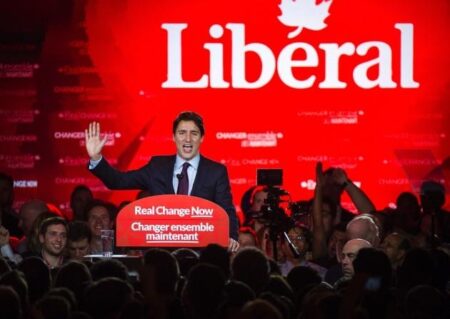
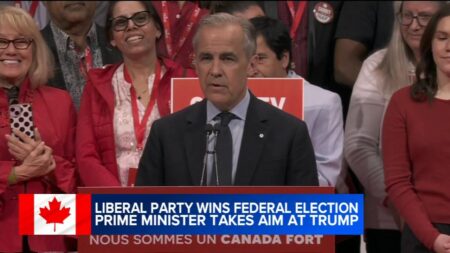
In a remarkable political twist, the Liberal Party of Canada has triumphed over a conservative leader whose rhetoric resonates with that of Donald Trump. This victory not only sets them apart from the challenges currently confronting American Democrats but also showcases innovative strategies that could potentially reshape U.S. political landscapes.
Germany’s far-right AfD party is under the spotlight as lawmakers engage in heated discussions about a possible ban. With worries mounting over its extremist rhetoric and growing influence, the government is considering legal measures that could dramatically alter the political landscape.
As Canadians gear up for their pivotal election, the spotlight is on pressing issues like climate change, healthcare, and economic recovery. Voters are set to cast their ballots, playing a crucial role in shaping the future of the nation. Stay tuned with NPR for all the latest updates!
Following the Liberal Party’s triumphant win in Canada, experts are buzzing with insights about its global ramifications. Analysts believe this victory is a powerful endorsement of progressive policies and a renewed focus on climate action, solidifying Canada’s position as a beacon of leadership in international diplomacy and collaboration.
Exciting new projections for the upcoming Canadian election reveal that Mark Carney’s Liberals are on track for a potential victory! Meanwhile, it seems that Donald Trump’s influence is creating headwinds for the Conservatives. Analysts point to evolving voter sentiments as a crucial factor in the Liberals’ strong positioning.
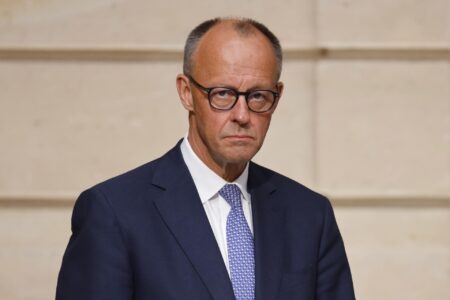
Germany’s upcoming chancellor, Friedrich Merz, is grappling with a rising tide of unpopularity as worries mount over his conservative policies and a disconnect with younger voters. Detractors suggest that his leadership approach may struggle to connect in an evolving political landscape, adding layers of complexity to his role.
In Canada’s French-language election debate, party leaders passionately confronted urgent issues such as climate change, healthcare, and immigration. As tensions escalated over economic policies, candidates launched pointed critiques at one another, underscoring the high stakes of this election for voters
Italy’s Giorgia Meloni exemplifies the challenges of moderating Europe’s far-right movements. Despite attempts to present a more palatable image, her government’s actions reveal the enduring appeal of nationalist rhetoric, threatening EU cohesion.
Germany’s Friedrich Merz is poised for election as chancellor on May 6, according to sources. His leadership marks a significant shift in the political landscape, as he aims to unify the party and address pressing national issues amid ongoing challenges.
In a significant political shift, a coalition deal in Germany has paved the way for Friedrich Merz, leader of the Christian Democratic Union, to ascend as Chancellor. The agreement marks a crucial moment for the CDU, reshaping Germany’s political landscape.
In a significant shift in German politics, the far-right Alternative for Germany (AfD) has topped the polls for the first time, posing a challenge to Chancellor-in-waiting Friedrich Merz. This development signals rising support for nationalist sentiments amid national debates.
In a strategic move ahead of the upcoming elections, Marine Le Pen is intensifying her rhetoric, aiming to leverage social divisions in France. Analysts warn that her approach may deepen societal rifts as she seeks to consolidate power for her party.
The Alternative for Germany (AfD) has surged to prominence, becoming the country’s most popular party amid rising concerns over immigration and economic instability. Analysts attribute this momentum to a growing discontent with traditional political parties and their handling of pressing issues.