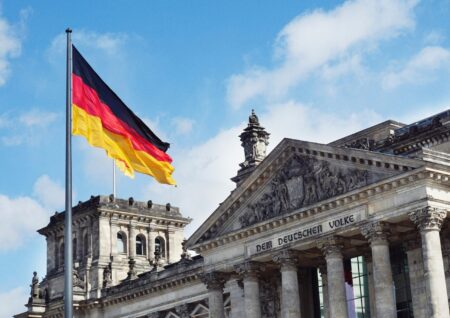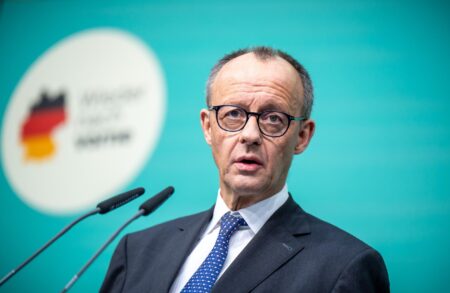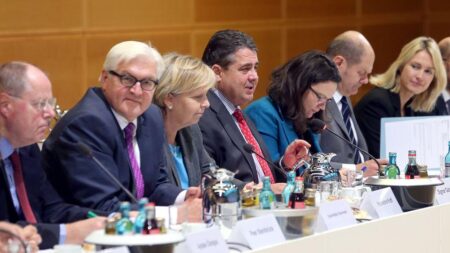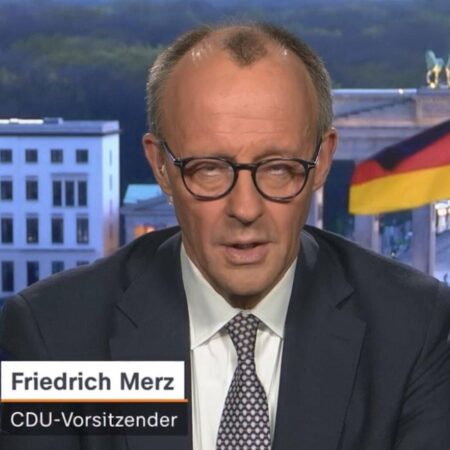
Following the recent coalition agreement, CDU leader Friedrich Merz announced that Germany is “back on track” to address pressing issues. The coalition aims to enhance economic stability and bolster unity amid ongoing challenges in the European landscape.
Browsing: political parties
The recent court verdict against Marine Le Pen has sparked outrage among far-right factions in France and beyond. Supporters claim the ruling exemplifies political bias, while critics view it as a critical step towards accountability for populist leaders.
France’s far-right leader Marine Le Pen faces significant legal challenges that could impact her political future. These issues include previous convictions and ongoing investigations, raising questions about her eligibility in upcoming elections.
Marine Le Pen’s recent ban from public office has intensified divisions within French society. Supporters view it as a crucial step against extremism, while opponents argue it undermines democratic discourse, deepening the nation’s political rift.
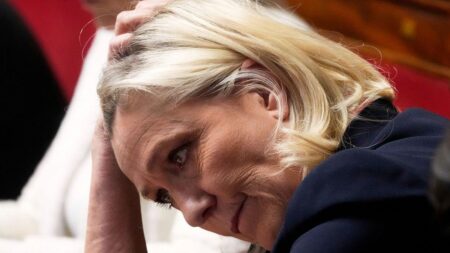
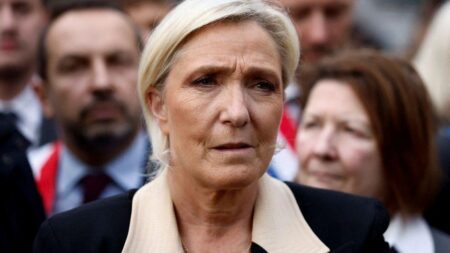
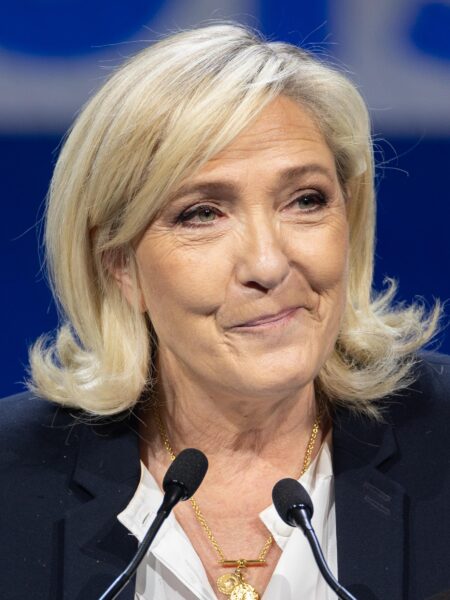
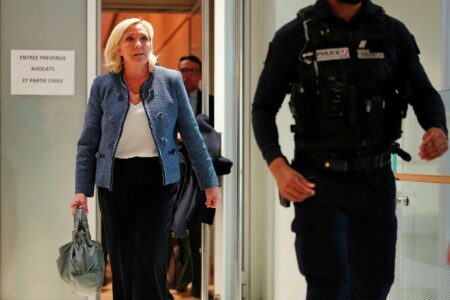
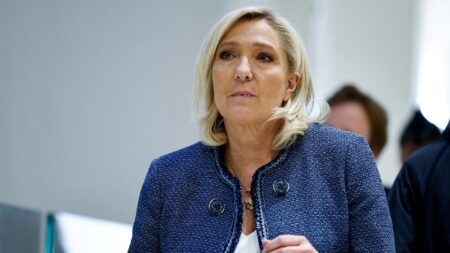
France’s Marine Le Pen has been barred from holding public office for five years following a conviction for embezzlement. The ruling underscores the ongoing scrutiny of political figures amidst allegations of financial misconduct, as reported by CNBC.
In a bold response to her recent barring from office, Marine Le Pen remains defiant, asserting that her political ambitions are undeterred. The ruling has sparked significant debate about political freedoms and the implications for France’s far-right movement.
Germany’s coalition talks have revealed significant divisions among the parties, particularly on issues such as climate policy and economic reforms. With negotiations underway, key disagreements may shape the future direction of the government.
In ongoing coalition talks, Germany’s Finance Minister Christian Lindner of the Free Democrats (FDP) seeks to bridge gaps between conservative leader Friedrich Merz and the Social Democratic Party (SPD). Key issues remain unresolved as negotiations progress.
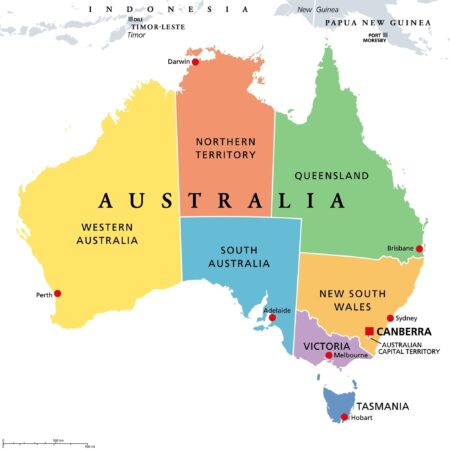
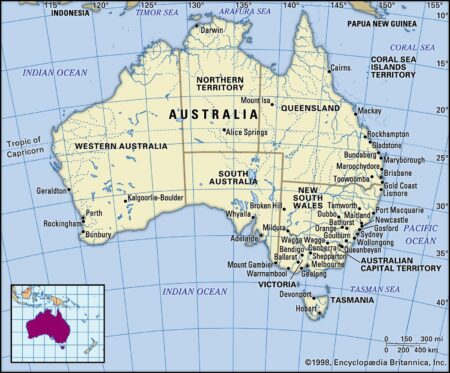
Australia is set to hold its federal election on May 3, 2024, as announced by the Prime Minister. Voters will choose representatives for the House of Representatives and the Senate, marking a pivotal moment in the nation’s political landscape.
As Australia prepares for its next federal election, the process of selecting a prime minister will revolve around voter sentiment, party leadership contests, and key issues like climate change and the economy, shaping the nation’s political landscape for years to come.
Australia is set to hold a critical election on May 3, with voters facing key issues such as climate policy, healthcare, and the economy. Candidates from major parties are gearing up to outline their visions for the nation’s future. Stay informed on the developments.
Denmark’s Social Democrats have successfully adapted to contemporary challenges by prioritizing pragmatic policies and robust welfare reforms. Their focus on economic responsibility coupled with social equity offers valuable lessons for Germany’s SPD in revitalizing its platform and appeal.
Donald Trump’s recent actions and rhetoric may be inadvertently bolstering liberal sentiments in Canada. His controversial policies and divisive statements are energizing progressive movements, creating a rallying point for Canadian liberals as they seek to differentiate their values from his administration.
German parties have reached a consensus to relax fiscal rules, enabling significant investments in military and economic reforms. This shift aims to fortify national defense and stimulate economic growth, reflecting a strategic response to emerging global challenges.
As Germany’s political landscape shifts rightward, experts from the Atlantic Council analyze the implications of the recent election results. They delve into how this trend could reshape Germany’s domestic policies and its role in the European Union.
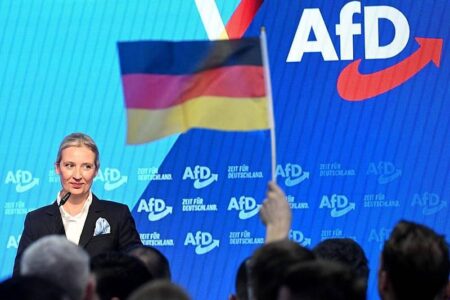
Germany’s far-right party, AfD, has doubled its vote share in recent elections, signaling a significant shift in the country’s political landscape. This surge raises concerns about the influence of extremism and poses challenges for traditional parties in maintaining stability.
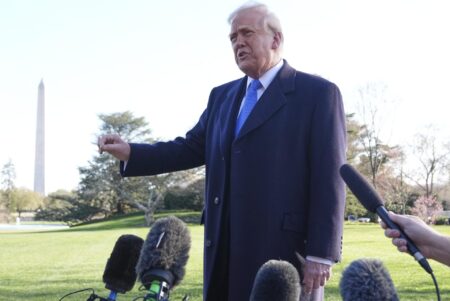
In the wake of Germany’s recent elections, the CDU/CSU and SPD are set to commence preliminary talks aimed at forming a potential coalition government. These discussions mark a crucial step in shaping the country’s political landscape following a tightly contested vote.
In a recent address, Germany’s Friedrich Merz criticized former President Donald Trump’s influence on U.S. politics, expressing concerns over rising populism. As he attempts to forge a coalition, Merz highlights the need for stable transatlantic relations amid global challenges.
Germany’s far-right AfD and the Left party have secured sufficient seats to impede amendments to the country’s debt brake, a fiscal rule that limits public borrowing. This development highlights the ongoing political divisions impacting budgetary reforms in Germany.
The recent German election has exposed deep-seated divisions within the country, as parties grapple with issues like immigration and climate policy. Analysts warn that these rifts could redefine German politics and challenge coalition stability moving forward.