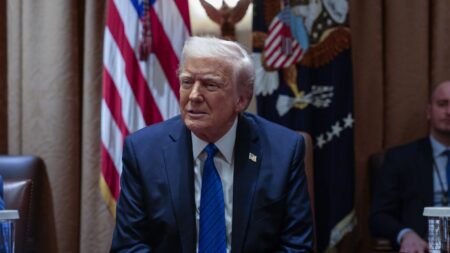
Former U.S. President Donald Trump has publicly endorsed France's far-right leader Marine Le Pen following her recent conviction in a defamation case. This support underscores Trump's continued alignment with nationalist movements in Europe as they seek electoral success.
Browsing: populism
In a recent statement, Brazil's former President Jair Bolsonaro criticized a ruling against French political leader Marine Le Pen, labeling it "judicial activism." His comments reflect ongoing debates over judicial independence and political influence in democratic societies.
Marine Le Pen's recent ban from public office has intensified divisions within French society. Supporters view it as a crucial step against extremism, while opponents argue it undermines democratic discourse, deepening the nation's political rift.
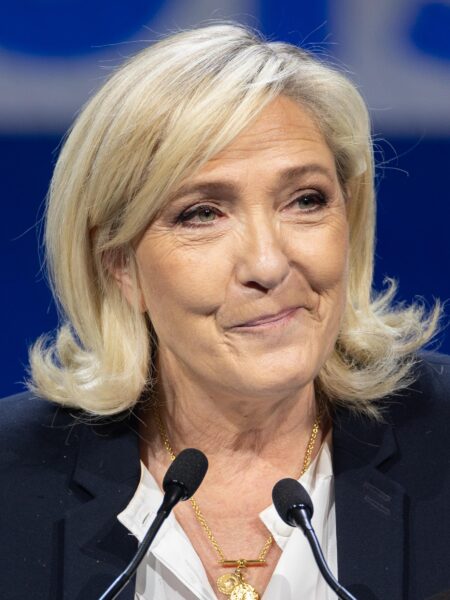
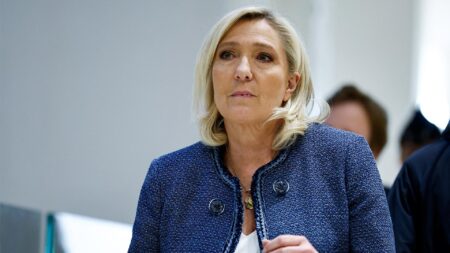
In a notable turning point in French politics, Marine Le Pen, the controversial leader of the National Rally party, has recently been convicted on charges of hate speech, a decision that could have far-reaching implications for her career and the future of the far-right movement in France. This ruling has ignited heated debate among political analysts and citizens alike, raising questions about the resilience of Le Pen’s political ambitions and the potential for a resurgence of far-right ideologies in a country grappling with social and economic challenges. As France stands on the precipice of a crucial electoral cycle, the repercussions of this conviction may not only shape Le Pen’s trajectory but also the broader landscape of French politics, prompting a closer examination of the evolving sentiments driving the rise of nationalist movements across Europe. In this article, we delve into the context of Le Pen’s conviction, its immediate effects, and the possibilities it presents for both her political future and the far-right’s stance in France.
Italy's Prime Minister Giorgia Meloni faces a delicate balancing act as she navigates her allegiance to former President Trump while maintaining her responsibilities to European unity. This dilemma highlights the complexities of national and international politics in a shifting landscape.
In a recent clash of ideals, former President Donald Trump appears to overshadow Argentine libertarian leader Javier Milei in the battle for right-wing populism. Analysts suggest Trump's robust influence may shape global conservative narratives, potentially sidelining Milei's unique agenda.
As Germany's political landscape shifts rightward, experts from the Atlantic Council analyze the implications of the recent election results. They delve into how this trend could reshape Germany’s domestic policies and its role in the European Union.
Far-right leaders converged in Spain, uniting under the banner of "Make Europe Great Again." This rally underscored the rising influence of nationalist movements across the continent, as participants advocated for strict immigration policies and national sovereignty.
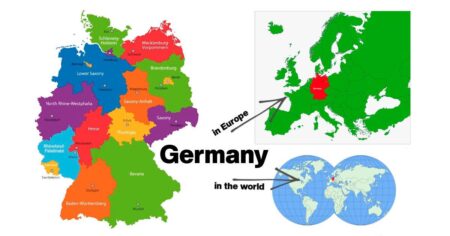
Germany's far-right party, AfD, has doubled its vote share in recent elections, signaling a significant shift in the country's political landscape. This surge raises concerns about the influence of extremism and poses challenges for traditional parties in maintaining stability.
In a recent address, Germany's Friedrich Merz criticized former President Donald Trump's influence on U.S. politics, expressing concerns over rising populism. As he attempts to forge a coalition, Merz highlights the need for stable transatlantic relations amid global challenges.
Sahra Wagenknecht, a prominent figure in German politics, has witnessed both meteoric rises and sharp declines. Once celebrated as a visionary leader of the left, her controversial stances and internal party conflicts have reshaped her trajectory, prompting discussions about the future of the political landscape in Germany.
In a striking turn of events, a far-right party in Germany has recorded unprecedented support in the recent elections, reflecting shifting political sentiments. Analysts are examining the implications for the nation's political landscape and societal cohesion.
In Germany, a new generation is shaping the far-right movement with brazen rhetoric and social media savvy. This youthful fervor is not only challenging traditional norms but also igniting debates about nationalism and identity in contemporary society.
Young voters in Germany are increasingly turning to the far-right Alternative for Germany (AfD) party, driven by concerns over immigration, economic instability, and climate change. This shift marks a significant change in the political landscape, challenging traditional parties.
In "Meet Germany’s Far-Right Leader, a Study in Contradictions," the New York Times explores the complex persona of the country’s right-wing figurehead. Examining his populist rhetoric alongside unexpected vulnerabilities, the article sheds light on the shifting political landscape in Germany.