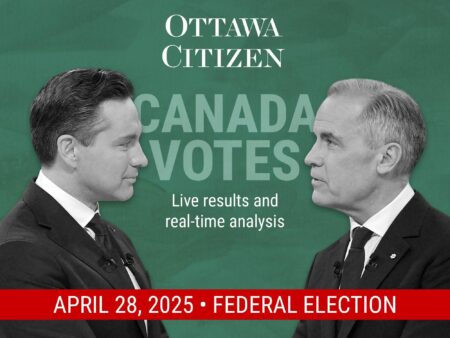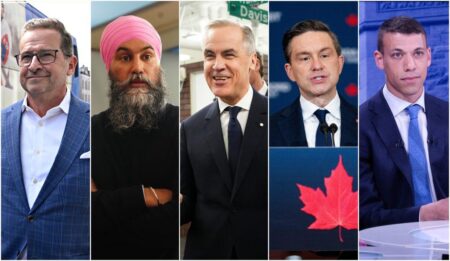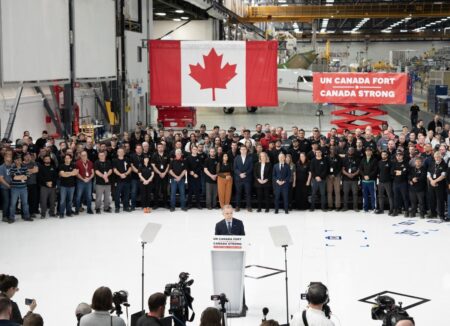
In a thrilling high-stakes television debate, Canada’s party leaders went head-to-head on crucial issues, showcasing their contrasting visions for healthcare, climate change, and the economy. As tensions rose and arguments heated up, voter engagement skyrocketed, marking a critical turning point in the election race where each leader aimed to capture the hearts and minds of the public.
Browsing: public opinion
With election day just around the corner, Carney’s Liberals are holding onto a slim lead in the polls, but the race is heating up with only six days to go. Voter sentiment is evolving rapidly, turning this contest into a thrilling showdown as parties intensify their campaigns across the country.
Australia’s opposition leader, Peter Dutton, is under fire as critics claim he’s adopting the controversial tactics and policies reminiscent of former U.S. President Donald Trump. With key elections on the horizon, analysts caution that this Trump-inspired strategy could drive away moderate voters and spark a significant backlash at the polls.
As tensions rise from Trump’s trade war, Chinese netizens are fighting back with a wave of humor and creativity. Armed with memes and sharp wit, they channel their frustrations into a vibrant tapestry of mockery that not only entertains but also underscores the cultural ramifications of this ongoing economic clash.
Australians are becoming more wary of the United States, as trust wanes in the wake of Trump’s tumultuous tariffs and contentious choices. This evolving sentiment highlights rising apprehensions about America’s dependability as a global partner.
As Canadians prepare to cast their votes, recent surveys unveil a dynamic shift in public sentiment regarding crucial issues. There’s an increasing focus on climate change and healthcare, signaling what could be a pivotal moment for voters. Analysts warn that these changing priorities may significantly alter the political landscape as we approach election day.
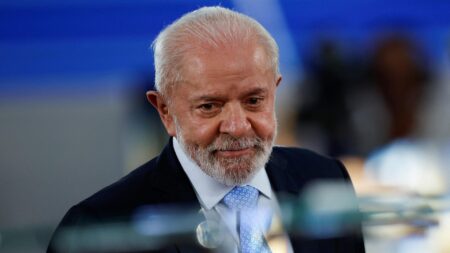
Once heralded as the world’s most popular politician, Brazilian President Luiz Inácio Lula da Silva is now grappling with a significant drop in approval ratings. Critics point to economic struggles and rising inflation as key factors in this decline.
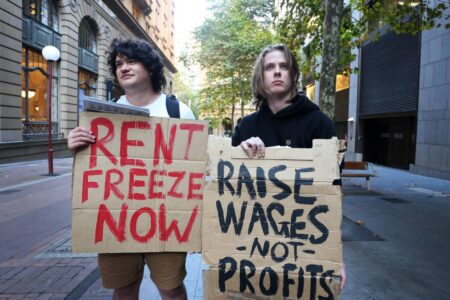
As Australians head to the polls, the housing crisis looms large, with many describing the situation as “pretty diabolical.” Voters express frustration over soaring prices and inadequate supply, urging candidates to prioritize affordable housing solutions.
Pierre Poilievre’s central appeal as a staunch fiscal conservative is now facing scrutiny, with critics arguing that his rigid stance on economic issues alienates moderate voters. This evolution could impact his campaign’s viability in upcoming elections.
In a significant shift in German politics, the far-right Alternative for Germany (AfD) has topped the polls for the first time, posing a challenge to Chancellor-in-waiting Friedrich Merz. This development signals rising support for nationalist sentiments amid national debates.
Jacinta Nampijinpa Price has pledged to “make Australia great again,” criticizing the media for what she perceives as an obsession with former President Trump. Her remarks come amid ongoing debates over national identity and governance within Australia.
Life in Shanghai, China’s bustling commercial hub, continues amid a backdrop of rising anti-US sentiment. As local businesses adapt to shifting geopolitical tensions, residents express growing frustrations over US policies, impacting social dynamics and commerce.
In a strategic move ahead of the upcoming elections, Marine Le Pen is intensifying her rhetoric, aiming to leverage social divisions in France. Analysts warn that her approach may deepen societal rifts as she seeks to consolidate power for her party.
In a rapidly evolving media landscape, diverse sources reinforce political divides, shaping perceptions and beliefs. The impact of tailored information on our psychology reveals how fragmented narratives contribute to polarization, challenging dialogue across divides.
The Alternative for Germany (AfD) has surged to prominence, becoming the country’s most popular party amid rising concerns over immigration and economic instability. Analysts attribute this momentum to a growing discontent with traditional political parties and their handling of pressing issues.
Recent surveys by the Pew Research Center reveal shifting American attitudes towards trade. While views on trade with Canada and Mexico remain largely positive, concerns about the U.S.-China trade relationship have intensified, reflecting broader economic anxieties.
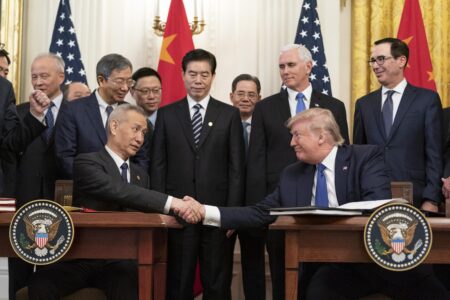
In the wake of escalating trade tensions, former President Trump must remember the core issues that drove his election: American voters prioritize economic stability and affordable prices. A trade war could jeopardize those gains, alienating the very supporters he needs.
Australia’s Prime Minister has seen a notable increase in approval ratings, fueled by public reaction to recent tariffs imposed by former President Trump. Analysts suggest the economic implications are swaying voters in favor of the PM’s policies.
Marine Le Pen’s recent ban from public office has intensified divisions within French society. Supporters view it as a crucial step against extremism, while opponents argue it undermines democratic discourse, deepening the nation’s political rift.
In PM Keir Starmer’s constituency, tensions have escalated amid rising pro-Palestine activism. As protests gain momentum, local community reactions reveal a divide, prompting discussions about free speech and political responsibility within the Labour party.